

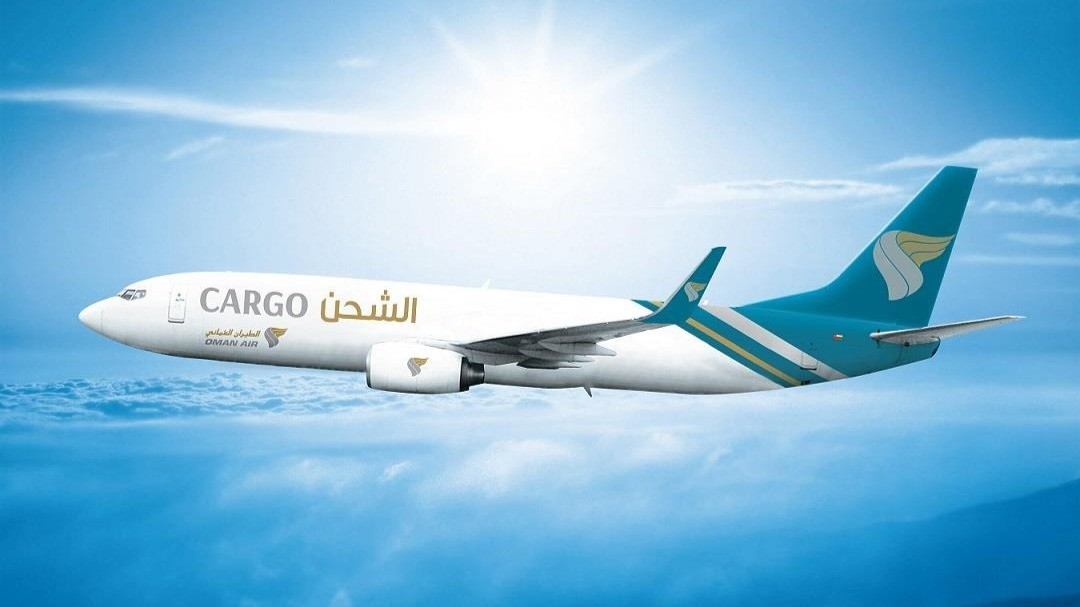
Air transport has become one of the most significant drivers of Oman’s economic growth. Beyond moving passengers and cargo, the sector fuels employment, stimulates trade, and strengthens the country’s global connectivity. As Oman invests in modern airports, aviation infrastructure, and international partnerships, air transport emerges as a cornerstone of national prosperity.
Driving Employment Opportunities Across Sectors
The air transport sector generates a diverse range of employment opportunities, from pilots and cabin crew to engineers, air traffic controllers, and airport operations staff. Each role contributes directly to the functioning of a safe and efficient aviation ecosystem.
In addition to direct jobs, the industry indirectly supports thousands more in ancillary sectors. For example, catering companies, travel agencies, ground transportation, and maintenance providers all thrive due to the demands of air travel. Oman’s government has actively encouraged skill development programs to prepare its workforce for these evolving aviation roles, ensuring sustainable employment growth.
Women’s participation in Oman’s aviation sector is also rising steadily. Airlines and airport authorities increasingly recognize the value of diversity in leadership, operations, and customer service roles. This shift not only strengthens workforce inclusivity but also enhances the country’s international reputation as a progressive hub for aviation talent.
Connecting Oman to Global Trade Networks
Oman’s strategic geographic location makes it an ideal gateway for international trade. Air cargo plays a pivotal role in facilitating the movement of goods, ensuring products reach markets quickly and efficiently. Perishable items, high-value electronics, and time-sensitive commodities benefit immensely from fast, reliable air transport.
The expansion of cargo terminals and modern logistics facilities in Muscat and Salalah has amplified Oman’s trading potential. These improvements reduce turnaround times, lower operational costs, and attract global businesses seeking a dependable trade hub in the Gulf. As a result, Oman’s air transport sector contributes directly to increased trade volumes and foreign investment inflows.
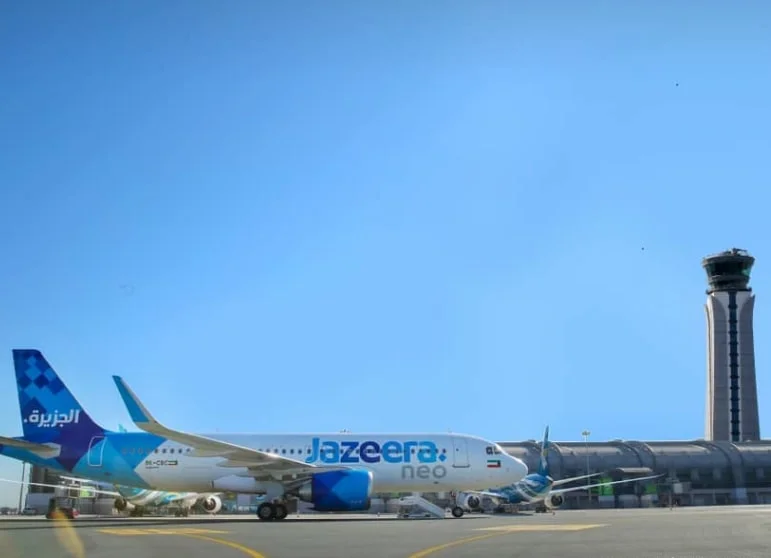
Stimulating Tourism and Hospitality Growth
Tourism is another area where Oman’s air transport sector has a profound impact. The convenience of direct international flights encourages tourists from Europe, Asia, and the Middle East to explore Oman’s natural landscapes, heritage sites, and cultural experiences.
Increased tourist arrivals drive growth in hotels, restaurants, tour operations, and local crafts markets. Each tourist generates multiple employment opportunities and stimulates revenue generation across various service sectors. This creates a virtuous cycle where investment in air transport further strengthens the tourism ecosystem, boosting national GDP.
Infrastructure Development: Airports as Growth Engines
Modern, world-class airports are more than just transportation hubs they are economic catalysts. Oman has prioritized upgrading its airport facilities, with state-of-the-art terminals, cargo handling systems, and advanced security protocols.
Muscat International Airport, for instance, has transformed into a regional hub, handling millions of passengers and significant cargo volumes annually. This development not only improves travel experience but also enhances Oman’s attractiveness for international airlines and investors. Other regional airports, such as Salalah and Duqm, are strategically expanded to support domestic growth and regional trade.
The aviation infrastructure also encourages the development of free zones and business districts near airports, providing companies with easy access to air transport and facilitating smoother supply chain operations. This integration of transport infrastructure and economic zones strengthens Oman’s competitive advantage in global trade.
Innovation and Sustainability in Aviation
Oman’s air transport sector is embracing innovation and sustainability to ensure long-term growth. Airlines are investing in fuel-efficient aircraft, digital booking systems, and streamlined baggage handling to reduce costs and environmental impact.
Sustainable practices in airports include energy-efficient lighting, solar-powered operations, and waste management programs. By prioritizing sustainability, Oman positions itself as a responsible aviation hub that appeals to environmentally conscious travelers and businesses alike.
Moreover, the adoption of advanced technologies, such as cargo tracking, predictive maintenance, and AI-assisted air traffic management, improves operational efficiency and safety. These innovations attract international partners and create high-skill employment opportunities, reinforcing Oman’s air transport sector as a future-ready industry.
Strengthening Regional and International Connectivity
Air transport plays a central role in connecting Oman to the broader Gulf region, Asia, Europe, and beyond. Expanding flight routes, enhancing airport capacity, and collaborating with international carriers ensures Oman remains a competitive player in the global aviation market.
Improved connectivity encourages cross-border business partnerships, joint ventures, and tourism collaborations. Oman’s strategic position on trade and travel routes further allows it to act as a hub for transit traffic, boosting revenues from aviation-related services and airport operations.
Air Transport as a Driver of Economic Resilience
The versatility of air transport makes it crucial for Oman’s economic resilience. During times of economic uncertainty or global disruptions, aviation ensures essential goods, medical supplies, and personnel can move quickly and efficiently.
A robust air transport network also supports diversification efforts by enabling new sectors to thrive. From logistics startups to tourism enterprises, many businesses rely on dependable air transport to expand operations and reach new markets. This adaptability strengthens Oman’s economy and positions it for sustainable growth in the coming decades.
Future Outlook: Expanding Opportunities
Oman’s air transport sector is set for continued growth, supported by government policies, international partnerships, and strategic investments. Expansion plans include increasing passenger capacity, modernizing regional airports, and developing specialized cargo hubs to meet rising demand.
Educational and training institutions are increasingly focused on aviation-related programs to supply a skilled workforce, ensuring Oman can meet the sector’s future labor needs. With technology, sustainability, and connectivity at the forefront, Oman is well-positioned to become a leading aviation hub in the Gulf.
Conclusion: Air Transport as a Catalyst for Prosperity
Oman’s air transport industry is much more than a means of moving people and goods. It is a powerful engine for jobs, trade, tourism, and overall economic growth. By investing in infrastructure, sustainability, and workforce development, Oman is transforming its aviation sector into a dynamic force for national prosperity.
The growth of air transport will continue to generate employment, attract international investment, and strengthen Oman’s position on the global stage. With innovation, strategic planning, and an unwavering focus on connectivity, Oman’s aviation sector is set to elevate the nation’s economy and enhance quality of life for its citizens for decades to come.
Do follow Gulf Magazine on Instagram.
Also Read – Oman Infrastructure Investment: $941M to Transform Projects

