

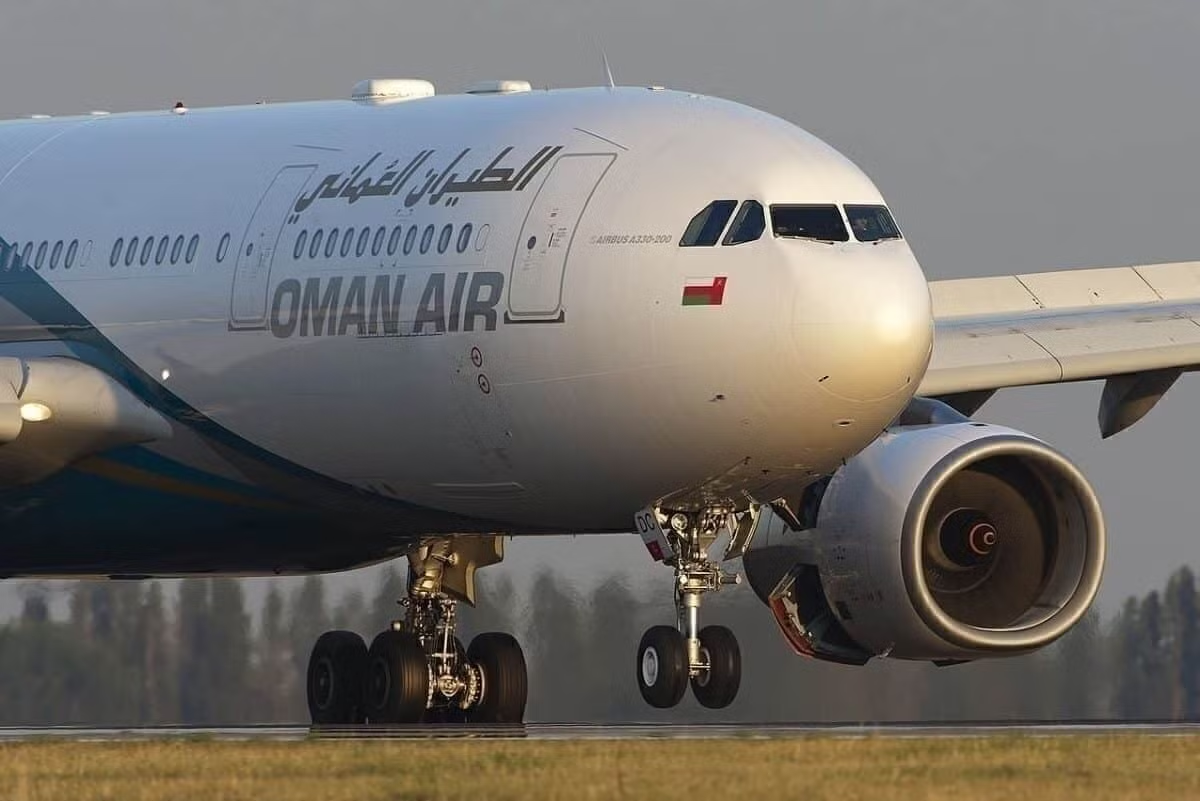
Oman’s aviation industry is soaring to new heights, contributing a remarkable $1.8 billion to the nation’s GDP. As air travel rebounds globally, the Sultanate is reaping the benefits of strategic investments in infrastructure, airport expansions, and international connectivity. The aviation sector has evolved beyond a transport function to become a cornerstone of Oman’s economic diversification efforts.
In recent years, Oman has positioned itself as a regional hub for tourism and business travel. The development of modern airports, coupled with enhanced airline services, has enabled smoother travel experiences. These improvements not only facilitate international connections but also create ripple effects across hospitality, retail, and service industries, driving broader economic impact.
Tourism’s Strong Link to Aviation
Tourism in Oman has seen unprecedented growth, with the aviation sector acting as its engine. Directly contributing $710 million to the national economy, tourism has become a critical revenue source. Oman’s natural beauty, from its stunning coastline to desert landscapes and mountains, attracts travelers worldwide. As accessibility improves through efficient airline routes and upgraded airports, more international tourists are choosing Oman as a premier travel destination.
Airports in Muscat, Salalah, and Sohar have experienced record passenger traffic, reflecting the increasing number of travelers. This influx supports hotels, resorts, tour operators, and cultural experiences, amplifying the tourism sector’s economic contribution. Each flight arriving in Oman generates spending on accommodation, dining, transport, and local attractions, creating a multiplier effect throughout the economy.
Job Creation Through Aviation and Tourism
Beyond revenue, the aviation and tourism sectors are vital employment drivers. Together, they support approximately 18,000 jobs, ranging from airline staff, pilots, and airport personnel to hospitality workers, tour guides, and service providers. This growth in employment not only reduces unemployment but also enhances workforce skills, providing career pathways in aviation, tourism management, and customer service.
Investments in aviation infrastructure have prompted the creation of high-quality, sustainable jobs. Training programs for Omani youth in aviation operations, safety, and hospitality ensure a skilled workforce capable of meeting international standards. This approach aligns with the nation’s Vision 2040 goals, focusing on sustainable economic growth and workforce development.
Infrastructure Investments Boosting Connectivity
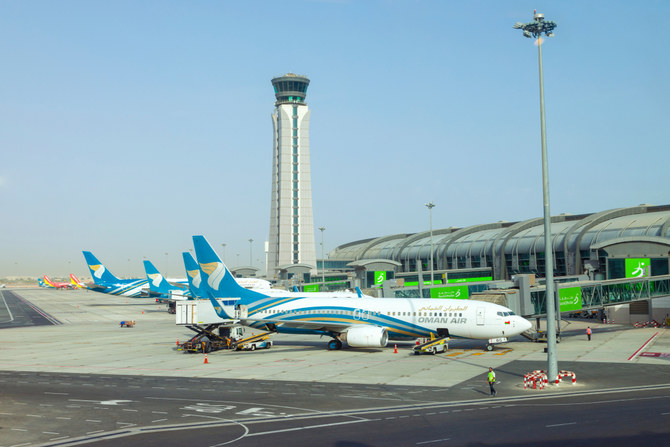
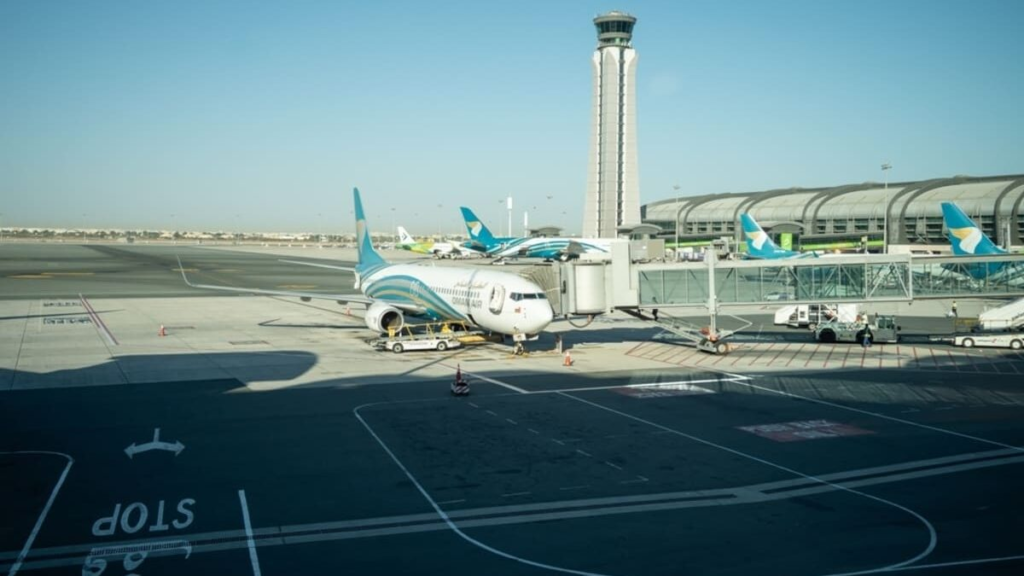
Oman’s commitment to aviation excellence is evident in its ongoing infrastructure projects. The Muscat International Airport expansion is a key milestone, with new terminals, increased passenger handling capacity, and state-of-the-art technology. These upgrades improve operational efficiency and passenger experience, enabling Oman to compete with other Gulf destinations as a regional hub.
Similarly, smaller airports like Salalah and Duqm are being enhanced to support both domestic and international flights. These investments diversify travel options, encourage regional tourism, and connect remote areas to global markets. Improved connectivity also facilitates business travel and trade, further integrating Oman into the global economy.
Aviation as a Catalyst for Economic Diversification
Oman’s economy has historically depended on oil and gas, but the government is actively promoting diversification through strategic sectors like aviation, logistics, and tourism. The aviation industry plays a central role in this strategy by linking Oman to new markets, attracting investment, and promoting international trade.
By strengthening its aviation infrastructure and policies, Oman is positioning itself as a regional hub for business and leisure travel. This diversification reduces economic dependence on hydrocarbons and ensures sustainable long-term growth. The aviation sector’s contribution of $1.8 billion to GDP highlights its significance as an economic driver and a catalyst for broader development initiatives.
Sustainable Growth and Environmental Responsibility
Oman’s aviation sector is also embracing sustainable practices. Airlines are investing in modern, fuel-efficient aircraft, and airports are implementing green initiatives to minimize carbon footprints. Energy-efficient lighting, waste management systems, and water conservation measures are being integrated across terminals.
These steps demonstrate Oman’s commitment to responsible tourism and aviation growth. By balancing economic development with environmental stewardship, the country is creating a sustainable model that ensures long-term prosperity without compromising natural resources.
Enhancing Passenger Experience and Services
Passenger experience has become a key focus for Oman’s aviation sector. From seamless check-in processes to modern lounges and retail options, travelers benefit from an elevated journey. Digital innovations such as mobile apps, e-ticketing, and smart security systems have streamlined operations, enhancing convenience and efficiency.
Such improvements encourage repeat visits and positive word-of-mouth, fueling tourism further. Travelers not only explore Oman’s scenic landscapes but also contribute to local businesses, from fine dining and handicrafts to adventure tours and cultural excursions. The resulting economic activity strengthens communities and supports small and medium enterprises.
Regional and International Collaboration
Oman’s aviation growth is also underpinned by strong regional and international collaborations. Partnerships with foreign airlines, code-sharing agreements, and joint ventures enhance connectivity and open new markets. These collaborations boost trade, cultural exchange, and tourism, creating mutually beneficial opportunities.
Furthermore, Oman is actively participating in regional aviation initiatives to standardize safety, security, and operational practices. By aligning with international benchmarks, the country strengthens its reputation as a reliable, world-class aviation hub.
Future Prospects for Oman’s Aviation and Tourism
Looking ahead, Oman’s aviation sector is poised for continued growth. Plans for additional airport expansions, new airline routes, and technological upgrades will support rising passenger numbers. As tourism demand increases, Oman is focusing on sustainable development, workforce training, and high-quality visitor experiences.
The government’s strategic vision ensures that aviation remains a key economic pillar. With $1.8 billion already contributing to GDP and 18,000 jobs generated, the sector is expected to expand further, driving greater economic diversification and regional influence.
Oman’s unique blend of natural beauty, cultural heritage, and modern infrastructure positions it as a top destination for travelers and investors alike. The synergy between aviation and tourism not only boosts revenue but also creates jobs, enhances connectivity, and strengthens the nation’s global standing.
Conclusion: Aviation Driving Oman’s Prosperity
Oman’s aviation sector is much more than an industry; it is a driver of economic prosperity, tourism growth, and employment opportunities. The $1.8 billion GDP contribution, $710 million tourism impact, and 18,000 jobs highlight the sector’s importance to national development.
Through strategic investments, sustainable practices, and innovative service improvements, Oman is shaping its aviation industry into a dynamic, growth-oriented sector. As the country continues to attract global travelers, strengthen infrastructure, and develop skilled talent, aviation will remain a cornerstone of Oman’s economic vision for decades to come.
The success of Oman’s aviation sector is a testament to the nation’s forward-looking policies, international collaboration, and commitment to sustainable growth. It exemplifies how strategic investments in connectivity, infrastructure, and workforce development can transform a sector into a catalyst for comprehensive economic and social prosperity.
Do follow Gulf Magazine on Instagram.
Also Read – Saudi Arabia Non-Oil Growth Surges with Strong Job Creation