

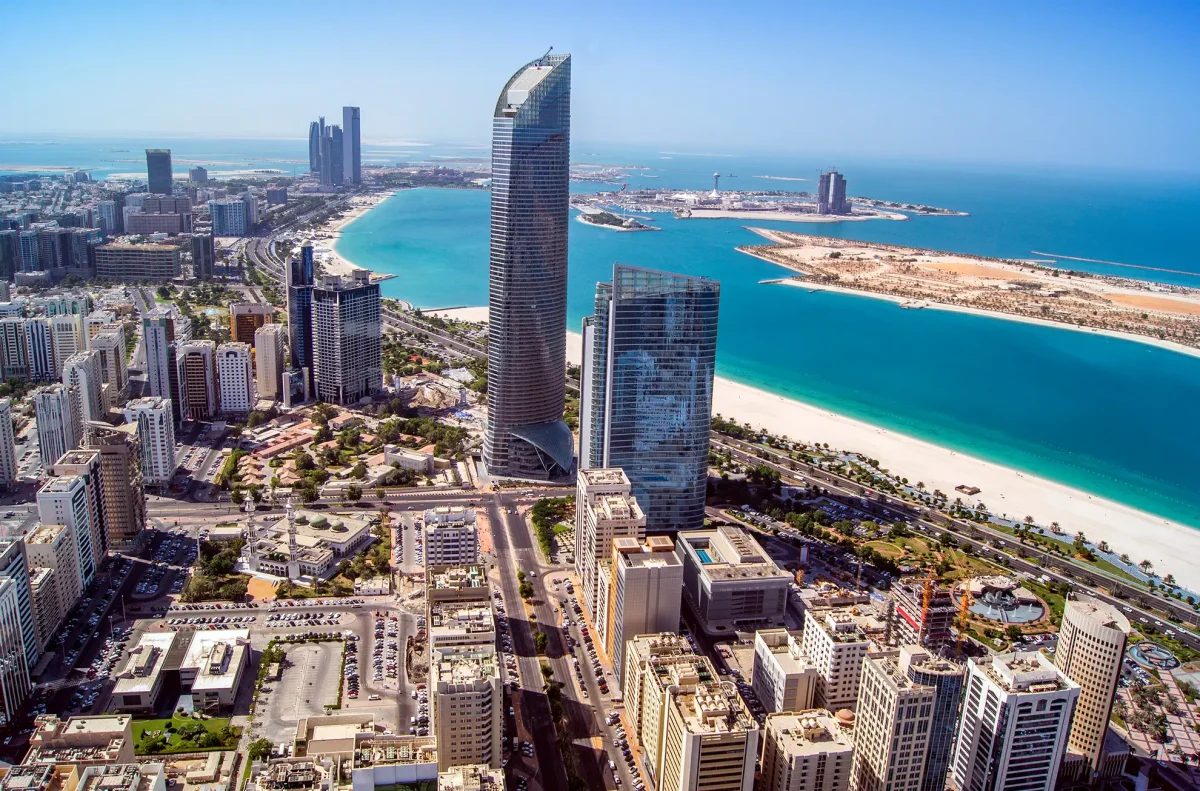
The Gulf region continues to demonstrate resilience and ambition as Oman, Bahrain, and Kuwait chart a unified path of growth and collaboration that extends until December 2026. With renewed focus on economic expansion, tourism development, and regional cooperation, these nations are setting new benchmarks for sustainable progress and diversification beyond oil revenues.
This strategic period marks a crucial phase in the Gulf Cooperation Council (GCC)’s shared vision to enhance integration, attract global investments, and strengthen cultural and economic ties. Through collaborative policies, infrastructure modernization, and tourism-driven initiatives, Oman, Bahrain, and Kuwait are unlocking new opportunities that aim to transform the region into a thriving hub for innovation and development.
A Unified Economic Vision
Economic diversification remains a top priority for all three nations. Oman’s Vision 2040, Bahrain’s Economic Vision 2030, and Kuwait Vision 2035 share a common goal reducing dependency on hydrocarbons and building vibrant, knowledge-based economies.
Oman has taken significant steps in industrial development and logistics, capitalizing on its strategic location at the mouth of the Arabian Sea. The country is expanding free zones in Duqm and Sohar to attract foreign investors and foster export-oriented industries. Meanwhile, Bahrain continues to strengthen its position as a financial center in the Middle East by enhancing digital transformation and offering attractive policies for fintech startups.
Kuwait, on the other hand, is channeling massive investments into its “New Kuwait” initiative, focusing on infrastructure, education, and innovation. Projects like Silk City and the Northern Gateway are designed to position Kuwait as a key trade and logistics hub connecting Asia, the Middle East, and Europe.
Collectively, these national strategies align with the GCC’s broader economic agenda, emphasizing regional integration and cooperation.
Driving Tourism Growth and Cultural Exchange

Tourism is emerging as one of the most dynamic sectors in Oman, Bahrain, and Kuwait. Each country is actively developing new attractions and upgrading its hospitality infrastructure to attract international visitors.
Oman, known for its natural beauty and rich heritage, has been promoting sustainable tourism. The opening of luxury resorts, eco-friendly lodges, and heritage trails highlights the country’s commitment to preserving nature while boosting visitor numbers. Oman’s Ministry of Heritage and Tourism projects millions of international arrivals by 2026, fueled by new flight routes and global marketing campaigns.
Bahrain, with its vibrant blend of modernity and tradition, is positioning itself as a regional leisure and events destination. The Bahrain International Circuit continues to draw global attention with Formula 1 races, while new waterfront developments and retail destinations cater to international tourists. Additionally, Bahrain’s growing reputation for cultural festivals and exhibitions has strengthened its appeal among visitors seeking authentic Gulf experiences.
Kuwait’s tourism development is gaining momentum, with the government focusing on entertainment, hospitality, and family-oriented attractions. New initiatives aim to open the country further to international travelers, supported by relaxed visa policies and private sector partnerships. By December 2026, Kuwait is expected to host a variety of major international events designed to spotlight its culture and innovation.
Regional Cooperation For a Shared Future
Beyond economic and tourism goals, the period leading up to December 2026 symbolizes a renewed era of regional unity and cooperation among Oman, Bahrain, and Kuwait. Diplomatic engagement and cross-border initiatives are strengthening ties within the GCC framework.
Joint projects in renewable energy, education, healthcare, and technology are underway to foster shared prosperity. For instance, collaborations in green hydrogen development, sustainable transport, and digital innovation are becoming central to inter-GCC relations. The countries are also working together to align environmental policies and invest in clean energy technologies to meet global sustainability goals.
Moreover, cultural diplomacy and youth exchange programs are deepening mutual understanding among the populations of these nations. The increased collaboration is not only creating stronger economic ties but also reinforcing stability and collective resilience in the face of global challenges.
Investment Opportunities and Future Prospects
Until December 2026, Oman, Bahrain, and Kuwait are expected to see a steady influx of foreign investments across various sectors. With strong government support and investor-friendly frameworks, the three nations are focusing on industries such as renewable energy, logistics, technology, healthcare, and real estate.
Oman’s ports and industrial zones continue to attract multinational companies seeking access to global markets. Bahrain’s fintech ecosystem has become a magnet for startups and international financial institutions. Meanwhile, Kuwait’s sovereign wealth fund remains one of the largest in the world, fueling growth in both domestic and international projects.
The region’s growing emphasis on innovation is evident through the establishment of tech parks, research centers, and smart city developments. These initiatives are designed to attract young entrepreneurs and global talent, contributing to the diversification of the regional economy.
Analysts predict that continued cooperation among Oman, Bahrain, and Kuwait will result in higher GDP growth, increased employment opportunities, and a stronger collective presence in global trade networks.
A Roadmap to 2026 and Beyond
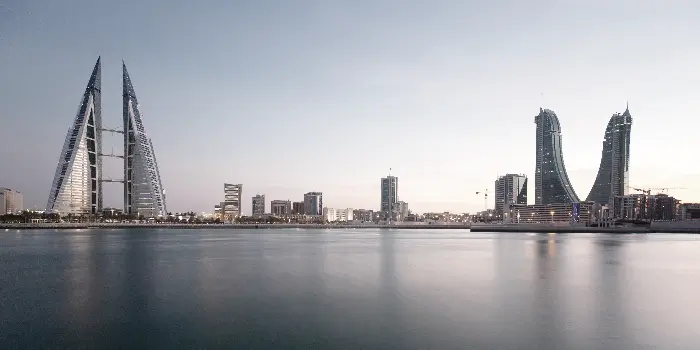
As Oman, Bahrain, and Kuwait progress toward December 2026, their shared goals of economic resilience, sustainable development, and regional cooperation continue to take shape. The focus on long-term planning and interconnectivity underscores the Gulf’s transformation into a modern, diversified, and globally connected region.
The journey ahead will not be without challenges. Global economic uncertainties, energy transition pressures, and regional competition demand innovative policies and strategic adaptability. However, the commitment of these nations to reform, invest, and collaborate positions them strongly to overcome obstacles and capitalize on emerging opportunities.
By the end of 2026, the combined efforts of Oman, Bahrain, and Kuwait are expected to produce tangible results from booming tourism and diversified economies to enhanced diplomatic ties. Their progress represents not just national success stories but a broader movement toward regional unity and sustainable prosperity.
Conclusion
The roadmap stretching until December 2026 offers a powerful narrative of ambition, cooperation, and transformation for Oman, Bahrain, and Kuwait. Together, these nations are redefining the future of the Gulf through shared economic goals, tourism expansion, and strategic partnerships.
Their unified efforts symbolize a new era of growth one where innovation meets tradition, and cooperation drives collective progress. As the world watches, Oman, Bahrain, and Kuwait continue to prove that regional collaboration can unlock limitless horizons for prosperity and peace.
Do Follow Gulf Magazine on Instagram
Read More: – India and Bahrain Launch 1 Powerful Partnership for Instant Cross-Border Payments

