


The recent handover of the Oman Botanic Garden to the Muscat Municipality marks a pivotal moment in Oman’s journey toward blending environmental stewardship with tourism excellence. The Ministry of Heritage and Tourism, in a historic gesture, entrusted the management and oversight of this landmark project to local authorities. This move signals the commitment to not only conserve Oman’s botanical heritage but also to elevate the city’s appeal as a destination for eco-tourism and educational engagement.
Oman Botanic Garden is not just a garden. It is a bold statement about the Sultanate’s dedication to preserving its natural legacy while providing residents and visitors with a destination that inspires curiosity, creativity, and a sense of connection to the environment.
Showcasing Oman’s Botanical Diversity
One of the most striking features of the Oman Botanic Garden is its comprehensive approach to representing the Sultanate’s diverse plant life. Unlike conventional gardens, which often focus on aesthetic appeal alone, this project is scientifically rigorous, educational, and immersive. It houses a remarkable variety of native plants and trees, offering a living archive of Oman’s rich botanical heritage.
Survey efforts have cataloged hundreds of plant species, including 20 species unique to Oman. These discoveries underscore the garden’s scientific significance and reinforce its status as a repository of knowledge. It is not only a place of beauty but also a hub for research, providing vital data for botanists, conservationists, and students alike.
A Hub for Research and Education
Beyond tourism, the garden is designed as an educational powerhouse. Visitors of all ages will have the opportunity to learn about Oman’s natural environments, the importance of biodiversity, and the principles of sustainability. Interactive zones, educational exhibits, and guided tours will allow guests to engage deeply with the ecological stories of the region.
For researchers and students, the garden serves as an invaluable living laboratory. Its diverse habitats, meticulously designed to replicate natural conditions, offer a unique space for studying plant behavior, adaptation, and conservation. The presence of endemic species provides an unparalleled opportunity to understand and protect the Sultanate’s most vulnerable flora.
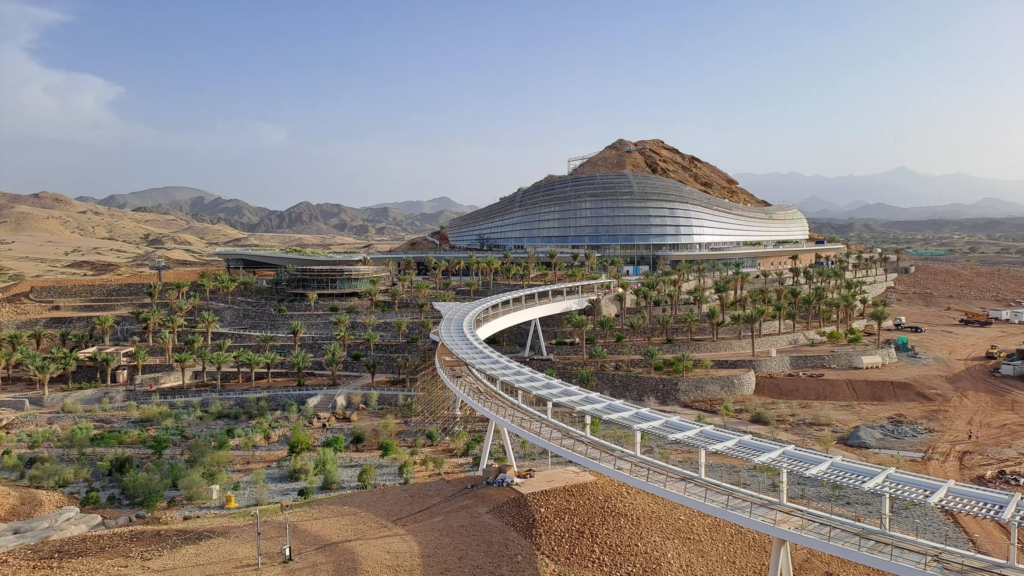
Accessibility and Infrastructure
Muscat Municipality has prioritized accessibility in conjunction with the garden’s handover. A new 1.4 km dual carriageway along Al Khoud Village Road ensures smooth traffic flow, with dedicated lanes for vehicles, pedestrian sidewalks, and well-planned infrastructure for visitors. Situated just 35 km from Muscat International Airport, the garden is strategically positioned to welcome both local visitors and international tourists.
The planning and design emphasize convenience without compromising the garden’s ecological integrity. From parking facilities to clear signage and visitor amenities, every element has been carefully considered to enhance the overall experience.
Sustainability at Its Core
The Oman Botanic Garden exemplifies sustainability in its design, construction, and operation. From water-efficient irrigation systems to environmentally friendly construction materials, every aspect reflects a commitment to protecting the environment. This sustainable approach extends to the garden’s energy usage, waste management, and ongoing maintenance, ensuring that the project aligns with Oman’s broader environmental goals.
A 20,000 square meter nursery lies at the heart of the garden, supporting its growth and maintenance. Equipped with multiple greenhouses, glasshouses, and shaded zones, the nursery ensures a steady supply of plants while allowing for experimentation and propagation of rare species. This facility underscores the garden’s dual role as both a visitor attraction and a center for botanical expertise.
Experiential Attractions for Visitors
The Oman Botanic Garden is designed to engage visitors in dynamic and memorable ways. Among its standout attractions is Oman’s first cable car ride, offering panoramic views of the garden and its surrounding landscapes. Visitors can also explore open playgrounds, event spaces, and interactive zones that encourage learning through play and discovery.
Whether walking along shaded trails, participating in workshops, or attending seasonal events, guests will find a rich variety of activities tailored to all ages. These features ensure that the garden is not only a destination for passive observation but an immersive environment that fosters curiosity and delight.

Promoting Eco-Tourism and Heritage
By combining conservation, education, and recreation, the Oman Botanic Garden sets a new benchmark for eco-tourism in the region. It encourages visitors to develop a deeper appreciation for Oman’s natural heritage while supporting local tourism infrastructure.
The garden’s success is expected to boost eco-tourism, attracting international visitors interested in sustainable travel and cultural experiences. By offering educational programs alongside recreational activities, it strengthens Oman’s reputation as a country that values both nature and heritage.
Strengthening Community Engagement
Local communities are integral to the garden’s long-term success. Employment opportunities, volunteer programs, and community events ensure that residents are actively involved in the garden’s development and ongoing operations. Educational outreach programs further engage schools and universities, instilling a sense of stewardship and environmental responsibility in the next generation.
Through these initiatives, the Oman Botanic Garden becomes more than a tourist attraction; it becomes a community asset, a place where people feel a personal connection to Oman’s biodiversity and heritage.
Scientific Contributions and Future Research
The garden’s research potential cannot be overstated. It provides a unique platform for scientists to document, analyze, and protect Oman’s plant species. By maintaining a living collection, researchers can monitor plant growth, study ecological interactions, and explore conservation strategies.
Furthermore, the discovery of previously unknown species highlights the garden’s role in expanding scientific knowledge. As the project evolves, it will continue to serve as a reference point for global botanical studies, positioning Oman as a key player in regional and international conservation efforts.
Integrating Technology and Innovation
Innovation plays a vital role in enhancing visitor experience and operational efficiency. Smart irrigation systems, environmental monitoring tools, and interactive educational platforms ensure that the garden is not only sustainable but also technologically advanced.
Visitors can engage with digital displays, augmented reality tours, and mobile applications that provide in-depth insights into the plants and ecosystems they encounter. These technological integrations make the garden accessible and engaging for tech-savvy audiences, bridging traditional botanical knowledge with modern learning methods.
Celebrating Oman’s Natural Beauty
The Oman Botanic Garden is a celebration of the Sultanate’s diverse landscapes from rugged mountains and desert plains to coastal ecosystems. By bringing together these habitats under one roof, the garden offers a comprehensive glimpse into Oman’s ecological richness.
Every pathway, exhibit, and garden section is carefully curated to highlight the beauty and resilience of native plants. Visitors leave not only with knowledge but with a renewed sense of wonder and appreciation for the environment.
Conclusion: A Vision Realized
The handover of the Oman Botanic Garden to Muscat Municipality is a testament to Oman’s commitment to conservation, education, and sustainable tourism. It reflects a visionary approach that balances scientific research with public engagement, infrastructure with environmental responsibility, and tourism with heritage preservation.
As the garden opens its doors to the public, it promises to inspire generations, foster community engagement, and solidify Oman’s reputation as a leader in eco-tourism and botanical research. This landmark project is more than a garden; it is a living testament to the beauty, resilience, and promise of Oman’s natural world.
The Oman Botanic Garden stands poised to become a beacon of environmental stewardship, an educational haven, and a destination where every visitor can experience the wonders of nature, right in the heart of Muscat.
Do follow Gulf Magazine on Instagram.
Also Read – ALECSO Strengthens Support for Omani Researchers in Renewable Energy

