


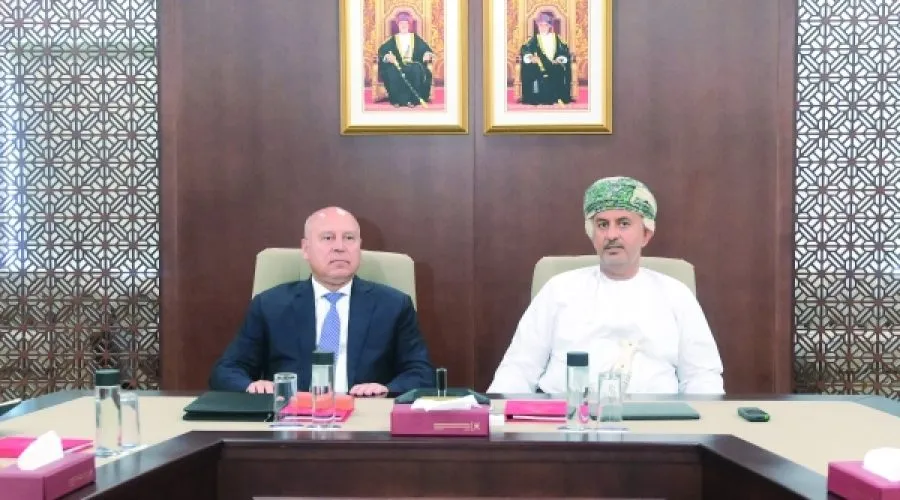
The recent cooperation talks between Oman and Egypt around economic zones have captured the attention of investors, manufacturers, and policymakers across the region. At a time when businesses are looking for stability, market access, and long-term growth, the dialogue between these two nations signals something deeper than diplomatic goodwill. It reflects a shared ambition to build resilient economic ecosystems that benefit local industries while attracting global capital.
For businesses, this cooperation is not just about memorandums or official visits. It is about real opportunities, reduced barriers, and smarter ways to expand across borders. The Oman–Egypt zone cooperation talks could redefine how investment flows between the Gulf and North Africa, creating a bridge that supports sustainable growth on both sides.
Why Oman and Egypt Are Natural Economic Partners
Oman and Egypt bring complementary strengths to the table. Oman has positioned itself as a stable, business-friendly hub with modern ports, industrial zones, and a clear economic diversification strategy. Egypt, on the other hand, offers scale, a large domestic market, a skilled workforce, and strategic access to Africa, Europe, and the Mediterranean.
Together, they form a partnership that balances efficiency with scale. Oman provides ease of doing business and logistical advantages, while Egypt delivers production capacity and market depth. The cooperation talks aim to align these strengths within designated economic zones, making cross-border investment smoother and more predictable.
Understanding the Focus on Economic Zones
Economic zones have become powerful tools for growth across the Middle East and North Africa. They offer targeted incentives, streamlined regulations, and infrastructure designed specifically for business activity. The Oman–Egypt discussions focus on leveraging such zones to encourage joint ventures, manufacturing expansion, and service-sector growth.
What Economic Zones Offer Investors
Economic zones are designed to reduce friction for businesses. They typically provide tax incentives, simplified customs procedures, and ready-to-use infrastructure. For investors, this means faster setup times and lower operational risk.
In the context of Oman–Egypt cooperation, zones could serve as launchpads for companies looking to operate across both markets without duplicating effort. An investor could manufacture in Egypt’s industrial zones while managing logistics, finance, or regional headquarters from Oman.
Aligning Policies for Seamless Operations
One of the most promising aspects of the talks is the focus on policy alignment. Differences in regulations often slow down cross-border investments. By coordinating standards, approvals, and investment frameworks, Oman and Egypt can significantly reduce these barriers.
This alignment sends a strong message to the private sector: long-term cooperation is a priority, and businesses will be supported at every stage of their expansion journey.

Key Sectors Poised for Growth
The cooperation talks are not limited to one industry. Instead, they open doors across multiple sectors that are critical to regional and global supply chains.
Manufacturing and Industrial Development
Manufacturing sits at the heart of the Oman–Egypt economic vision. Egypt’s large workforce and established industrial base make it ideal for production, while Oman’s ports and logistics networks support efficient export.
Joint industrial projects could target sectors such as building materials, chemicals, food processing, and light engineering. For manufacturers, this creates an opportunity to optimize costs while improving access to regional and international markets.
Logistics, Ports, and Trade Facilitation
Oman’s strategic location along major shipping routes gives it a natural advantage in logistics. Egypt’s control of key trade corridors enhances this further. Cooperation between their economic zones could result in integrated logistics solutions that reduce transit times and costs.
For trading companies and distributors, this integration could transform supply chains, making them more resilient and responsive to market demand.
Energy, Renewables, and Sustainability
Energy cooperation is another area with strong potential. Oman’s experience in energy projects and Egypt’s growing focus on renewables create opportunities for collaboration in clean energy, green hydrogen, and energy-efficient manufacturing.
Economic zones that prioritize sustainability can attract investors looking to meet global environmental standards while maintaining profitability.
Technology and Knowledge-Based Industries
Beyond traditional sectors, the talks also highlight opportunities in technology, digital services, and innovation-driven industries. Egypt’s growing tech talent pool combined with Oman’s supportive regulatory environment can nurture startups and technology firms with regional ambitions.
This collaboration could encourage knowledge transfer, joint research initiatives, and innovation hubs within economic zones.
What This Means for Regional and International Investors
For investors, the Oman–Egypt cooperation talks represent a shift toward smarter regional integration. Instead of viewing markets in isolation, businesses can now consider a connected investment strategy that spans the Gulf and North Africa.
Reduced Risk Through Diversification
Investing across two complementary markets helps spread risk. Economic slowdowns, regulatory changes, or market fluctuations in one country can be balanced by stability in the other. The cooperation framework aims to make such diversification easier and more attractive.
Clearer Pathways for Market Entry
New investors often struggle with market entry due to unclear regulations or unfamiliar business environments. Joint economic zone initiatives can offer clear entry points, supported by government-backed frameworks that build confidence.
For small and medium-sized enterprises, this clarity can be the difference between hesitation and action.
Opportunities for Local Businesses and SMEs
While large corporations often dominate headlines, local businesses and SMEs stand to gain significantly from Oman–Egypt cooperation.
Expanding Beyond Borders
Local companies in Oman can use Egypt as a gateway to Africa and Europe, while Egyptian firms can tap into Gulf markets through Oman. Economic zones provide the structure and support needed for this expansion.
Building Stronger Supply Chains
Cross-border cooperation allows SMEs to become part of larger supply chains. By partnering with companies across both countries, they can scale operations, improve quality standards, and secure long-term contracts.
This inclusion strengthens the overall business ecosystem and supports job creation.
The Human Side of Economic Cooperation
Beyond numbers and policies, these talks are ultimately about people. They create opportunities for skills development, knowledge exchange, and cultural understanding. When businesses collaborate across borders, they bring teams together, share expertise, and build lasting relationships.
For young professionals, this cooperation can open doors to new careers and experiences. For entrepreneurs, it offers a chance to think bigger and compete on a regional stage.
Challenges to Watch and How They Can Be Addressed
No cooperation effort is without challenges. Differences in legal systems, administrative processes, and business culture can create friction if not managed carefully.
Managing Regulatory Differences
While policy alignment is a goal, implementation takes time. Continuous dialogue between authorities and the private sector will be essential to ensure that regulations remain practical and business-friendly.
Ensuring Balanced Growth
Both countries will need to ensure that cooperation delivers mutual benefits. Balanced growth builds trust and encourages long-term commitment from investors and businesses alike.
Transparent communication and regular evaluation of outcomes can help maintain this balance.
The Long-Term Vision for Oman–Egypt Cooperation
The zone cooperation talks are not a short-term initiative. They reflect a long-term vision of regional integration, shared prosperity, and economic resilience. By focusing on strategic sectors, policy alignment, and human capital, Oman and Egypt are laying the foundation for sustained growth.
For businesses, this vision translates into opportunity. Those who engage early, build partnerships, and align their strategies with this cooperation framework are likely to gain a competitive edge.
A Turning Point for Investment and Business Growth
The Oman–Egypt zone cooperation talks mark an important turning point for investment in the region. They signal openness, ambition, and a willingness to work together for shared success.
For investors, entrepreneurs, and business leaders, the message is clear. This cooperation is not just a political statement; it is an invitation to participate in a new phase of regional growth. Those who understand its potential and act decisively may find themselves well positioned in a rapidly evolving economic landscape.
Do follow Gulf Magazine on Instagram.
Also Read – Omani Packaging Supplier Expands Medical Plastics Capacity for Healthcare Growth

