


Hydrogen Transport Oman has taken a bold step forward with a landmark deal aimed at improving transport efficiency across the Sultanate. This initiative positions Oman as a regional leader in clean energy solutions and signals a major move toward sustainable mobility.
The agreement, finalized with leading international and local stakeholders, aims to introduce cutting-edge hydrogen technologies across public and private transport sectors. This move is expected to reduce carbon emissions dramatically while improving the efficiency and reliability of transportation networks throughout the Sultanate.
Boosting Sustainable Mobility
Hydrogen-powered transport is gaining traction worldwide due to its ability to produce zero emissions at the point of use. Unlike conventional fossil fuels, hydrogen vehicles emit only water vapor, making them an ideal solution for countries striving to meet sustainability goals.
Oman’s commitment to this technology will not only benefit the environment but also create new opportunities for economic growth. By integrating hydrogen infrastructure into transport systems, Oman is opening the door to innovative energy solutions, creating jobs, and attracting investment in a sector poised for rapid expansion.
Strategic Partnerships Drive Innovation
The success of this initiative depends on collaboration between government agencies, private companies, and research institutions. Oman has partnered with international technology leaders and local innovators to ensure that the deployment of hydrogen transport solutions is efficient, scalable, and cost-effective.
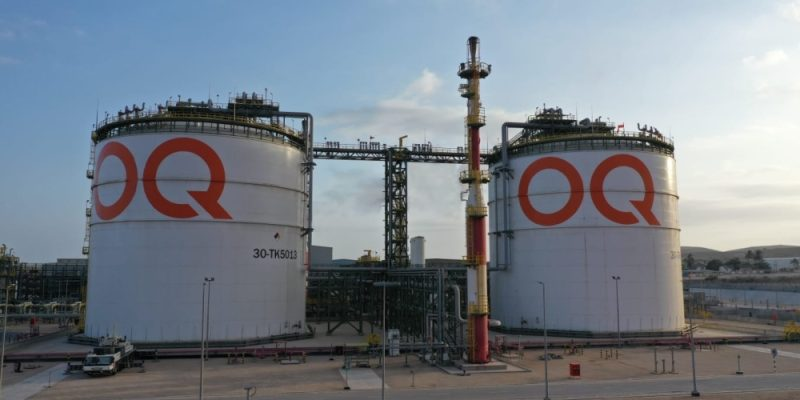
These partnerships focus on multiple facets, including hydrogen production, storage, and distribution. By combining global expertise with local knowledge, Oman aims to create a self-sustaining hydrogen ecosystem that can serve as a model for other countries in the region.
Economic Benefits and Job Creation
The hydrogen transport deal is expected to generate substantial economic benefits for Oman. The initiative will spur investment in new infrastructure projects, from refueling stations to vehicle maintenance facilities. It will also stimulate local manufacturing and technology development, supporting startups and established companies alike.
Job creation is another major advantage. As the hydrogen transport sector grows, it will demand skilled professionals in engineering, logistics, research, and maintenance. This aligns with Oman’s vision to diversify its economy, reduce reliance on fossil fuels, and build a highly skilled workforce for the future.
Reducing Carbon Footprint
A core objective of Oman’s hydrogen transport initiative is reducing the country’s carbon footprint. Transport is one of the largest contributors to greenhouse gas emissions globally, and transitioning to hydrogen-powered vehicles is a direct step toward climate responsibility.
By deploying hydrogen buses, trucks, and other vehicles, Oman can significantly cut emissions from its transport sector. This will not only improve air quality but also enhance public health and align the country with global climate targets.
Hydrogen: A Key Component of Oman’s Energy Strategy
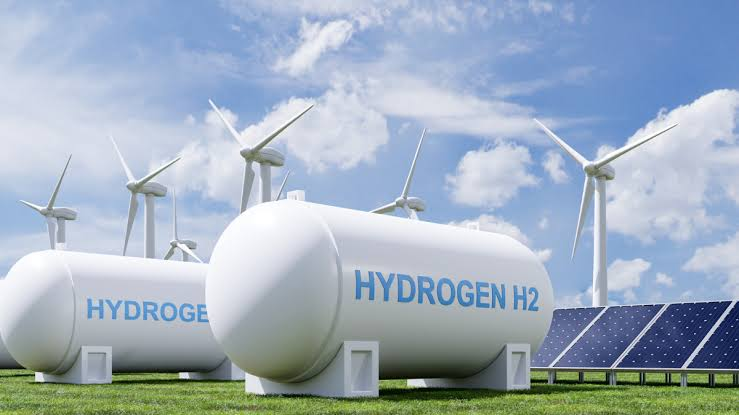
Oman’s energy strategy has long focused on diversification and sustainability. Hydrogen, with its versatility and environmental benefits, fits seamlessly into this vision. The country’s abundant renewable energy resources, such as solar and wind power, can be leveraged to produce green hydrogen, creating a clean, reliable, and renewable energy cycle.
This deal underscores Oman’s proactive approach to modernizing its energy and transport sectors. By investing in hydrogen technology today, the country is preparing for a future where clean mobility is central to its development.
Future Outlook: A Green Transport Revolution
The implementation of hydrogen transport solutions in Oman is just the beginning. Experts anticipate rapid adoption across urban and industrial transport systems, transforming how people and goods move across the country.
Oman’s efforts could also inspire other nations in the Gulf region to explore similar technologies, fostering a broader shift toward sustainable transport. With the right infrastructure, policy support, and continued investment, hydrogen could become a cornerstone of regional mobility, reducing environmental impact while supporting economic growth.
Public Awareness and Engagement
A successful hydrogen transport system requires public understanding and acceptance. Oman plans to launch awareness campaigns highlighting the benefits of hydrogen-powered vehicles, from cost savings to environmental impact.
Educational initiatives and pilot projects will allow citizens to experience the technology firsthand, ensuring that the transition to hydrogen is both smooth and widely supported. Public engagement is critical to making this green revolution a sustainable success.
Global Implications of Oman’s Hydrogen Initiative
Oman’s hydrogen transport deal has implications far beyond its borders. By becoming a regional leader in clean transport technology, the country can attract international partnerships and investment, positioning itself as a hub for innovation in renewable energy.
This leadership also strengthens Oman’s global reputation as a forward-thinking nation committed to sustainable development. It sets a powerful example for other countries seeking to reduce emissions while fostering economic resilience and technological advancement.
Conclusion: Driving Toward a Sustainable Future
Oman’s landmark deal for hydrogen-based transport efficiency solutions represents a bold step toward a greener, more sustainable future. By combining innovation, strategic partnerships, and a commitment to clean energy, the country is transforming its transport sector while creating economic and environmental benefits for generations to come.
With hydrogen at the forefront, Oman is not just keeping pace with global trends it is driving the change, demonstrating that a sustainable and efficient future is not only possible but already underway.
Do follow Gulf Magazine on Instagram.
Also Read – Oman 2026 Budget Focuses on People and National Growth

