

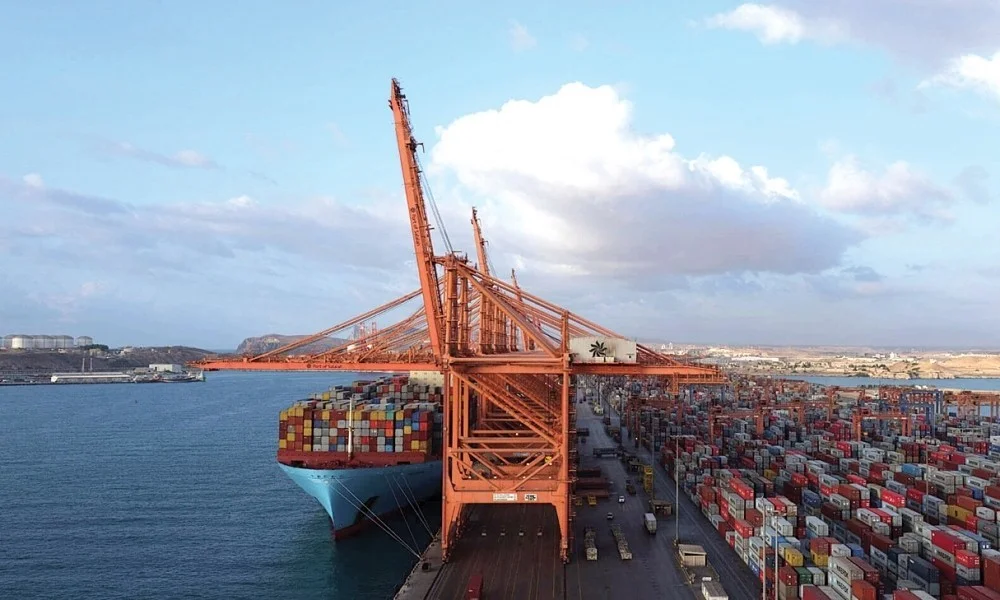
Oman Logistics Growth 2025: Key Insights & Trends,The logistics sector in Oman is on the brink of unprecedented growth, projected to see record expansion by 2025. As the country continues to diversify its economy beyond oil dependency, the logistics industry is emerging as a vital component of its economic strategy. This article delves into the factors driving this remarkable growth, the strategic initiatives in play, and the future outlook for Oman’s logistics sector.
Understanding the Growth Drivers
The growth of the Oman logistics sector can be attributed to several key drivers. First and foremost is the government’s commitment to enhancing infrastructure. The development of ports, roads, and airports is being prioritized to facilitate smoother trade routes and improve overall connectivity. The Sultanate’s strategic location, bordering key shipping lanes, positions it as a natural hub for regional logistics.
Additionally, the increase in regional trade agreements is fostering an environment conducive to logistics growth. Oman is actively participating in various Gulf Cooperation Council (GCC) initiatives aimed at reducing trade barriers. These agreements not only simplify the trade process but also attract foreign investments, further enhancing the logistics landscape.
Infrastructure Development: A Catalyst for Change
The backbone of Oman’s logistics sector lies in its infrastructure development. The Sultanate has made significant investments in modernizing its transport networks, focusing particularly on:
Port Facilities: The expansion of ports like Sohar and Duqm is set to bolster Oman’s status as a logistics hub. These ports are equipped to handle larger vessels, enhancing the country’s capacity to facilitate international trade.
Road Networks: Upgrading the road network is crucial for efficient goods movement across the country. Improved highways and connectivity between urban centers and ports are essential for reducing transit times.
Air Cargo: The expansion of Muscat International Airport is also noteworthy, as it will enhance air cargo capabilities. This is particularly important for high-value and perishable goods that require quick transport.

Embracing Technology and Innovation
As the logistics sector evolves, technology plays a vital role in driving efficiency and transparency. Oman is embracing digital transformation by implementing advanced logistics management systems. These systems enable real-time tracking of shipments, improving visibility and reliability for businesses and consumers alike.
Moreover, the adoption of automation in warehousing and distribution is becoming increasingly common. Automated systems reduce human error and streamline operations, allowing businesses to respond more swiftly to market demands.
The Role of Economic Diversification
Oman’s vision for economic diversification is another pivotal factor fueling growth in the logistics sector. The government is actively promoting sectors such as manufacturing, tourism, and renewable energy, which in turn increases demand for robust logistics services. As these sectors expand, the need for efficient supply chain management and logistics solutions becomes even more critical.
The establishment of free trade zones further complements this diversification strategy. These zones are designed to attract foreign investors by offering tax incentives and streamlined customs processes, creating a conducive environment for logistics operations.
Workforce Development and Talent Acquisition
A critical aspect of the logistics sector’s growth is the development of a skilled workforce. Oman recognizes the importance of investing in human capital to ensure the industry can meet future demands. Educational institutions are partnering with logistics companies to provide specialized training programs that equip the workforce with the necessary skills.
Furthermore, attracting talent from abroad is also part of Oman’s strategy. By bringing in experts with international experience, the logistics sector can benefit from best practices and innovative approaches to challenges.
Future Outlook: What Lies Ahead?
Looking ahead, the Oman logistics sector is poised for remarkable growth by 2025, driven by strategic initiatives and a commitment to infrastructure development. As the world continues to embrace globalization, Oman’s strategic location and robust logistics capabilities position it as a key player in the regional supply chain.
Moreover, the ongoing digital transformation within the sector promises to enhance operational efficiency and customer satisfaction. Logistics companies that harness technology effectively will likely lead the charge in this evolving landscape.
As Oman continues to diversify its economy, the logistics sector will play an instrumental role in shaping the future of the Sultanate. By investing in infrastructure, embracing innovation, and developing a skilled workforce, Oman is set to solidify its status as a logistics powerhouse in the region.
Conclusion: A Transformative Era for Oman’s Logistics
In conclusion, the Oman logistics sector is on the verge of record growth by 2025. With significant investments in infrastructure, a focus on economic diversification, and the adoption of technology, the future looks promising for this vital industry. The government’s strategic initiatives are paving the way for Oman to emerge as a regional logistics hub, and as we move forward, the opportunities for growth and innovation will continue to expand.
Do follow Gulf Magazine on Instagram.
Also Read – Oman Launches Digital Economy Initiative to Boost Tech Startups

