

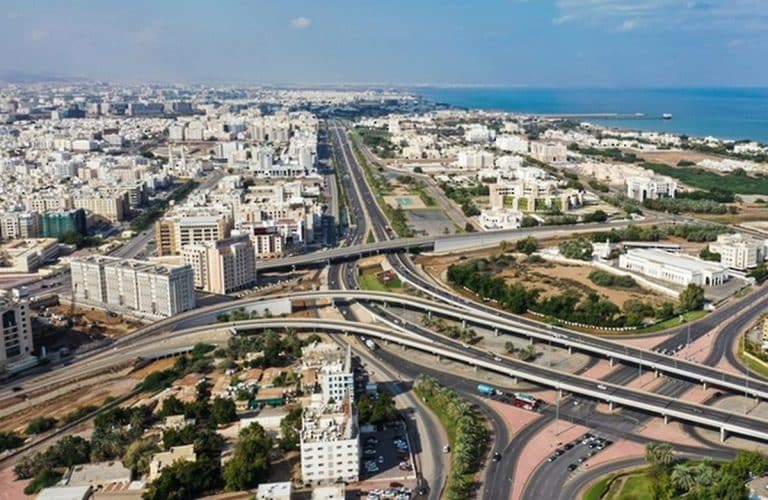
Oman real estate trades reached a total of $4.1 billion by the end of July 2025, reflecting the growing confidence in the Sultanate’s property market. This impressive figure highlights the country’s strong investment environment and signals an upward trend in real estate activity, driven by government reforms, infrastructure projects, and investor interest.
Rising confidence in Oman’s property market
The real estate sector in Oman has long been a key contributor to the national economy, but the growth recorded in 2025 is particularly significant. Reaching $4.1 billion in trades within just seven months suggests a steady flow of demand for both residential and commercial properties.
Market experts point to several factors behind this growth. These include government incentives that encourage foreign investment, large-scale housing and infrastructure projects, and increasing urban development across Muscat and other key cities. Together, these elements have created a more dynamic and attractive market for investors.
Residential property in high demand
One of the biggest drivers of Oman real estate trades has been the rise in demand for residential properties. With the population steadily increasing and more expatriates choosing Oman as a place to live and work, housing demand has continued to climb.
Apartments and villas in Muscat, Salalah, and Sohar have seen growing interest, particularly in mixed-use communities that combine living, shopping, and leisure facilities. Developers have been quick to respond by launching modern projects designed to meet the needs of families, professionals, and investors.
Commercial real estate gains momentum
Beyond residential growth, Oman’s commercial property sector is also showing signs of expansion. Office spaces, retail units, and industrial warehouses are attracting businesses that view Oman as a strategic hub for the Gulf and wider region.
The government’s ongoing investments in free zones, logistics hubs, and special economic areas have also played a major role. These initiatives are drawing international companies to set up operations in Oman, boosting the demand for commercial spaces.
Government reforms fueling investments
Oman has introduced a number of reforms that make it easier for investors, including foreign nationals, to participate in the property market. The expansion of usufruct rights, which allow foreign ownership in designated areas, has significantly broadened opportunities for international buyers.
Additionally, digitalization of property registration and streamlined procedures have reduced bureaucratic hurdles, making real estate transactions more efficient. These changes have been well-received by investors and have added to the overall transparency of the market.
Infrastructure projects supporting real estate growth
Oman’s infrastructure development is another factor that continues to fuel real estate trades. Ongoing investments in airports, roads, ports, and tourism facilities have boosted accessibility and opened new areas for development.
Major projects such as the expansion of Muscat International Airport, Duqm Port development, and road networks connecting interior regions are expected to enhance Oman’s attractiveness to both investors and residents. This directly contributes to rising property values in surrounding areas.
Strong investor interest from abroad
Oman real estate trades have also benefited from a rise in foreign investment. Buyers from neighboring Gulf countries, as well as international investors, are increasingly turning to Oman for its stability, strategic location, and promising property returns.
The introduction of residency visas linked to property investments has further encouraged overseas interest. This initiative has not only boosted sales but also contributed to long-term growth in Oman’s housing sector.
Challenges in the real estate sector

Despite the positive momentum, Oman’s real estate market still faces challenges. Market analysts caution that high supply in certain segments, such as luxury apartments, could lead to slower growth if demand does not keep pace.
Additionally, global economic uncertainties and oil price fluctuations continue to play a role in investor sentiment. However, the diversification of Oman’s economy under Vision 2040 is helping to reduce these risks by promoting non-oil sectors, including real estate.
Vision 2040 and the future of Oman’s real estate
Oman’s Vision 2040 strategy aims to build a sustainable, diversified economy, with real estate positioned as a cornerstone of growth. The government is committed to creating a vibrant property sector that attracts both domestic and foreign investments while supporting the country’s wider economic development.
With ongoing reforms, infrastructure improvements, and investor-friendly policies, the future of Oman real estate trades looks promising. Market experts predict that the sector will continue its upward trend, with new developments and rising demand further strengthening its position.
Conclusion: A promising outlook for Oman real estate trades
By July 2025, Oman real estate trades reaching $4.1 billion reflects not just the strength of the property market, but also the country’s growing role as a regional investment hub. Residential, commercial, and industrial developments are all contributing to this positive momentum.
Backed by government reforms, investor confidence, and strategic infrastructure projects, Oman’s property market is on a path of sustained growth. If current trends continue, the sector is likely to play an even larger role in shaping the Sultanate’s economic future in the years ahead.
Do Follow Gulf Magazine on Instagram

