

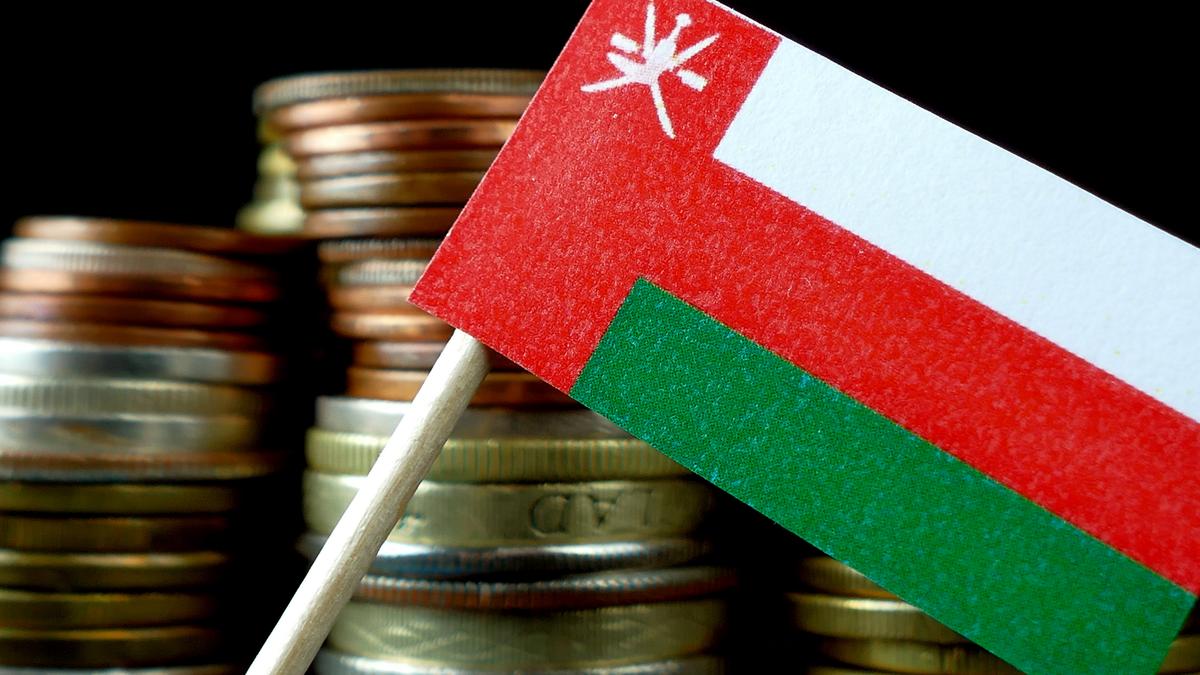
The announcement that Oman will be the first Gulf state to introduce a personal income tax marks a significant policy shift in the region. This decision comes as part of a broader strategy to enhance fiscal sustainability and diversify its economy. With the Gulf Cooperation Council (GCC) historically known for its tax-free environments, this move might spark both curiosity and concern among citizens and expatriates alike.
Oman’s decision reflects changing economic landscapes and the need for countries to adapt to global financial norms. In this article, we will delve into the implications of this policy shift, how it aligns with Oman’s long-term economic goals, and what it means for residents and businesses.
Understanding Oman’s Economic Landscape
Oman has long been characterized by its wealth from oil and gas exports. However, fluctuating oil prices have exposed vulnerabilities within its economy. As a result, the government is seeking innovative ways to stabilize its finances and promote long-term growth.
The introduction of a personal income tax signals Oman’s commitment to diversifying its revenue sources. By reducing dependency on oil revenues, the government aims to create a more resilient economy that can withstand external shocks.
The Rationale Behind the Tax Implementation
The adoption of a personal income tax is not merely a revenue-generating measure; it is part of a strategic plan to ensure fiscal health and sustainability. Here are some key reasons why Oman is making this policy shift:
Economic Diversification: With the need for alternative revenue streams, the personal income tax is a step towards a more diversified economy. It allows the government to invest in various sectors beyond oil.
Global Trends: Many countries worldwide have adopted personal income taxes as a standard practice. By implementing this tax, Oman aligns itself with global financial norms, potentially attracting foreign investment.
Social Equity: A personal income tax can promote social equity by redistributing wealth. It ensures that high earners contribute a fair share to the nation’s development.
Sustainable Development Goals: The revenue generated from this tax can fund critical infrastructure projects, education, and healthcare, contributing to the nation’s overall development.

How Will the Tax Affect Residents and Expatriates?
The introduction of a personal income tax will undoubtedly impact both Omani citizens and expatriates living in the country. Understanding the potential effects is crucial for individuals and families planning their financial future in Oman.
For Omani citizens, the tax may initially feel like a burden; however, it could lead to improved public services and infrastructure in the long run. The government has indicated that the tax structure will be designed to minimize hardship, potentially offering exemptions or lower rates for lower income brackets.
Expatriates, who comprise a significant percentage of Oman’s population, may also feel the repercussions. Traditionally enjoying a tax-free environment, they may need to reassess their financial planning and budget accordingly. Some might consider the impact of this tax when deciding to live and work in Oman.
The Implementation Process: What to Expect
As Oman transitions to this new tax system, several steps will be crucial for ensuring a smooth implementation. The government is likely to focus on transparency, education, and support for taxpayers.
Awareness campaigns will be essential to inform citizens and residents about the new tax regulations. Clear communication regarding tax rates, filing procedures, and deadlines will help mitigate confusion and ensure compliance.
Moreover, the government may consider establishing user-friendly digital platforms for tax filing, making the process more accessible for everyone involved. This shift could also lead to enhanced trust in government institutions as residents see their contributions being reinvested into community development.
Potential Challenges Ahead
While the introduction of personal income tax is a progressive move for Oman, it does not come without challenges. Public sentiment may vary, with some citizens and expatriates expressing discontent over the change.
Resistance to change is natural, especially in a region known for its tax-free lifestyle. The government will need to address concerns proactively, emphasizing the benefits of this policy shift. Ensuring that tax revenues translate into tangible improvements in public services will be vital for gaining public support.
Additionally, there may be logistical challenges in implementing a new tax system, particularly in accurately assessing incomes and ensuring compliance. The government will need to invest in the necessary infrastructure to facilitate this transition effectively.
The Long-Term Vision for Oman’s Economy
Oman’s introduction of personal income tax signifies more than just a change in fiscal policy; it reflects a vision for a more sustainable and diversified economy. The government aims to position the country as a competitive player on the global stage while ensuring that its citizens benefit from the newfound revenue streams.
By investing in education, infrastructure, and healthcare with the proceeds from the tax, Oman can pave the way for a prosperous future. As the country navigates this policy shift, collaboration between the government, businesses, and citizens will be essential for success.
Conclusion: Embracing Change for a Brighter Future
Oman’s decision to be the first Gulf state to introduce a personal income tax marks a pivotal moment in its economic journey. While this policy shift may raise questions and concerns, it also presents opportunities for growth and development.
As Omani citizens and expatriates adapt to this new reality, an open dialogue between the government and the public will be crucial. By embracing this change, Oman can set a precedent for fiscal responsibility and economic resilience in the region.
Do follow Gulf Magazine on Instagram.
Also Read – Middle East Economic Outlook Shows Robust Growth

