

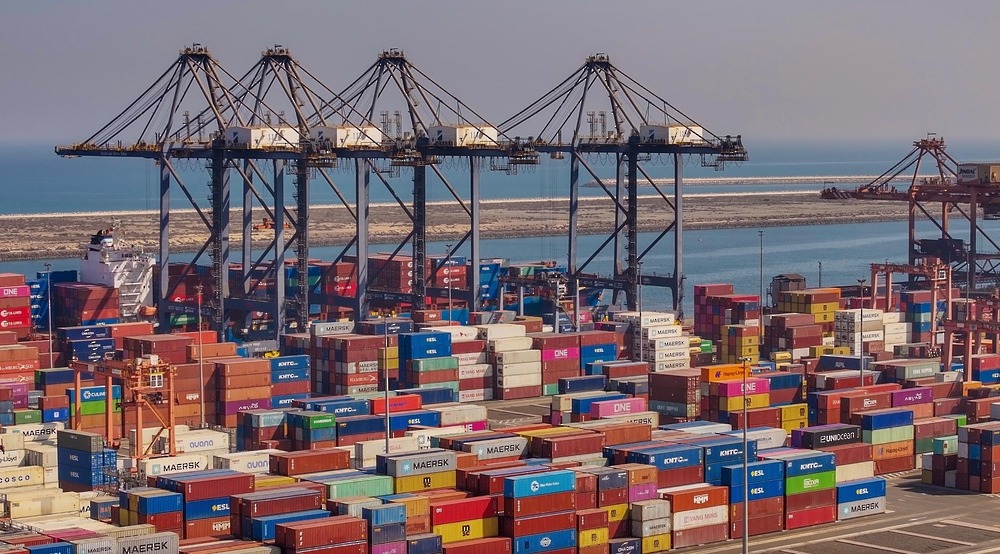
Oman, a key player in the Gulf’s economic landscape, has recently witnessed a significant drop in its trade surplus, falling 42% to $10 billion. This decline has raised concerns among investors and policymakers alike. While the number may seem alarming at first glance, it reflects a complex interplay of global market trends, domestic production dynamics, and evolving economic priorities.
Trade surplus is an important economic indicator, representing the difference between a country’s exports and imports. A higher surplus usually suggests that a nation is exporting more than it imports, which can indicate strong production capabilities and healthy foreign demand. However, Oman’s current situation illustrates that even robust economies are susceptible to external shocks and sectoral fluctuations.
The Role of Oil in Oman’s Economy
Oil exports have traditionally been the backbone of Oman’s economy, accounting for a significant share of government revenues and foreign exchange earnings. A decline in oil export value naturally affects the country’s trade surplus. The recent dip in the surplus underscores Oman’s vulnerability to volatile oil markets and global energy demand shifts.
While Oman has made strides in diversifying its economic portfolio, oil continues to dominate export revenue. Global oil price fluctuations, coupled with changing demand patterns from major importers, have contributed to the weaker export numbers. In addition, production adjustments and international agreements have played a role in reducing the volume of oil exports, further impacting trade figures.
Economic Diversification Efforts
Despite the decline in oil exports, Oman has been steadily working on economic diversification to reduce dependency on hydrocarbons. The government has invested in sectors such as manufacturing, logistics, tourism, and renewable energy. These initiatives aim to create sustainable revenue streams that can cushion the impact of oil market fluctuations.
The trade surplus decline may also reflect transitional challenges as these new sectors develop. Non-oil exports, while growing, have not yet fully compensated for the drop in oil revenues. However, Oman’s long-term economic strategy emphasizes resilience and sustainable growth, which could eventually stabilize trade balances.

Impact on Domestic Economy
A drop in trade surplus has ripple effects on the domestic economy. For businesses reliant on exports, reduced demand for oil-related products may result in lower earnings and investment delays. Government revenues, closely linked to oil, could face temporary constraints, potentially affecting public spending and infrastructure projects.
At the same time, the situation provides an opportunity for local industries to strengthen their competitive edge. Diversification strategies can lead to more job creation, stimulate innovation, and foster entrepreneurship. In the long run, these shifts may benefit the Omani population by building a more resilient and inclusive economy.
Global Trade Dynamics and Oman
Oman’s trade performance is not isolated but deeply connected to global trade dynamics. International demand for energy, regional geopolitical tensions, and supply chain disruptions all influence export levels. Recent changes in energy consumption patterns, particularly the global push towards cleaner energy, have created new challenges for oil-dependent economies like Oman.
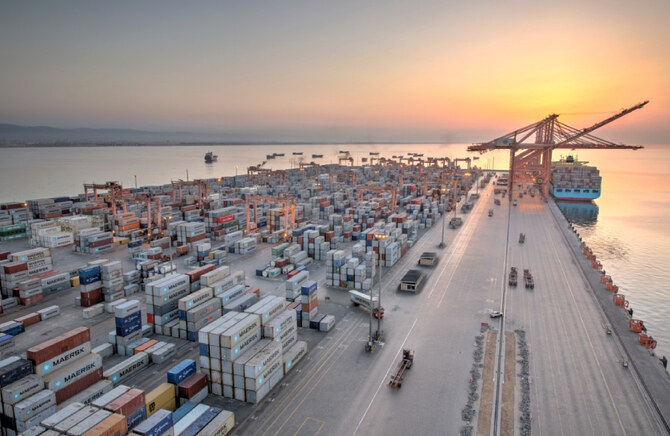
Nevertheless, Oman’s strategic location along key shipping routes offers advantages for trade expansion beyond oil. Logistics, ports, and free zones present opportunities to capture new markets and diversify export portfolios. By leveraging these advantages, Oman can gradually offset the decline in traditional oil exports and boost overall trade performance.
Strategies for Trade Surplus Recovery
Oman can adopt several strategies to restore trade surplus growth. Expanding non-oil exports, promoting innovation in manufacturing, and enhancing logistics efficiency are among the critical steps. Investments in renewable energy and sustainable industries can also open doors for new trade opportunities in emerging markets.
Furthermore, strengthening regional trade partnerships and participating in international trade agreements can improve market access for Omani products. Digital transformation and e-commerce adoption can enhance competitiveness and allow small and medium enterprises to reach global buyers more efficiently.
Lessons from the Decline
The 42% drop in trade surplus offers valuable lessons for Oman. First, reliance on a single export commodity creates vulnerability. Second, diversification efforts, while promising, require patience and continuous investment. Third, global economic shifts demand proactive policies to remain competitive in international markets.
Policymakers can use this period to recalibrate economic strategies, focus on innovation-driven growth, and improve export quality and value. Businesses, on the other hand, can explore alternative markets and invest in capabilities that reduce exposure to volatile sectors.
Omani Consumer and Investor Perspective
For ordinary citizens and investors, the decline in trade surplus may evoke mixed emotions. On one hand, it reflects temporary economic pressures, while on the other, it highlights the potential for long-term structural improvements. Investors may view diversification efforts positively, recognizing the opportunities emerging from non-oil sectors.
Consumers may benefit from a more balanced economy in the future, with improved job prospects and access to diverse products and services. Public awareness about economic challenges can also foster a more engaged society that participates actively in shaping the nation’s growth path.
The Road Ahead
Oman’s economic journey continues despite the temporary setback in trade surplus. The $10 billion figure, while lower than previous years, still reflects substantial export performance. The key lies in leveraging current challenges to strengthen resilience, diversify income streams, and foster sustainable growth.
Policy reforms, infrastructure development, and strategic partnerships will play crucial roles in achieving these objectives. Oman’s government and private sector must work collaboratively to ensure that trade surplus recovery aligns with broader economic goals, including job creation, social welfare, and environmental sustainability.
Conclusion
The 42% decline in Oman’s trade surplus underscores the complexities of an oil-dependent economy in a rapidly changing global market. While weaker oil exports have impacted figures, the situation also highlights the importance of economic diversification, strategic planning, and resilience-building.
Oman’s future trade growth depends on its ability to adapt to global trends, expand non-oil exports, and leverage its strategic location for trade advantages. The current challenges, though significant, are not insurmountable. By focusing on innovation, sustainable development, and economic resilience, Oman can navigate this period successfully and build a robust foundation for long-term prosperity.
Do follow Gulf Magazine on Instagram.
Also Read – Oman-France Economic Collaboration Achieves Record-Breaking Growth

