

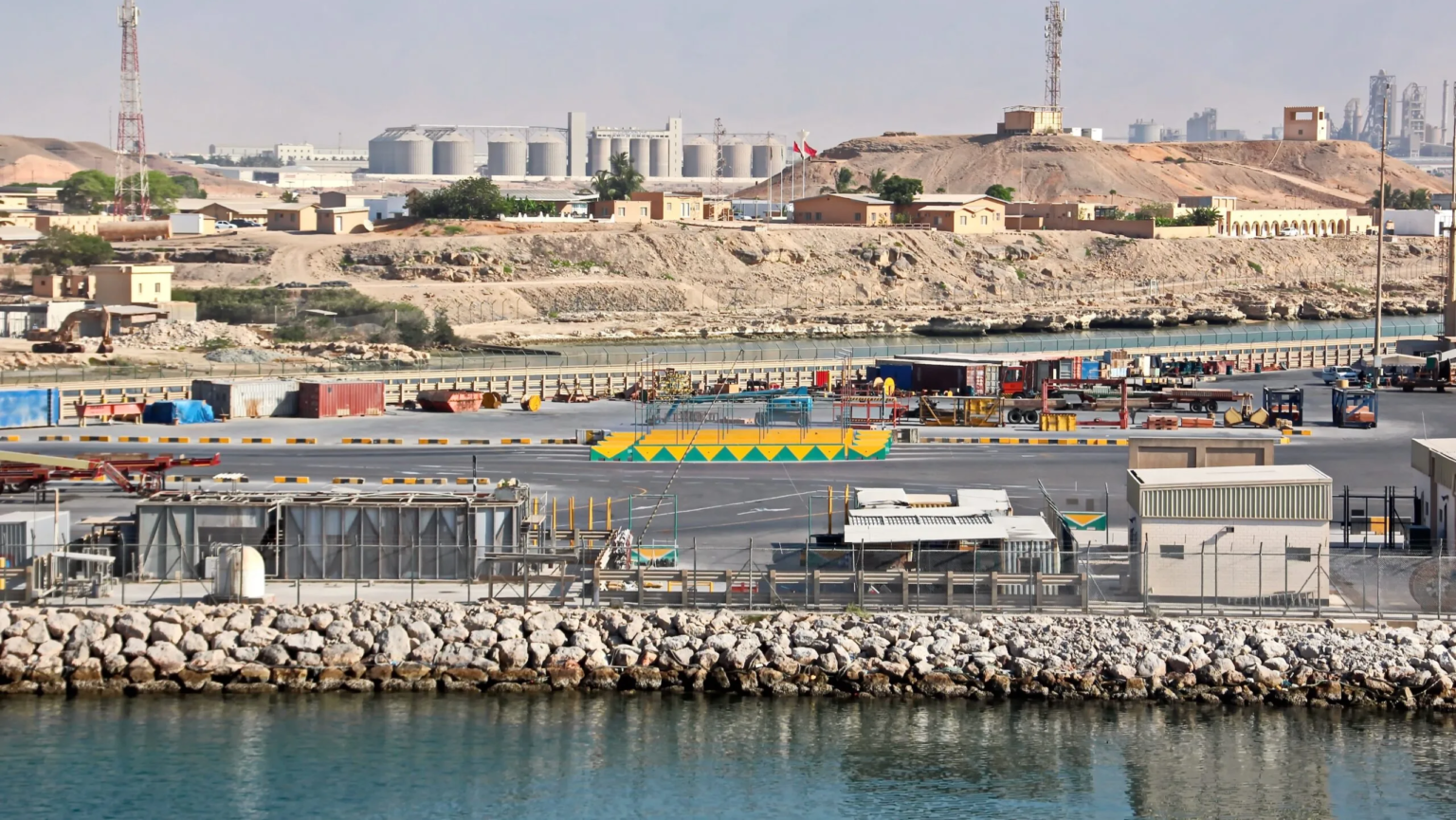
Oman has taken a bold step toward diversifying its economy by announcing plans to develop free-zone projects worth $2.5 billion. The initiative is designed to strengthen the Sultanate’s position as a regional hub for trade, logistics, and investment. With oil revenues becoming increasingly volatile, Oman is strategically pivoting toward sectors that promise long-term economic sustainability.
The free-zone projects are expected to create an attractive environment for both local and international investors. By offering competitive incentives, streamlined regulations, and state-of-the-art infrastructure, is sending a clear signal that it is open for business. This development is not only about generating revenue but also about fostering innovation, creating jobs, and enhancing the country’s global economic standing.
Strategic Locations for Free-Zone Projects
Oman’s free-zone projects are planned across strategic locations that leverage the country’s unique geographic advantages. Ports, industrial hubs, and logistics centers are all being considered to maximize trade connectivity and supply chain efficiency.
One of the key free zones is expected to be near major seaports, which will provide seamless access to international markets. These locations are particularly attractive for industries such as manufacturing, logistics, and e-commerce. By situating free zones near transportation hubs, Oman ensures that goods can move swiftly across borders, reducing costs and increasing competitiveness.
Additionally, some projects are being designed with a focus on innovation and technology. Dedicated zones for startups and tech companies will provide modern facilities, research centers, and incubation spaces to support new businesses and entrepreneurial growth.
Economic Benefits of Free-Zone Development
The $2.5 billion investment in Oman’s free-zone projects is expected to generate substantial economic benefits. Firstly, it will attract foreign direct investment (FDI) by creating a business-friendly environment. International companies seeking a base in the Middle East will find Oman’s free zones an appealing option due to favorable tax incentives, simplified licensing, and supportive government policies.
Secondly, these projects will create thousands of job opportunities across various sectors. Skilled and semi-skilled laborers, professionals, and technical experts will benefit from new employment options, boosting local livelihoods and stimulating economic growth.
Moreover, the free zones will enhance Oman’s industrial base by encouraging diversification into non-oil sectors. Manufacturing, logistics, technology, and renewable energy industries are expected to thrive within these zones, reducing dependence on traditional revenue streams.
Focus on Innovation and Technology
Oman is not merely focusing on traditional industrial development; the free-zone projects will integrate technology and innovation at their core. Modern infrastructure, smart systems, and digital platforms will be key features, making Oman a competitive destination for tech-driven businesses.
Innovation hubs within the free zones will provide incubation for startups, mentorship programs, and access to venture capital. By fostering a culture of innovation, Oman aims to position itself as a forward-looking economy capable of attracting high-value industries and nurturing entrepreneurial talent.
Digital infrastructure will also facilitate seamless operations for international businesses, allowing companies to manage global operations efficiently. The adoption of smart logistics, automated systems, and advanced data analytics will be crucial in supporting Oman’s ambition to become a regional economic leader.
Supporting Policies and Incentives
To encourage investment, the Omani government is offering an array of incentives. These include tax exemptions, streamlined licensing procedures, and customs advantages for businesses operating within free zones.
Investors will also benefit from simplified visa regulations, access to world-class facilities, and supportive legal frameworks. These measures are intended to make Oman one of the most attractive destinations for foreign investment in the region.
Government policies are designed not only to attract large-scale international corporations but also to support small and medium enterprises (SMEs). These businesses are expected to play a crucial role in driving innovation, creating jobs, and contributing to the Sultanate’s economic resilience.
Job Creation and Skill Development
The free-zone projects are expected to generate employment across multiple sectors, from logistics and manufacturing to technology and professional services. This will provide opportunities for both local talent and expatriates, fostering knowledge transfer and skill development.
Educational institutions and training centers will be closely integrated with the free zones to ensure a steady pipeline of skilled professionals. By aligning workforce development with industry needs, Oman is preparing its population to participate actively in high-value sectors.
Skill enhancement initiatives, vocational training, and professional certification programs will empower Omani citizens to benefit directly from the economic opportunities generated by these projects. This approach ensures that development is inclusive and sustainable, supporting long-term prosperity.
Boosting Trade and Regional Connectivity
One of the most significant advantages of free-zone development is the boost it provides to trade and regional connectivity. By situating projects near major ports and transportation hubs, Oman aims to facilitate international commerce and strengthen its position in global supply chains.
Free zones will simplify customs procedures, reduce bureaucratic hurdles, and allow goods to move swiftly across borders. This will make Oman an attractive hub for international companies seeking efficient trade routes in the Middle East, Africa, and Asia.
Regional connectivity is further enhanced by strategic partnerships with neighboring countries. Oman’s free zones are expected to integrate with regional trade networks, providing businesses with access to broader markets and investment opportunities.
Sustainability and Green Initiatives
Oman’s free-zone projects are being designed with sustainability in mind. Green building standards, energy-efficient infrastructure, and renewable energy integration will be key components of these developments.
The emphasis on sustainability aligns with global investment trends, attracting companies that prioritize environmentally responsible operations. By incorporating green initiatives, Oman not only protects its natural resources but also enhances the appeal of its free zones to forward-thinking investors.
Sustainable logistics, waste management systems, and eco-friendly industrial practices will further reinforce Oman’s commitment to responsible development. This approach ensures that economic growth is balanced with environmental stewardship.
Long-Term Economic Vision

The $2.5 billion free-zone initiative is part of Oman’s broader long-term economic vision. By investing in infrastructure, technology, and human capital, Oman is positioning itself as a dynamic and resilient economy.
Free zones will serve as catalysts for innovation, trade, and investment, ultimately contributing to GDP growth and job creation. These projects reflect a strategic approach to diversification, moving away from oil dependency and embracing a modern, knowledge-driven economy.
The government’s proactive role in facilitating investment, providing incentives, and fostering a business-friendly environment demonstrates Oman’s commitment to sustainable economic growth. By creating conditions for success, Oman is attracting investors, entrepreneurs, and skilled professionals from around the world.
Opportunities for Investors and Entrepreneurs
Investors and entrepreneurs stand to benefit immensely from Oman’s free-zone projects. The combination of strategic location, modern infrastructure, and government incentives creates a unique investment climate.
Entrepreneurs can leverage free zones to access global markets, test new business models, and collaborate with international partners. Investors gain exposure to high-growth sectors, including logistics, manufacturing, technology, and renewable energy.
The free zones are also expected to facilitate joint ventures, partnerships, and innovation-driven enterprises, fostering a vibrant ecosystem that supports economic diversification and long-term competitiveness.
Conclusion: Oman’s Path to Economic Transformation
Oman’s $2.5 billion free-zone development is more than just an investment project; it is a transformative initiative that redefines the country’s economic future. By creating modern, investor-friendly zones, Oman is enhancing trade, attracting investment, generating jobs, and fostering innovation.
With a strategic focus on sustainability, technology, and human capital, these projects reflect Oman’s commitment to long-term growth and diversification. As the free zones take shape, the Sultanate is poised to emerge as a regional hub for business, trade, and innovation, setting a benchmark for economic transformation in the Middle East.
Oman’s vision is clear: build a thriving, diversified economy that benefits citizens, attracts global investors, and secures a prosperous future for generations to come.
Do Follow Gulf Magazine on Instagram
Read More:- Iraq’s High-Level Visit Sparks Powerful Progress at WCC 2025

