


The Soul of Omani Architecture
Oman’s architecture is more than stone, wood, and mortar it is a living reflection of the country’s rich history, deep-rooted traditions, and unique cultural identity. From the desert fortresses to the coastal mosques, each building tells a story, carrying the legacy of generations. The architecture of Oman does not merely serve functional purposes; it expresses artistry, resilience, and a harmonious relationship with the natural environment.
The fusion of local materials, traditional craftsmanship, and regional influences gives Omani architecture a distinctive character that has captivated travelers, historians, and architects alike. Walking through the streets of Muscat or exploring the mountain villages of Jebel Akhdar, one can witness how history and tradition breathe through every arch, tower, and courtyard.
Historical Influences on Omani Architecture
Oman’s architecture is deeply influenced by its history as a hub of trade, maritime activity, and strategic importance in the Arabian Peninsula. Centuries of interaction with traders from India, Persia, East Africa, and Europe left visible marks on architectural styles while preserving core Omani elements.
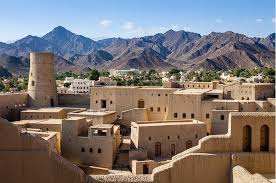
Fortresses and castles, often built atop hills and mountains, were constructed to protect the land from invasions and control trade routes. These structures, characterized by thick walls, intricate towers, and strategic layouts, showcase not just military ingenuity but also the artistic sensibilities of the era.
Mosques and religious buildings also reflect historical evolution. While adopting Islamic architectural principles, Omani mosques incorporate local stonework, decorative wooden doors, and domes that blend seamlessly with the surrounding landscapes. These buildings serve as living reminders of the spiritual and communal life that has shaped Omani society over centuries.
The Role of Climate and Environment in Design
Omani architecture is deeply rooted in the principles of sustainability and environmental adaptation. The country’s diverse climate from arid deserts to mountainous regions has influenced building materials and design techniques.
Traditional homes in Oman often feature thick mud-brick walls and high ceilings to keep interiors cool in the scorching desert heat. Courtyards and wind towers, called “barjeel,” were designed to harness natural airflow and create comfortable living spaces. These features are not merely practical; they are aesthetically integrated, demonstrating the Omani ability to merge functionality with beauty.
Coastal areas, exposed to humidity and saline winds, developed buildings with coral stone and lime plaster, protecting structures while creating a striking visual appeal. This sensitivity to the environment highlights Omani architects’ understanding of local conditions, centuries before modern sustainability concepts emerged.
Iconic Forts and Castles: Guardians of History
Oman is renowned for its forts and castles, which stand as silent witnesses to the country’s historical journey. Each fortress reflects a story of resilience, strategic thinking, and cultural pride.
The Nizwa Fort, with its massive cylindrical tower, is a prime example of defensive architecture fused with elegant design. Al Jalali and Al Mirani forts in Muscat showcase Portuguese influence while maintaining Omani traditional elements, symbolizing the blend of local and foreign architectural practices.
These forts were not merely military structures they were administrative centers, symbols of authority, and spaces of community interaction. The careful attention to decorative details, geometric patterns, and functional design reveals the depth of Omani craftsmanship and cultural expression.
Traditional Omani Homes: Simplicity Meets Elegance
Traditional Omani houses reflect simplicity and elegance, designed for family life and communal harmony. Houses often feature central courtyards, shaded verandas, and ornamental wooden doors that speak volumes about the artistry and aesthetics of everyday life.
The use of natural materials such as stone, clay, and palm wood connects homes to their environment, creating a sense of belonging and continuity. Courtyards serve as spaces for family gatherings, prayer, and social activities, emphasizing the importance of community and tradition in Omani culture.
Even within their simplicity, Omani homes express a careful balance between privacy and openness, functionality and decoration, creating living spaces that are both practical and culturally meaningful.
Mosques: Spirituality Embodied in Architecture
Mosques in Oman are central to community life and spiritual practice. They are designed not only to accommodate prayer but also to reflect Omani artistic sensibilities.
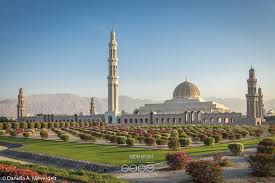
Domes, minarets, and intricately carved wooden doors are common features, but each mosque also reflects local traditions in its materials, colors, and patterns. The Sultan Qaboos Grand Mosque in Muscat exemplifies this blend of grandeur and cultural authenticity, with its expansive prayer hall, detailed mosaics, and harmonious design that resonates with visitors and worshippers alike.
The architecture of mosques emphasizes tranquility, reflection, and connection to both faith and heritage. By integrating local artistry and materials, Omani mosques serve as living embodiments of the nation’s history and spiritual values.
Preserving Tradition in Modern Times
Despite rapid modernization, Oman has maintained a careful balance between embracing new technologies and preserving its architectural heritage. Urban development in Muscat and other cities often incorporates traditional motifs, colors, and forms, ensuring continuity between past and present.
Restoration projects of forts, mosques, and old town areas highlight Oman’s commitment to conserving history while making spaces functional for contemporary use. Even modern homes, hotels, and public buildings often feature wind towers, decorative elements, and courtyards inspired by traditional designs, showing that Omani architecture is not frozen in time but evolves while staying rooted in tradition.
This conscious preservation of cultural identity demonstrates the pride Omanis have in their history and their understanding of architecture as a bridge between past and present.
The Symbolism Behind Architectural Elements
Many elements in Omani architecture carry symbolic meaning beyond their functional roles. Towers and fortifications symbolize protection and strength, while geometric patterns and decorative carvings reflect cultural beliefs, artistic expression, and even religious devotion.
Colors and materials are carefully chosen to blend with the surrounding landscape, creating harmony between human construction and nature. Courtyards and communal spaces emphasize social cohesion, showing that architecture in Oman is as much about community and identity as it is about shelter.
Through these symbolic elements, Omani architecture communicates values, stories, and traditions across generations, making each building a cultural narrative in itself.
Conclusion: Living Heritage Through Architecture
Omani architecture is a living testament to the nation’s rich history, cultural values, and artistic heritage. From majestic forts and serene mosques to modest traditional homes, every structure reflects resilience, creativity, and an enduring connection to the past.
In a world of rapid modernization, Oman has managed to preserve the essence of its architectural heritage, ensuring that history is not just remembered but experienced daily. The buildings of Oman are more than bricks and stone they are storytellers, guardians of tradition, and symbols of a proud and vibrant culture.
Through its architecture, Oman invites the world to witness a remarkable journey of history, tradition, and timeless beauty, proving that the past can coexist gracefully with the present and inspire the future.
Do follow Gulf Magazine on Instagram.
Also Read – Explore the Best Sights and Experiences in Muscat Today

