

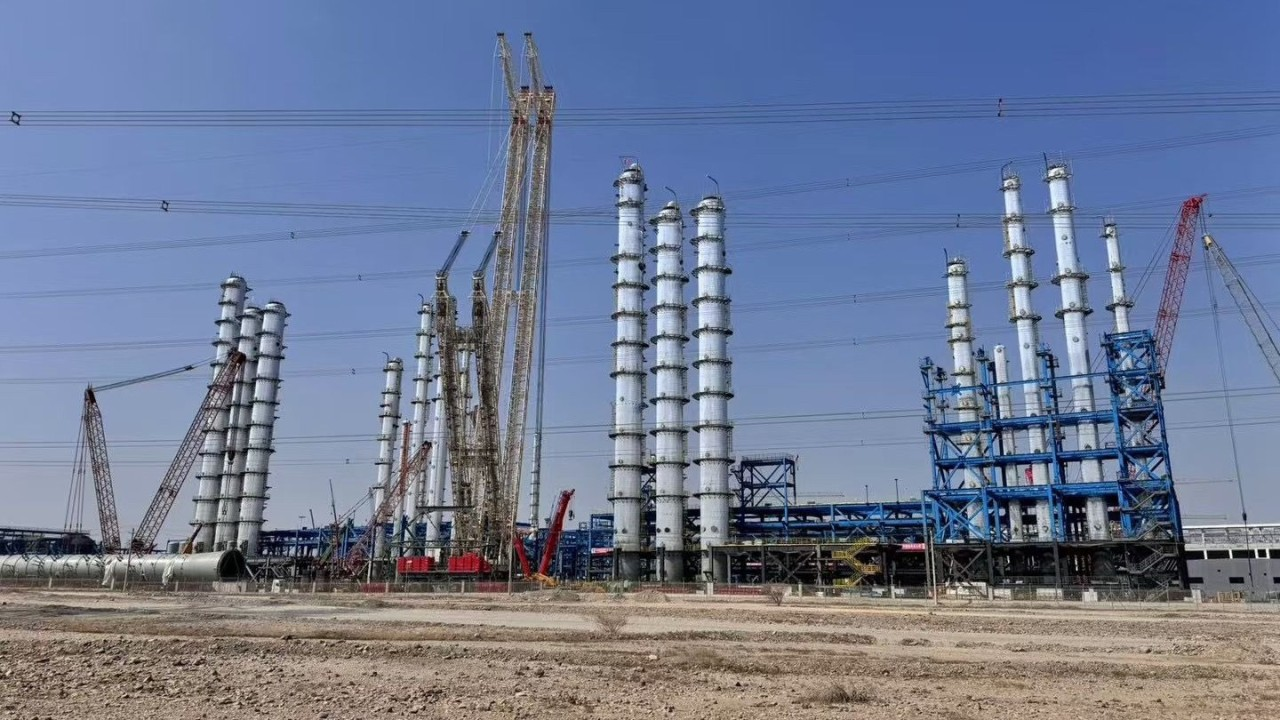
Oman has taken another confident step toward diversifying its economy with the announcement of a $220 million financial boost for a new polysilicon manufacturing facility. This project stands as a milestone for the nation’s long-term strategy to lead in renewable energy materials, especially as global demand for solar technology continues to rise. The investment not only strengthens Oman’s industrial capabilities but also signals its readiness to compete on the global stage in the rapidly expanding green-tech sector.
For a country that has been steadily shifting away from dependence on hydrocarbons, this funding represents both economic promise and technological ambition. It highlights how Oman is shaping its future around innovation, sustainability, and high-value industries, becoming a preferred hub for advanced manufacturing across the region.
Why Polysilicon Matters in Today’s World
Polysilicon is the backbone of the global solar panel industry. As nations worldwide accelerate their transition toward renewables, solar energy installations are soaring, and the demand for high-quality polysilicon has never been higher. By establishing a strong local production base, Oman positions itself at the heart of this global shift.
Producing polysilicon domestically means the country can directly tap into one of the most profitable clean-energy supply chains. It reduces the region’s reliance on imports, builds technological self-sufficiency, and opens doors for Oman to become a major exporter of raw materials essential for producing solar photovoltaic (PV) modules and semiconductors.
The new facility, backed by this significant investment, is projected to serve both domestic and international markets, enhancing the competitiveness of the solar energy ecosystem across the Middle East and beyond.
A Project Aligned With Oman Vision 2040
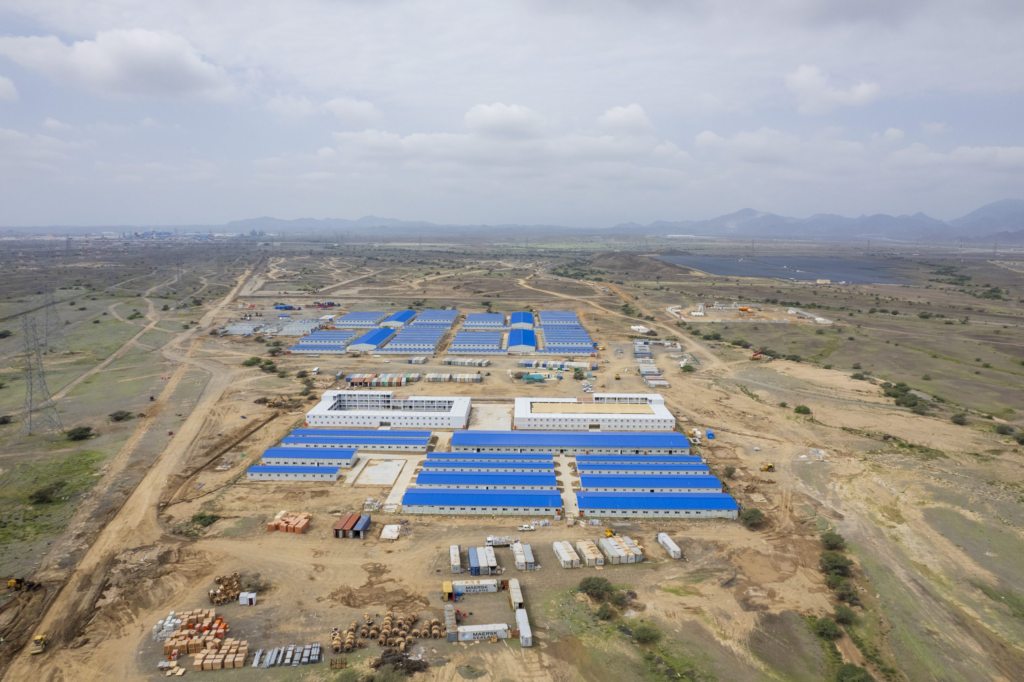
The timing and scale of the investment blend seamlessly with Oman Vision 2040—the nation’s long-term development roadmap that prioritizes economic diversification, sustainability, innovation, and employment creation. The polysilicon plant reflects all four priorities by establishing a new industrial sector, reducing carbon intensity, introducing cutting-edge manufacturing techniques, and generating new job opportunities.
Oman Vision 2040 calls for boosting non-oil sectors and attracting global investors. This major funding announcement indicates strong confidence from stakeholders in the country’s stable economic environment and its commitment to building globally competitive industries. It sends a clear message that Oman is not just adapting to global sustainability trends but actively shaping them.
Technology, Efficiency, and the Race for Solar Dominance
Producing polysilicon requires advanced technology and precise processes to ensure purity levels that meet strict global standards. The investment will support the development of state-of-the-art facilities capable of producing high-purity polysilicon for solar modules and electronic components.
The plant is expected to deploy cutting-edge chemical vapor deposition (CVD) technologies that ensure efficiency, reduce emissions, and maintain consistency in output. With global solar installations expanding at a record-breaking pace each year, high-quality polysilicon has become a competitive commodity, and manufacturers who maintain precision and purity hold a decisive advantage.
Oman’s entry into this space signals confidence that it can produce polysilicon that meets the exacting requirements of global solar manufacturers. If successful, the country may soon become one of the region’s leading suppliers of solar-grade materials.
Impact on Job Creation and Skills Development
Beyond its industrial impact, the project carries immense social and economic value for local communities. With a significant portion of the operational workforce expected to be Omani nationals, the facility will help build a homegrown talent pool in engineering, chemical processing, manufacturing, and industrial management. These are high-value skillsets aligned with the jobs of the future.
Training programs, academic collaborations, and technical partnerships are expected to be part of the plant’s workforce strategy. For young Omanis seeking stable, well-paying careers in advanced industries, the polysilicon project offers an exciting path forward.
The project’s multipliers will also benefit small and medium enterprises (SMEs), logistics providers, construction contractors, equipment suppliers, and service companies, strengthening Oman’s broader economic ecosystem.
Driving Sustainability in the Middle East
The Middle East continues to work toward diversifying its energy sources and contributing to global climate goals. Oman’s polysilicon plant contributes directly to this mission by strengthening the regional solar supply chain. The more access manufacturers have to key solar materials, the faster renewable energy projects can be developed.
Oman’s expansion into this field also positions it as a clean-energy ally to neighboring countries. As Gulf nations push forward mega solar parks and carbon-neutrality targets, a strong regional polysilicon supplier will prove essential.
Additionally, this project helps reduce the environmental footprint associated with importing large quantities of solar materials from distant suppliers. It supports shorter supply chains, lower emissions, and more efficient production cycles.
Long-Term Economic Impact and Global Reach
The $220 million investment is expected to yield long-term economic returns for Oman. The factory will not only generate revenue from exports but also attract future investments in downstream industries such as wafer production, module assembly, and semiconductor manufacturing.
By establishing itself early in this rapidly evolving market, Oman gains a competitive edge. Countries that control key materials often gain valuable strategic influence in energy markets. As the world increasingly prioritizes clean energy, polysilicon has become a commodity of strategic importance.
For international investors, Oman offers stability, infrastructure, and a clear long-term vision—elements that make the polysilicon project a stepping stone for more advanced industrial ventures in the future.
Strengthening Oman’s Position in Global Clean-Tech Supply Chains
With global interest shifting toward green supply chains, countries that invest early in clean-tech materials stand to benefit the most. Oman’s polysilicon plant helps it secure a meaningful place in these emerging supply chains, giving the country access to lucrative markets across Asia, Europe, and the Americas.
Its strategic location along key maritime routes enhances the export potential of the factory, allowing it to efficiently supply some of the world’s fastest-growing solar markets. From the Indian subcontinent to Africa and beyond, Oman could emerge as a regional gatekeeper of solar materials.
The project’s success may inspire additional investments in hydrogen, battery materials, and other renewable energy technologies, making Oman a comprehensive clean-tech hub for the region.
A Symbol of Confidence in Oman’s Industrial Future
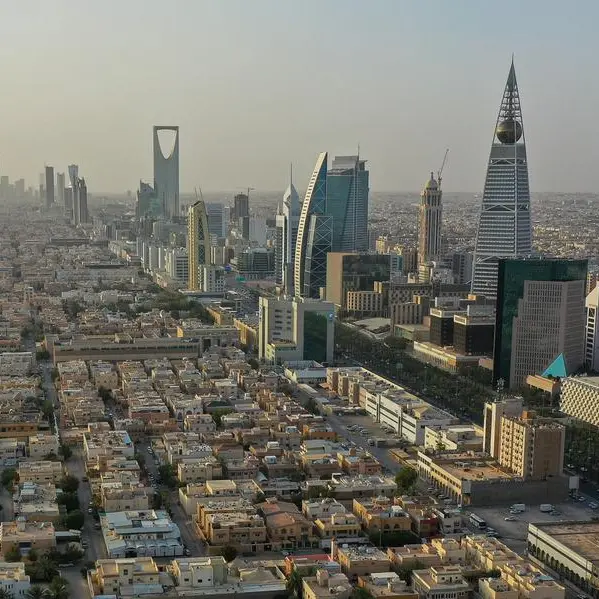
The $220 million funding milestone is more than a financial achievement—it is a symbol of confidence in Oman’s industrial future. Investors, stakeholders, and policymakers recognize the country’s potential to innovate and contribute meaningfully to global sustainability targets.
This project reflects the resilience and forward-thinking mentality that has become central to Oman’s development journey. In a world increasingly defined by technological shifts and environmental responsibilities, Oman demonstrates that strategic investments can unlock new possibilities and empower future generations.
Conclusion: A Powerful Step Toward a Greener Tomorrow
The new polysilicon manufacturing facility marks a monumental moment for Oman. With its $220 million investment, the project strengthens the nation’s industrial capabilities, aligns with global sustainability goals, and creates opportunities for economic growth and human development.
The factory is more than a facility—it is a commitment to the future. It embodies Oman’s ambition to become a regional leader in renewable energy materials and reflects the country’s determination to build a cleaner, brighter, and more sustainable tomorrow.
Oman’s journey into polysilicon production is just beginning, but its potential impact is vast. As the world moves toward clean energy, Oman is positioning itself not just to participate, but to lead.
Do Follow Gulf Magazine on Instagram
Read More:- Oman’s Bold Visa-Free Move Unlocks Exciting Travel Freedom for Filipinos 2025

