

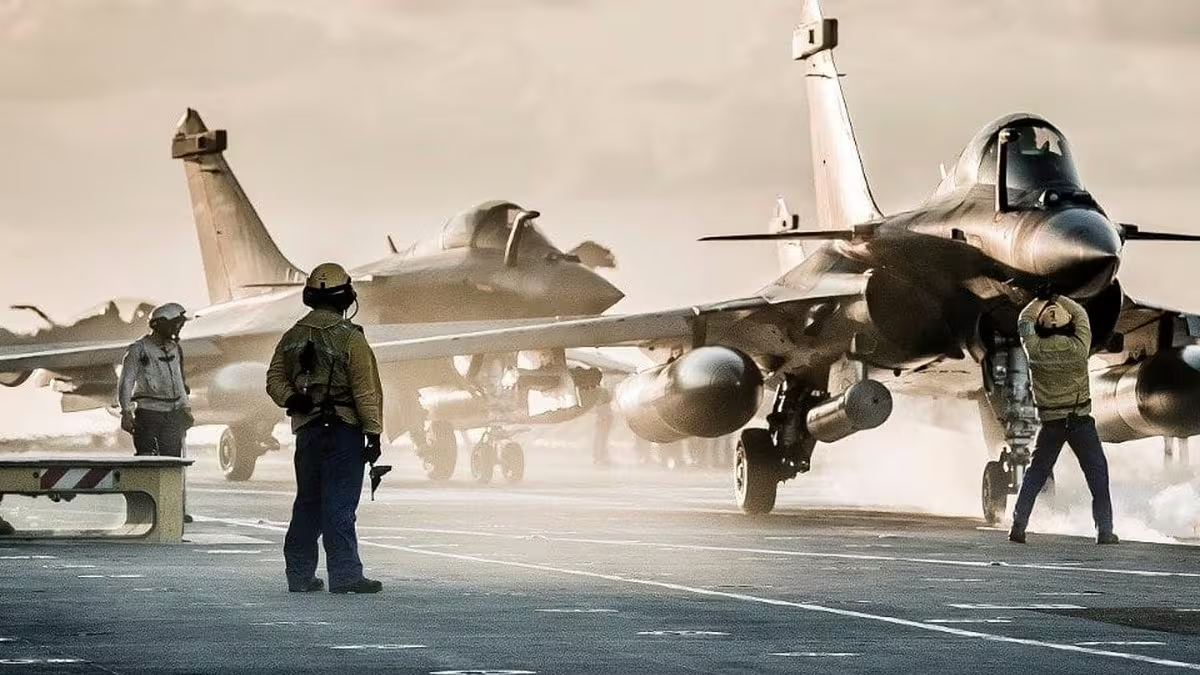
The silent strength of an air force is often hidden behind hangar doors, in the form of spare parts, maintenance crews, and strategic partnerships. In a significant show of defence cooperation, Oman has handed over 20 Jaguar fighter jets to India, offering much-needed relief to the Indian Air Force (IAF) as it struggles to keep its aging Jaguar fleet operational. This move may not involve combat-ready aircraft taking to the skies, but its impact on India’s air readiness could be just as powerful.
A Quiet but Strategic Defence Move
The transfer of 20 retired Jaguar aircraft from Oman to India marks a practical and timely response to a challenge the IAF has been managing for years.
The IAF’s Jaguar fleet has been a cornerstone of its deep-strike capability since the aircraft was inducted decades ago. However, with advancing age, maintenance complexity has increased, and sourcing spare parts has become increasingly difficult. Oman’s decision to hand over its Jaguars—primarily to be used for components and spares directly addresses one of the most pressing operational issues faced by the IAF today.
Rather than letting retired aircraft sit idle, this strategic reuse reflects a growing emphasis on sustainability, efficiency, and mutual benefit in defence relationships.
Why the Jaguar Still Matters to the IAF
A Proven Workhorse with Enduring Value
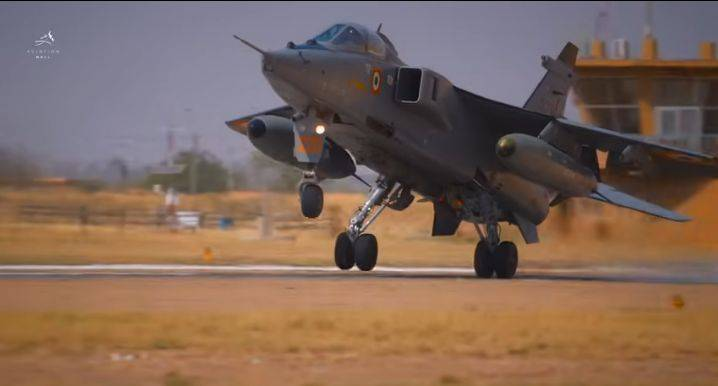
Despite its age, the Jaguar remains a vital platform in the IAF’s inventory. Designed for deep-penetration strike missions, the aircraft is valued for its low-level flight capability, payload capacity, and operational reliability when properly maintained.
Over the years, the IAF has invested significantly in upgrades to extend the aircraft’s service life. These include avionics improvements, enhanced navigation and attack systems, and better cockpit interfaces. Yet even the most advanced upgrades cannot fully offset the reality of aging airframes and dwindling parts availability.
This is where Oman’s handover becomes crucial.
Keeping Squadrons Flight-Ready
The availability of airworthy spares directly translates into higher aircraft availability rates. Engines, landing gear components, avionics modules, and structural parts recovered from the Omani Jaguars can help keep Indian Jaguars operational for years to come.
For pilots and ground crews, this means fewer grounded jets and greater confidence in mission readiness.
Oman–India Defence Ties: A Relationship Built on Trust
Beyond Diplomatic Statements
India and Oman share a long-standing defence relationship that extends well beyond formal agreements. Regular joint military exercises, naval cooperation, and access arrangements have strengthened strategic trust between the two nations.
The Jaguar handover highlights a partnership that is practical rather than symbolic. It shows how defence cooperation can evolve into tangible support during times of operational need.
A Gesture with Regional Significance
Oman has traditionally played a balanced and stable role in regional geopolitics. Supporting India’s air force capability aligns with Oman’s broader approach of fostering cooperative security relationships without escalating tensions.
For India, the gesture reinforces its growing defence engagement with trusted partners in the Gulf region.
The IAF’s Aging Fleet Challenge
A Broader Issue Across Platforms
The Jaguar story is not an isolated case. Across multiple aircraft types, the IAF faces the challenge of managing legacy platforms while simultaneously inducting newer systems.
Delays in fighter acquisition programs, coupled with extended service lives of existing aircraft, have placed pressure on maintenance systems and logistics chains. Aircraft that were never designed to fly for several decades are now doing exactly that, thanks to meticulous upkeep and periodic upgrades.
However, extending service life requires spare parts, technical documentation, and donor airframes—resources that are becoming increasingly scarce globally.
Why Donor Aircraft Are a Smart Solution
Procuring retired aircraft for spares is a well-established practice among air forces worldwide. Donor jets provide an immediate and cost-effective source of components without the long lead times involved in manufacturing new parts for discontinued production lines.
In the case of the Jaguar, with multiple operator nations having phased out the aircraft, donor airframes like those from Oman are especially valuable.
What the Transfer Means on the Ground
Faster Repairs and Reduced Downtime
With access to additional spare parts, maintenance crews can reduce turnaround times for repairs. Aircraft grounded due to minor component shortages can return to service faster, improving overall squadron strength.
This directly impacts training schedules, operational deployments, and contingency preparedness.
Cost-Effective Fleet Sustainment
Compared to designing new parts or importing limited supplies at premium costs, cannibalizing parts from donor aircraft is significantly more economical.
This approach allows the IAF to allocate resources more efficiently while continuing to modernize other areas of its fleet.
Looking Ahead: Balancing Old and New
Jaguars as a Bridge to the Future
The IAF is in the middle of a generational transition. While new fighters are being inducted and others planned, platforms like the Jaguar continue to serve as a bridge—ensuring operational capability is maintained until replacements are fully operational.
Oman’s aircraft handover strengthens that bridge, buying the IAF valuable time.
Lessons for Future Fleet Management
The move also highlights the importance of planning for long-term sustainment at the time of induction itself. As India looks ahead, lessons from the Jaguar experience may shape how future fleets are supported, upgraded, and eventually phased out.
Human Stories Behind the Machines
Engineers, Technicians, and Pilots
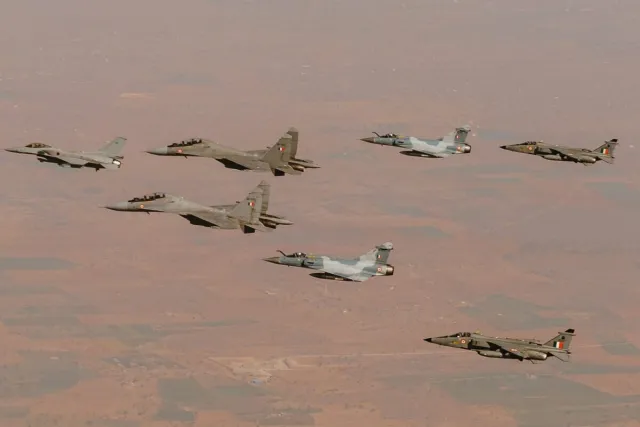
Behind every operational jet stands a team of dedicated professionals. For maintenance crews who have worked tirelessly to keep aging Jaguars flying, the arrival of new spares is more than just a logistical boost—it is recognition of their ongoing effort.
For pilots, knowing that aircraft availability will improve brings renewed confidence and focus on mission excellence rather than maintenance uncertainty.
A Practical Win for Both Nations
Oman benefits by responsibly retiring its legacy fleet while strengthening ties with a key partner. India benefits by extending the life of an important strike platform without significant financial strain.
This exchange underscores how defence cooperation does not always need to involve new weapons or high-profile deals. Sometimes, the most effective support comes through quiet, well-timed decisions that keep existing capabilities alive.
Conclusion: Small Decision, Big Impact
The handover of 20 Jaguar jets from Oman to India may not dominate headlines like a new fighter acquisition, but its strategic value is undeniable.
For the Indian Air Force, it means sustained readiness, improved fleet availability, and breathing room as it navigates a complex modernization path. For Oman, it reinforces a reputation as a reliable and thoughtful defence partner.
In an era where air power depends as much on logistics as it does on technology, this move stands as a reminder that cooperation, foresight, and mutual trust can keep wings flying long after production lines have closed.
Do Follow Gulf Magazine on Instagram
Read More:- Gulf Leaders Shape a Bold New Regional Order 2025

