

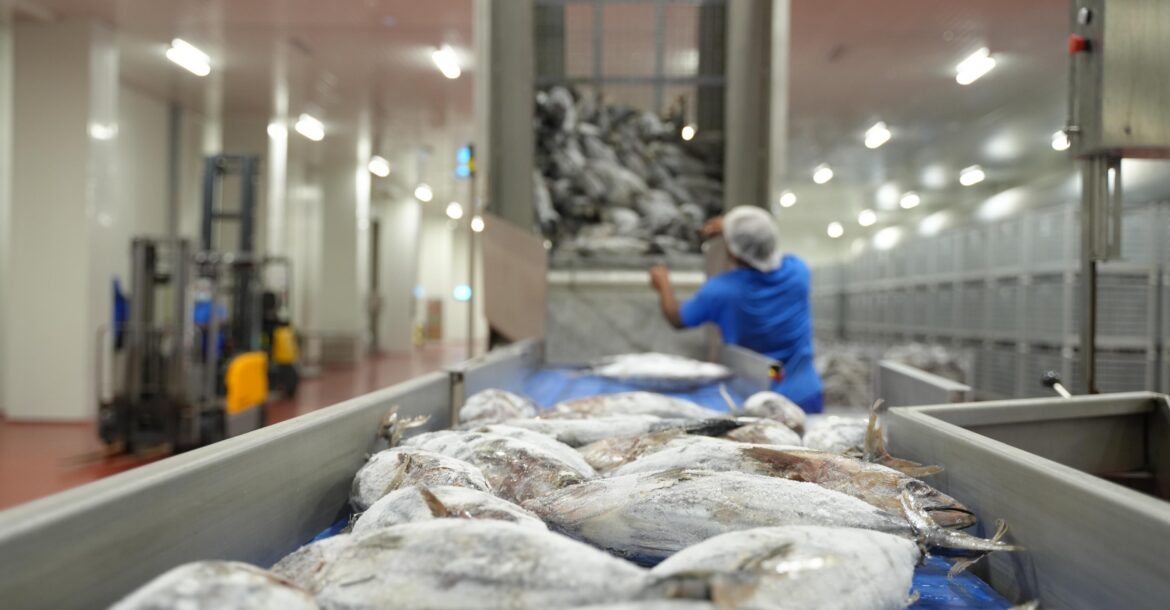
Oman is witnessing a remarkable transformation in its seafood industry, spearheaded by the Oman Investment Authority OIA. The recently established tuna and sardine canning facility is not just another industrial project it represents a strategic vision to strengthen the Sultanate’s position in the global seafood market. With cutting edge technology, sustainable practices, and a focus on quality, this facility is setting new standards for the region.
The OIA’s commitment to diversifying Oman’s economy goes beyond traditional sectors. Seafood, a natural resource in which Oman has always held potential, has now become a strategic focus. By investing in modern processing and canning technologies, the OIA is enabling Oman to compete with some of the largest seafood exporters globally.
Advanced Technology and Sustainable Practices
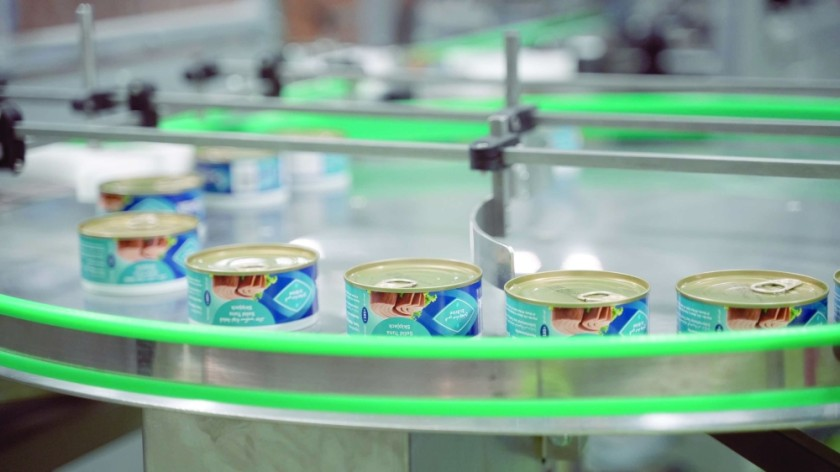
One of the key reasons behind the facility’s rapid rise as a regional leader is its state of the art technology. From modern refrigeration systems to automated canning lines, every aspect of production is designed to maintain the highest standards of hygiene, efficiency, and product quality.
Sustainability is also at the heart of this project. The facility strictly adheres to sustainable fishing practices, ensuring that tuna and sardine stocks are preserved for future generations. By combining responsible sourcing with innovative processing methods, the plant is demonstrating that industrial growth and environmental responsibility can coexist seamlessly.
Creating Economic Opportunities
The impact of this facility extends beyond seafood production. Local communities are benefiting from job creation and skills development. From fishermen to processing plant employees, Omanis are gaining opportunities for stable employment and career growth.
Additionally, the project is supporting local businesses, from packaging suppliers to logistics companies. This integrated approach strengthens Oman’s broader economy while ensuring that the benefits of industrial growth are widely shared.
Exporting Quality to Regional and Global Markets
Oman’s tuna and sardine products are now reaching markets far beyond the Sultanate’s borders. With strict quality control measures, these products have earned the trust of buyers across the Gulf, Asia, and Europe. The facility’s ability to consistently deliver premium seafood has positioned Oman as a reliable exporter in a highly competitive sector.
By targeting both regional demand and global markets, the facility not only boosts Oman’s export revenues but also enhances the country’s reputation as a hub for high quality seafood.
Driving Innovation and Industry Standards
Innovation is a key driver behind the facility’s success. The OIA backed project continuously invests in research and development, exploring new packaging solutions, preservation techniques, and product variants. This commitment to innovation ensures that Oman remains at the forefront of the regional seafood industry.
Moreover, the facility is setting new benchmarks for industry standards. Its focus on hygiene, sustainability, and operational efficiency is influencing other players in the market to adopt similar practices, raising the overall quality and competitiveness of the sector in the region.
Strengthening Oman’s Global Seafood Footprint
The facility’s success is part of a larger strategy to strengthen Oman’s presence in the global seafood market. By combining high quality production, sustainable sourcing, and efficient supply chains, Oman is now recognized as a trusted name for tuna and sardine products.
This growing reputation has attracted attention from international buyers, creating partnerships and collaborations that further enhance Oman’s global footprint. As a result, the Sultanate is emerging as a key player in an industry traditionally dominated by other regions.
Empowering Local Communities and Skills Development
Beyond economic gains, the facility has a strong human dimension. Training programs, workshops, and skill building initiatives are empowering Omani workers, giving them the knowledge and confidence to excel in a modern industrial environment.
By focusing on human capital alongside technology, the project is creating a workforce capable of sustaining long term growth and innovation. This approach ensures that the benefits of industrialization are not limited to profits but extend to people and communities.
Future Prospects and Expansion Plans
Looking ahead, the OIA backed facility has ambitious plans to expand its operations. This includes increasing production capacity, exploring new seafood varieties, and further enhancing export networks. With a focus on continuous improvement, Oman is well positioned to consolidate its leadership in the regional seafood industry.
As the global demand for sustainable and high quality seafood grows, Oman’s facility is expected to play an increasingly significant role, contributing not only to economic growth but also to the country’s strategic vision of diversification and development.
Conclusion
Oman’s tuna and sardine canning facility is a remarkable example of how strategic investment, innovation, and sustainability can transform an industry. Backed by the OIA, the project is elevating Oman’s position in the regional and global seafood markets while creating opportunities for local communities and strengthening the economy.
With its combination of advanced technology, responsible practices, and human focused growth, the facility is not just producing seafood it is shaping the future of Oman’s industrial landscape.
Do follow Gulf Magazine on Instagram.
Also Read – Diabetes Qatar Launches 26th Al-Bawasil Camp for Life-Changing Care

