


Education in the region is no longer confined to classrooms, age limits, or fixed academic stages. As societies adapt to rapid technological change, evolving job markets, and ambitious national development visions, learning has become a lifelong pursuit. Online learning platforms are at the heart of this transformation, enabling individuals to upskill, reskill, and explore new interests at every stage of life.
From young professionals seeking career advancement to retirees pursuing personal enrichment, digital education is reshaping how knowledge is accessed and valued. The rise of online learning platforms across the region reflects a deeper cultural shift toward continuous growth, adaptability, and empowerment.
The Rise of Digital Education Ecosystems
Over the past decade, the region has invested heavily in digital infrastructure, smart cities, and innovation-driven economies. This progress has laid the foundation for strong online education ecosystems that support learners anytime, anywhere. Governments, universities, private companies, and startups are collaborating to create platforms that offer high-quality courses tailored to regional and global needs.
These ecosystems are not limited to academic degrees. They include professional certifications, short courses, micro-credentials, language training, creative skills, and leadership development. By embracing flexible learning models, the region is making education more responsive to real-world demands.
Accessibility Beyond Traditional Boundaries
One of the most powerful impacts of online learning platforms is accessibility. Learners in remote areas, working professionals with limited time, and individuals with mobility challenges can now access the same quality education as those in major urban centers.
Mobile-friendly platforms, multilingual content, and flexible schedules have helped remove barriers that once limited educational participation. This inclusive approach is particularly significant in a region with diverse populations, expatriate communities, and varying educational backgrounds.
Online learning has also opened doors for women, caregivers, and individuals returning to education after long breaks, enabling them to learn without disrupting personal or professional responsibilities.
Supporting Career Growth and Workforce Transformation
As economies diversify and move toward knowledge-based sectors, lifelong learning has become essential for workforce resilience. Online learning platforms play a crucial role in preparing professionals for emerging industries such as artificial intelligence, renewable energy, fintech, healthcare innovation, and digital media.
Employees are increasingly using online courses to gain industry-recognized certifications, improve technical skills, and strengthen soft skills such as communication, leadership, and critical thinking. Employers, in turn, are partnering with platforms to provide customized training programs aligned with organizational goals.
This alignment between education and employment helps reduce skills gaps, boosts productivity, and supports long-term economic competitiveness across the region.
Blending Global Knowledge With Local Context
While many online platforms offer globally recognized content, regional providers are adding local relevance to enhance learning outcomes. Courses often integrate regional case studies, cultural insights, regulatory frameworks, and language options that resonate with learners’ lived experiences.
This blend of global standards and local context ensures that learners gain practical knowledge applicable to their environments. It also helps preserve cultural identity while encouraging innovation and global engagement.
By tailoring content to regional realities, online learning platforms strengthen their impact and foster deeper learner connection.
Lifelong Learning Beyond Professional Goals
Online education is not only about careers. Many learners turn to digital platforms for personal development, wellness, creativity, and intellectual curiosity. Courses in photography, writing, history, mental well-being, financial literacy, and entrepreneurship are attracting learners of all ages.
This shift reflects a broader understanding of education as a lifelong companion rather than a one-time achievement. Learning becomes a source of confidence, fulfillment, and social engagement, enriching lives beyond economic outcomes.
For older learners, in particular, online platforms offer opportunities to stay mentally active, socially connected, and engaged with the changing world.
Technology Enhancing the Human Learning Experience
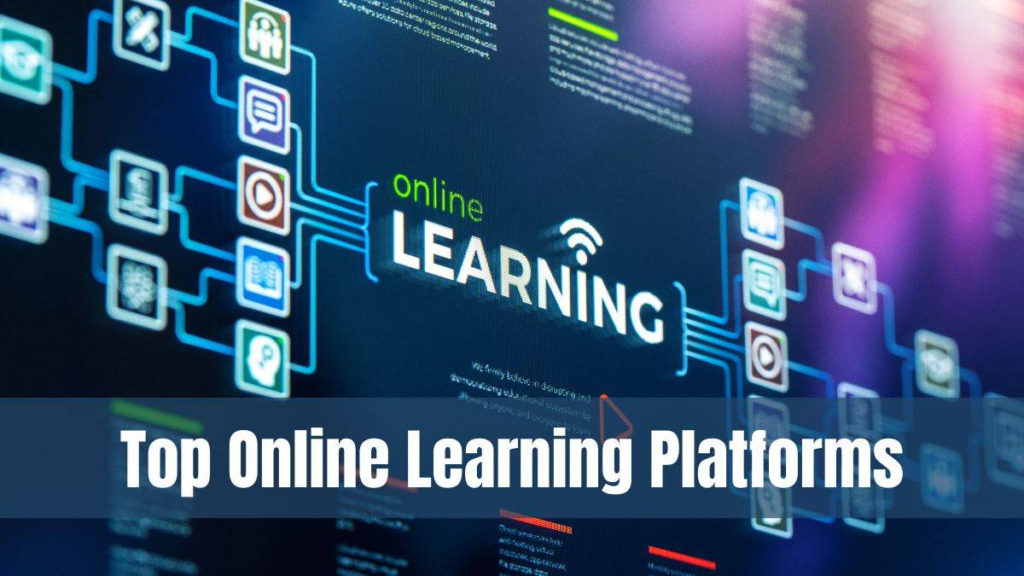
Modern online learning platforms are increasingly using technology to personalize and humanize education. Artificial intelligence helps recommend courses based on interests and goals, while interactive tools such as live discussions, peer feedback, and virtual simulations create a sense of community.
Gamification, progress tracking, and flexible pacing keep learners motivated and accountable. Rather than replacing human interaction, technology is enhancing it by making learning more engaging, supportive, and responsive.
This learner-centered approach helps reduce dropout rates and encourages long-term commitment to education.
Role of Governments and Institutions
Public sector support has been instrumental in expanding online learning across the region. National strategies focused on digital transformation, education reform, and human capital development have accelerated platform adoption.
Universities are increasingly offering online degrees and hybrid programs, while public initiatives promote free or subsidized courses for citizens and residents. These efforts signal a strong commitment to building learning societies where education is accessible throughout life.
By recognizing online learning as a strategic asset, institutions are helping normalize lifelong education as a social and economic priority.
Challenges and Opportunities Ahead
Despite rapid progress, challenges remain. Ensuring consistent quality, maintaining learner engagement, and addressing digital literacy gaps are ongoing concerns. Not all learners adapt easily to self-directed online environments, and continuous support is essential.
However, these challenges also present opportunities for innovation. Improved mentorship models, stronger community features, and better assessment tools are helping platforms evolve. As trust in online credentials grows, digital education will continue to gain legitimacy and influence.
The future points toward more integrated learning journeys that combine online, in-person, and workplace experiences.
A Future Shaped by Continuous Learning
Online learning platforms are redefining what it means to be educated in the region. They support ambition, adaptability, and lifelong curiosity, empowering individuals to navigate change with confidence.
As technology advances and societies evolve, lifelong education will remain a cornerstone of personal success and collective progress. By embracing online learning, the region is investing not only in skills, but in people’s potential to grow, reinvent themselves, and contribute meaningfully at every stage of life.
Do follow Gulf Magazine on Instagram.
Also Read – Digital Classrooms in the Gulf Transform Modern Education

