

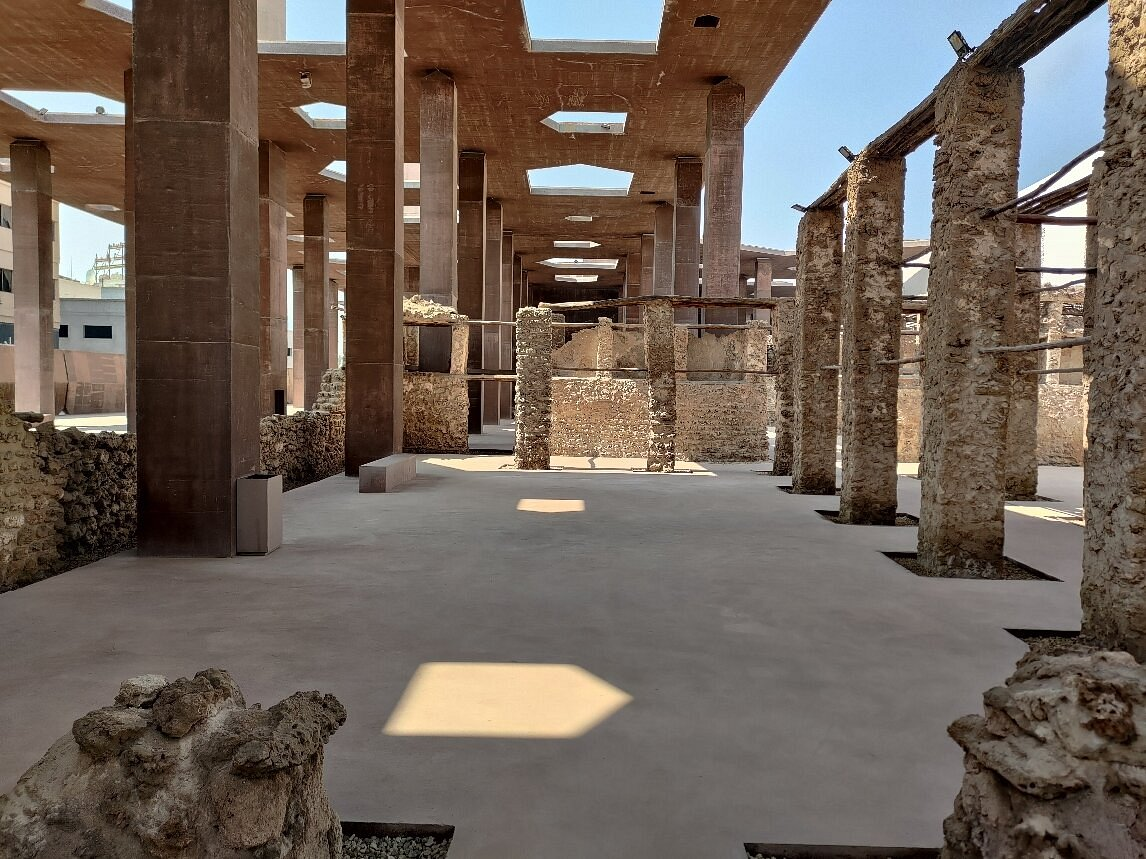
The Pearling Path Sites in Al Muharraq are not just a collection of old buildings or restored streets. They are a deeply human story of ambition, resilience, and community, rooted in Bahrain’s long relationship with the sea. Recognized by UNESCO as a World Heritage Site, this trail offers a rare chance to walk through the physical and emotional landscape of the pearling era that shaped the island’s identity for centuries.
Stretching across the historic heart of Al Muharraq, the Pearling Path connects homes, mosques, shops, warehouses, and coastal areas that once powered one of the world’s most valuable natural pearl industries. Each step along the path brings visitors closer to the lives of divers, traders, craftsmen, and families who depended on pearls not only for wealth, but for survival and pride.
Understanding the Pearling Path Concept
The Pearling Path is unique because it is not confined to a single monument or building. Instead, it is a carefully preserved urban trail that reflects an entire economic and social system. This makes it different from many heritage sites, as it tells a complete story rather than focusing on one moment in time.
The path includes a network of structures spread across Al Muharraq, linking the sea to the homes and markets inland. Together, these sites explain how pearls were sourced, traded, and transformed into symbols of luxury across global markets.
Why UNESCO Recognition Matters
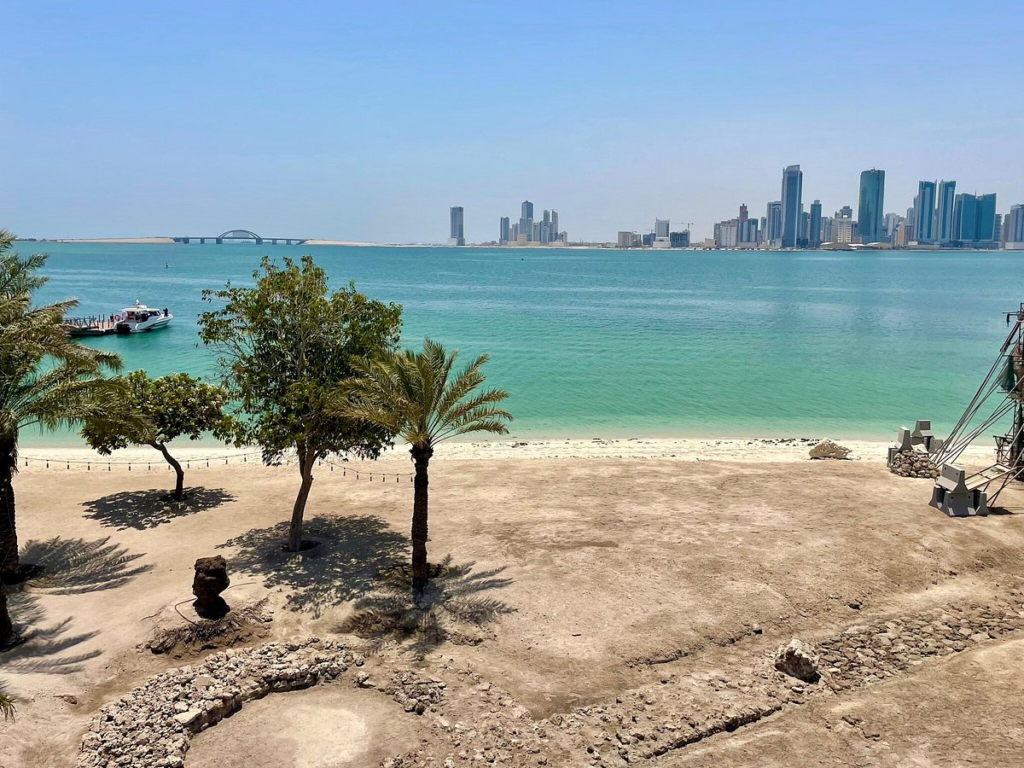
UNESCO recognition highlights the universal value of Bahrain’s pearling heritage. Natural pearls from Bahrain were once considered among the finest in the world, attracting merchants from India, Europe, and the Arabian Peninsula. The Pearling Path preserves this legacy in its original setting, allowing future generations to experience the story where it actually unfolded.
This recognition also helped spark major conservation efforts, ensuring that restoration stayed faithful to traditional architecture and materials rather than turning the area into a modernized replica.
Al Muharraq: The Heart of Pearling Life
Al Muharraq was once the beating heart of Bahrain’s pearling economy. Long before oil transformed the nation, this island city thrived on maritime trade and pearl diving. The narrow streets, coral-stone houses, and shaded courtyards tell stories of daily life shaped by the rhythms of the sea.
Families here lived seasonally, adjusting their routines to the long diving months. Homes were designed to capture breezes, offering relief from the heat and space for extended families who waited anxiously for divers to return safely.
The Role of Community in Pearling Culture
Pearling was never an individual effort. Entire communities were involved, from financiers who funded voyages to craftsmen who prepared equipment, and women who managed households during long absences. The Pearling Path captures this collective spirit by preserving spaces that reflect cooperation and shared responsibility.
Key Pearling Path Sites and Their Significance
The trail includes a carefully curated selection of buildings and open spaces, each representing a different aspect of the pearling industry. Walking through them feels like moving through chapters of a living history book.
Traditional Merchant Houses
Merchant houses along the path reflect both wealth and practicality. Built using coral stone, palm wood, and gypsum, these structures feature wind towers and inner courtyards that kept interiors cool. They also served as business hubs where pearls were graded, valued, and negotiated.
These homes reveal how global trade influenced local architecture, blending Gulf traditions with ideas brought by international merchants.
Mosques and Social Spaces
Mosques along the Pearling Path were central to daily life, offering not just spiritual guidance but social connection. Before and after diving seasons, prayers were offered for safety and success. These spaces remind visitors that faith and community were deeply intertwined with economic life.
Shops, Warehouses, and Market Areas
The commercial buildings along the path show how pearls moved from sea to market. Warehouses stored valuable harvests, while nearby shops connected local traders with international buyers. These areas buzzed with activity during peak seasons, shaping Al Muharraq into a regional trade hub.
Coastal and Sea-Linked Sites
The path also extends to coastal points that connect land-based life with the sea. These locations represent the starting and ending points of pearling journeys, where boats departed with hope and returned with stories of hardship, loss, and sometimes great reward.
Architectural Beauty Rooted in Purpose
One of the most striking aspects of the Pearling Path is its architecture. Every design choice had a purpose, from ventilation to privacy. Buildings were adapted to Bahrain’s climate long before air conditioning existed, showing an impressive understanding of sustainable living.
Use of Local Materials
Coral stone walls, mangrove beams, and palm fronds were locally sourced and environmentally responsive. Restoration efforts have maintained these materials to preserve authenticity and craftsmanship.
Human-Scale Urban Design
The narrow alleys and shaded walkways were designed for people, not vehicles. This human-scale layout encourages slow exploration, inviting visitors to pause, reflect, and imagine life during the pearling era.
Restoration with Respect for History
Restoring the Pearling Path was not about creating something new, but about revealing what was already there. Conservation experts worked closely with historians and local communities to ensure accuracy.
Rather than over-polishing structures, restorations retained signs of age and use. This approach keeps the area honest and emotionally resonant, allowing visitors to feel connected to the past rather than observing it from a distance.
A Cultural Experience Beyond Tourism
The Pearling Path is more than a tourist attraction. It is an educational and cultural space where history, identity, and memory intersect. Schools, researchers, and artists use the area to explore Bahrain’s heritage in meaningful ways.
Connecting Past Generations to the Present
For many Bahrainis, the Pearling Path is personal. It reflects family histories and stories passed down through generations. Visiting the site often becomes a moment of reflection and pride, reinforcing cultural continuity.
Inspiring Sustainable Heritage Tourism
The project sets an example for how heritage sites can support local economies without losing authenticity. Small cafes, cultural centers, and guided walks have emerged, creating opportunities while respecting the historic environment.
Why the Pearling Path Still Matters Today
In a rapidly modernizing world, the Pearling Path stands as a reminder of values shaped by patience, cooperation, and respect for nature. Pearling required endurance and trust, qualities that continue to define Bahraini culture.
The trail also highlights how global connections existed long before modern globalization, driven by craftsmanship and natural beauty rather than mass production.
Walking the Path: An Emotional Journey
Walking the Pearling Path is a quiet but powerful experience. The absence of noise and commercial clutter allows visitors to focus on textures, light, and atmosphere. It is easy to imagine the sound of footsteps at dawn, the murmur of negotiations, and the anticipation of boats returning from the horizon.
This emotional depth is what makes the Pearling Path special. It does not tell its story loudly, but it speaks clearly to those willing to listen.
A Timeless Legacy Preserved in Al Muharraq
The Pearling Path Sites in Al Muharraq represent a rare achievement in heritage preservation. They protect not just buildings, but a way of life that once connected Bahrain to the wider world through the beauty of natural pearls.
As a UNESCO-linked heritage trail, the Pearling Path invites visitors to slow down, walk thoughtfully, and connect with a history shaped by human effort and maritime courage. It stands as a lasting symbol of Bahrain’s cultural strength and its deep bond with the sea.
Do Follow Gulf Magazine on Instagram
Read More:- Al Muharraq’s Royal Golf Club Redefines Elite Championship Golf 2026

