

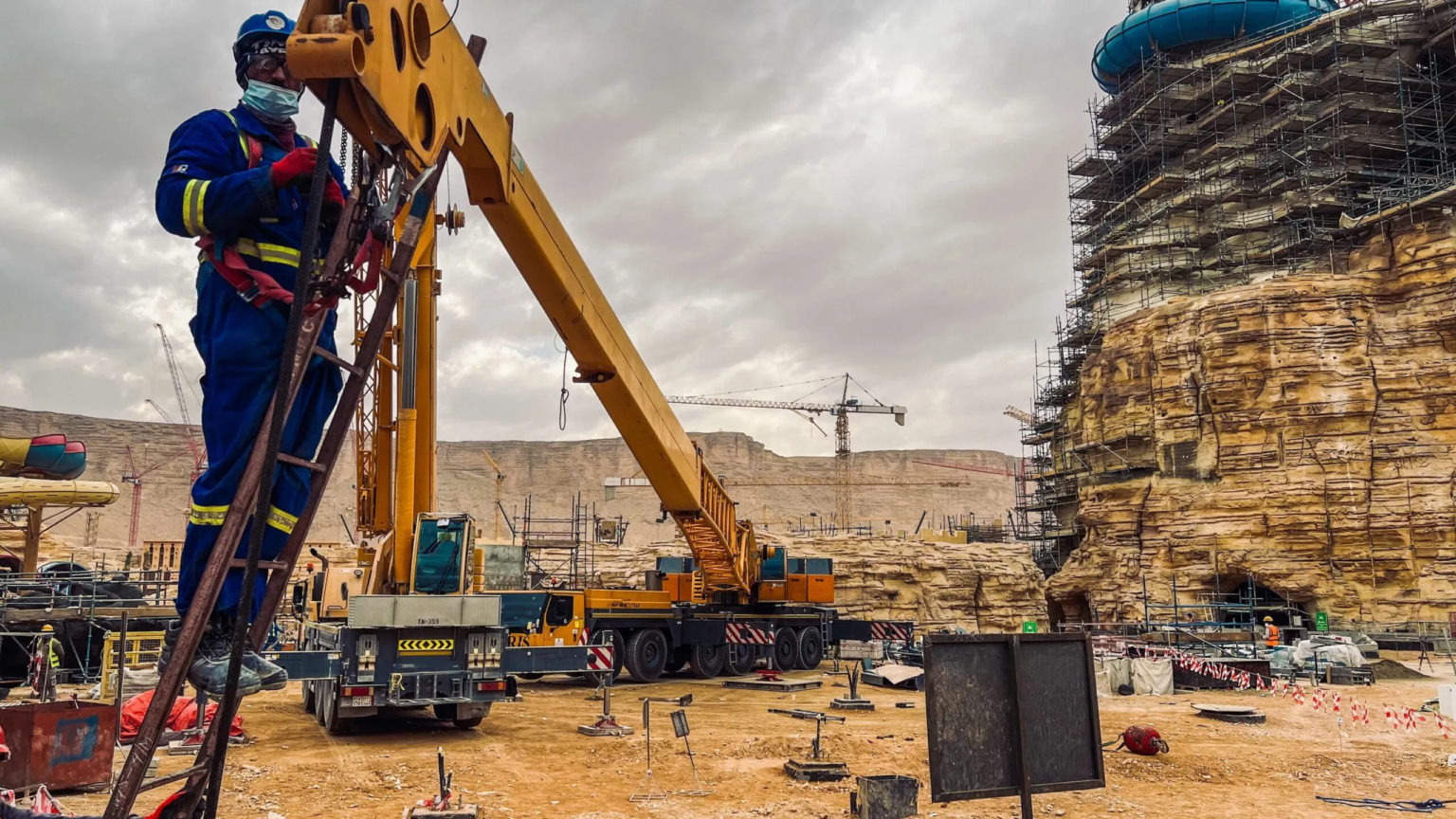
Saudi Arabia’s ambitious industrial transformation is facing an important reality check. The Public Investment Fund (PIF), the Kingdom’s powerful sovereign wealth fund and economic engine, has raised concerns over delays affecting parts of the Saudi manufacturing sector. While the country continues to push forward with large-scale industrial projects under Vision 2030, the warning highlights the growing pressure to maintain momentum and deliver results on time.
The concerns are not a sign of failure, but rather a call for sharper execution, better coordination, and stronger accountability. At a time when Saudi Arabia is investing billions into diversifying its economy, even minor delays can have ripple effects across supply chains, investor confidence, and national targets.
Why Manufacturing Matters to Saudi Arabia’s Future
Manufacturing is at the heart of Saudi Arabia’s long-term economic strategy. For decades, the Kingdom relied heavily on oil revenues. Vision 2030 was introduced to reduce that dependence and build a more diversified, sustainable economy. Industrial development, localization of supply chains, and advanced manufacturing have become central pillars of that transformation.
PIF plays a leading role in this shift. It invests in strategic sectors including automotive production, renewable energy equipment, defense manufacturing, technology, and construction materials. The goal is not only to create jobs but also to ensure that more products are made within Saudi Arabia rather than imported.
Delays in manufacturing projects can therefore slow broader economic goals. Factories that are not completed on time mean postponed job creation, delayed exports, and extended reliance on imports. For a country moving at a fast pace toward transformation, timing is everything.
What Is Causing the Delays?
Supply Chain Disruptions
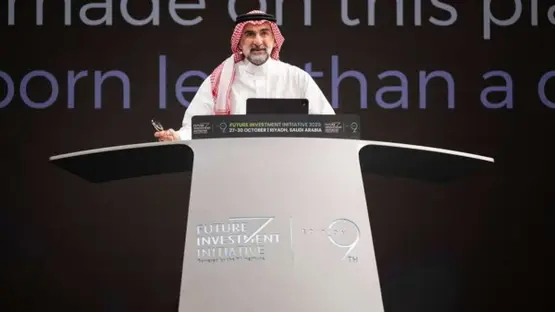
Global supply chain challenges over the past few years continue to impact industrial projects worldwide. Shortages of raw materials, shipping delays, and rising transportation costs have made it harder for factories to stay on schedule. Saudi Arabia, like many countries, is not immune to these pressures.
Imported machinery and specialized components often arrive later than planned, pushing construction and commissioning timelines further out.
Workforce and Skills Gaps
Building advanced manufacturing facilities requires highly skilled engineers, technicians, and project managers. While Saudi Arabia has made significant investments in education and training, the rapid expansion of industrial projects means demand for skilled labor sometimes exceeds supply.
Recruitment, training, and localization efforts take time. When expertise must be sourced internationally, visa processing and onboarding can also slow progress.
Project Execution Challenges
Mega-projects require strong coordination between contractors, regulators, suppliers, and investors. Delays can arise from permitting issues, design changes, contractor performance, or financial restructuring. As Saudi Arabia accelerates multiple giga-projects simultaneously, execution complexity increases.
PIF’s warning appears to reflect concerns about efficiency and project discipline rather than lack of ambition.
PIF’s Role as a Watchdog and Driver
The Public Investment Fund is not just an investor; it is a strategic architect of Saudi Arabia’s transformation. By sounding the alarm, PIF signals that it is closely monitoring performance and holding stakeholders accountable.
This proactive approach can be seen as a positive sign. Instead of ignoring delays, the fund is identifying bottlenecks early and encouraging corrective action. Strong oversight strengthens investor confidence and reinforces the seriousness of Vision 2030 targets.
PIF’s leadership has repeatedly emphasized performance measurement, return on investment, and long-term sustainability. Raising concerns about manufacturing delays aligns with that disciplined approach.
Impact on Vision 2030 Goals
Saudi Arabia’s Vision 2030 sets ambitious targets for increasing the contribution of non-oil sectors to GDP. Manufacturing is expected to play a critical role in achieving these benchmarks.
Delays may affect:
- Job creation targets for Saudi nationals
- Localization percentages in key industries
- Export growth ambitions
- Attraction of foreign direct investment
However, short-term setbacks do not necessarily derail long-term goals. Large-scale transformation rarely follows a perfectly straight path. What matters most is how quickly challenges are addressed.
Investor Confidence and Market Reactions
Investors closely watch signals from PIF. When the fund raises concerns, markets pay attention. Transparency about delays can initially create uncertainty, but it also builds credibility.
International investors prefer clear communication over silence. Acknowledging challenges and outlining corrective measures demonstrates responsible governance. If PIF follows the warning with concrete action plans, confidence is likely to stabilize.
Saudi Arabia remains one of the most active investment destinations in the region, supported by government reforms, regulatory modernization, and large-scale infrastructure development.
Opportunities Hidden Within the Challenge
Strengthening Local Supply Chains
One positive outcome of manufacturing delays could be accelerated efforts to localize supply chains. If imported components are causing setbacks, local production of critical parts may become a higher priority.
This could create new investment opportunities for small and medium-sized enterprises within the Kingdom.
Faster Regulatory Reforms
Delays often expose procedural inefficiencies. Streamlining permits, improving digital approvals, and enhancing coordination between agencies can create long-term structural improvements.
A short-term warning can therefore lead to long-term efficiency gains.
Skill Development Acceleration
Workforce shortages highlight the urgency of vocational training and technical education. Saudi Arabia has already launched multiple initiatives to upskill its youth population. Manufacturing delays may encourage even stronger collaboration between industry and educational institutions.
Human Side of Industrial Transformation
Behind every manufacturing plant are real people engineers working late hours, young graduates hoping for employment, contractors managing tight deadlines, and families counting on stable incomes.
When delays happen, it affects more than project schedules. It impacts livelihoods and aspirations. That is why PIF’s intervention carries weight. It reflects a desire to protect not just financial returns but national progress.
Saudi Arabia’s transformation is one of the most ambitious economic shifts in modern history. Such large-scale change inevitably faces obstacles. What defines success is not the absence of challenges, but the response to them.
The Road Ahead for Saudi Manufacturing
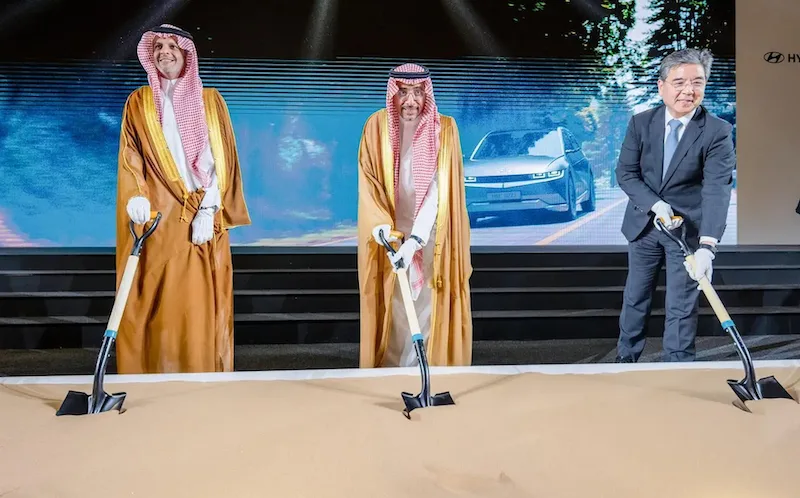
The warning from PIF is likely to trigger internal reviews, performance assessments, and strategic adjustments. Contractors may face tighter deadlines. Project management frameworks may be strengthened. Partnerships could be reevaluated to ensure faster delivery.
Saudi Arabia has repeatedly demonstrated its ability to adapt quickly. Over the past decade, regulatory reforms, infrastructure upgrades, and digital transformation initiatives have moved at impressive speed.
Manufacturing remains a top priority. Sectors such as electric vehicles, renewable energy components, defense equipment, pharmaceuticals, and construction materials are central to the Kingdom’s diversification strategy. With continued investment and stronger oversight, delays can be reduced and timelines recovered.
A Critical Moment, Not a Crisis
It is important to view PIF’s alarm as a constructive intervention rather than a sign of systemic weakness. Large economies often encounter execution challenges when scaling industrial capacity at unprecedented speed.
Saudi Arabia is attempting to build a globally competitive manufacturing ecosystem within a compressed timeframe. That ambition naturally brings complexity.
By addressing delays openly and decisively, the Kingdom reinforces its commitment to transparency and performance. The warning can serve as a turning point that sharpens focus and accelerates improvements.
In the broader context, Saudi Arabia’s industrial transformation continues to attract global attention. Investment flows remain strong, partnerships with international firms are expanding, and infrastructure development continues at scale.
The path forward may require adjustments, but the direction remains clear. Manufacturing is not just an economic goal; it is a symbol of national resilience and future readiness.
As PIF pushes for faster execution and stronger delivery, the message is simple yet powerful: ambition must be matched with discipline. If that balance is achieved, Saudi manufacturing will not only overcome delays but emerge stronger, more competitive, and more sustainable in the years ahead.
Do Follow Gulf Magazine on Instagram
Read More:- Discover Unforgettable Eid Escapes with Luxury Group by Marriott 2026

