


PM Prime Minister Narendra Modi is set to begin a significant four-day diplomatic visit to Jordan, Ethiopia, and Oman, marking another important chapter in India’s evolving global engagement. This multi-nation tour reflects India’s growing confidence on the world stage and highlights the government’s intent to deepen political trust, economic cooperation, and people-to-people ties across West Asia and Africa.
More than a routine diplomatic exercise, the visit carries symbolic and strategic value. It brings together three nations that occupy unique positions in their respective regions and have long-standing cultural, economic, and political connections with India. For New Delhi, the journey is about strengthening friendships, opening new avenues for cooperation, and reinforcing India’s role as a reliable and forward-looking global partner.
The Purpose Behind the Three-Nation Tour
At the heart of this visit lies a clear objective: to build stronger bridges with regions that are central to India’s foreign policy priorities. West Asia remains crucial for India’s energy security, trade, and the well-being of millions of Indian expatriates. Africa, meanwhile, is a continent of immense promise, offering opportunities for development partnerships, trade expansion, and shared growth.
By visiting Jordan, Ethiopia, and Oman in one tour, Prime Minister Modi is underlining India’s holistic diplomatic approach one that balances strategic interests with cultural respect and long-term collaboration. Each stop on the itinerary serves a distinct purpose while contributing to a larger vision of global cooperation.
Jordan: Strengthening Trust in the Heart of West Asia
A Relationship Built on Shared Values
Jordan has long been regarded as a key partner for India in West Asia. The two nations share mutual respect, common perspectives on regional stability, and a commitment to peaceful dialogue. Prime Minister Modi’s visit is expected to reinforce this trust and bring renewed momentum to bilateral relations.
Jordan’s strategic location and its role as a stabilizing force in the region make it an important partner for India. Discussions during the visit are likely to focus on political cooperation, regional security, and multilateral engagement, reflecting the shared desire for peace and development.
Expanding Economic and Cultural Cooperation
Economic ties between India and Jordan have steadily grown over the years, with cooperation spanning sectors such as pharmaceuticals, fertilizers, textiles, and information technology. The visit is expected to encourage further collaboration, paving the way for new trade opportunities and investment flows.
Cultural connections will also be in focus. India and Jordan share a deep appreciation for history, heritage, and education. Strengthening cultural exchanges and academic cooperation can help bring the people of both nations closer, adding a human dimension to diplomatic relations.
Ethiopia: Reconnecting with Africa’s Diplomatic Heart
A Historic Bond with Renewed Energy
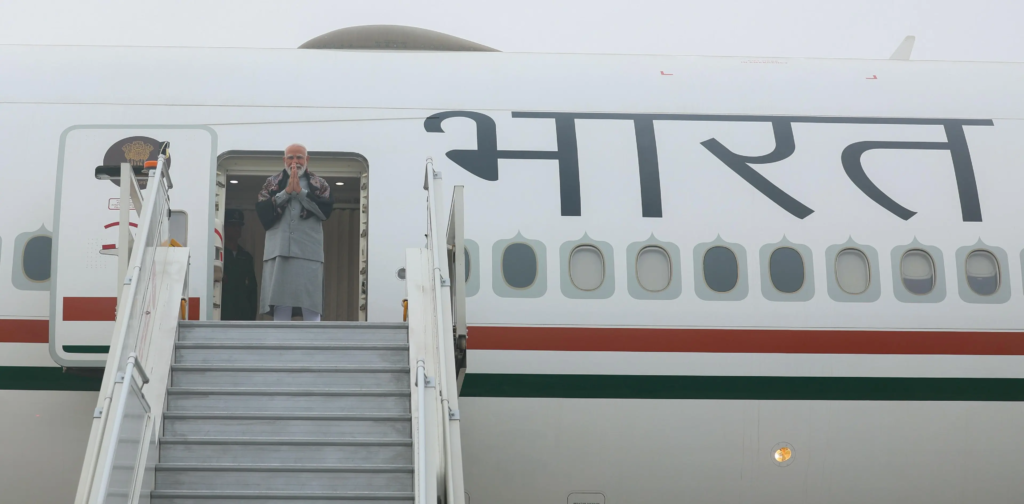
Ethiopia holds a special place in India’s engagement with Africa. As one of the continent’s oldest civilizations and a major diplomatic hub, Ethiopia has been a trusted partner for decades. Prime Minister Modi’s visit signals India’s renewed commitment to strengthening ties with Africa based on equality, mutual respect, and shared aspirations.
The visit is expected to reaffirm India’s support for Africa-led development and highlight the importance of South-South cooperation. Ethiopia’s growing economy and strategic importance make it a natural partner in India’s broader Africa strategy.
Focus on Development and Capacity Building
India’s partnership with Ethiopia has traditionally emphasized development cooperation, capacity building, and skill development. During the visit, discussions are likely to center on enhancing collaboration in education, healthcare, agriculture, and technology.
India’s development-oriented approach resonates strongly in Africa, where partnership models based on mutual benefit are highly valued. By deepening cooperation with Ethiopia, India reinforces its image as a partner that listens, understands, and grows alongside its friends.
Oman: A Trusted Partner in the Gulf
Deep Historical and Cultural Links
Oman and India share centuries-old ties rooted in trade, culture, and maritime connections. These historical bonds have evolved into a modern strategic partnership characterized by trust and mutual understanding. Prime Minister Modi’s visit to Oman is expected to further strengthen this relationship.
Oman has consistently supported India’s interests in the Gulf region, and the large Indian diaspora in the country serves as a living bridge between the two nations. The visit underscores the importance India places on its Gulf partnerships.
Strategic and Economic Collaboration
Oman plays a vital role in India’s energy security and maritime strategy. Discussions during the visit are likely to focus on energy cooperation, defense collaboration, and investment opportunities. Strengthening these areas can contribute to regional stability and shared prosperity.
Economic ties are also expected to receive a boost, with both sides exploring ways to expand trade and encourage private sector engagement. The visit reflects a shared commitment to building a future-oriented partnership that benefits both nations.
India’s Broader Diplomatic Vision
A Multi-Regional Approach
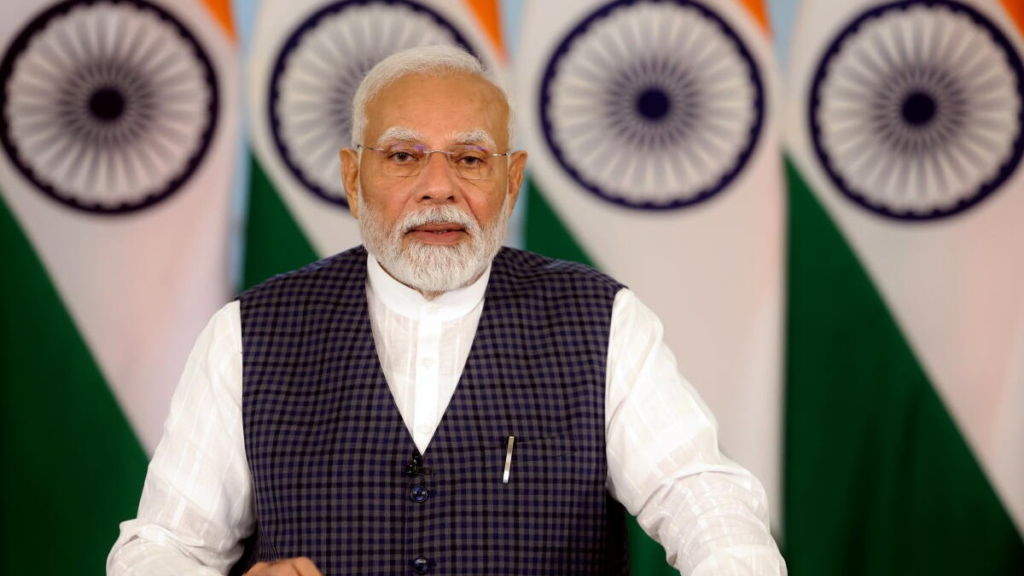
Prime Minister Modi’s three-nation tour highlights India’s multi-regional diplomatic strategy. Rather than focusing on a single geography, India is actively engaging with diverse regions to build a network of strong and dependable partnerships.
This approach allows India to balance its strategic interests while promoting dialogue, development, and cooperation. The visit sends a clear message that India is ready to engage constructively with the world, based on mutual respect and shared goals.
Emphasis on People-to-People Ties
Beyond policy discussions and agreements, the visit places strong emphasis on people-to-people connections. Indian communities in Jordan, Ethiopia, and Oman play a vital role in strengthening bilateral ties, contributing to local economies while preserving cultural links with their homeland.
Acknowledging the contributions of the Indian diaspora adds a human touch to diplomacy. It reflects the government’s recognition that strong international relationships are built not only by governments but also by ordinary people.
Strategic Significance in a Changing World
Responding to Global Challenges
The global landscape is undergoing rapid change, marked by economic uncertainty, geopolitical shifts, and shared challenges such as climate change and public health. In this context, India’s proactive diplomacy becomes even more significant.
By engaging closely with partners in West Asia and Africa, India positions itself as a responsible global player willing to contribute to solutions and promote stability. The visit reflects India’s confidence in navigating complex global realities through dialogue and cooperation.
Reinforcing India’s Global Image
Prime Minister Modi’s international engagements have consistently focused on presenting India as a nation that is open, dependable, and forward-looking. This tour continues that narrative, showcasing India’s willingness to engage with diverse cultures and regions.
Such visits help reinforce India’s image as a country that values relationships, respects sovereignty, and believes in shared progress. They also provide an opportunity to communicate India’s priorities and vision directly to global partners.
What This Visit Means for the Future
Strengthening Long-Term Partnerships
The outcomes of this four-day visit are expected to resonate well beyond the immediate diplomatic engagements. By strengthening trust and expanding cooperation, India lays the foundation for long-term partnerships that can adapt to future challenges and opportunities.
Each country on the itinerary represents a different aspect of India’s global engagement, from strategic cooperation to development partnership and cultural exchange. Together, they reflect a balanced and thoughtful foreign policy approach.
A Message of Confidence and Continuity
Prime Minister Modi’s visit sends a message of confidence, continuity, and commitment. It reassures partners that India remains invested in building meaningful relationships and working together for mutual benefit.
As India continues its journey toward greater global influence, such diplomatic initiatives play a crucial role. They reflect not just policy priorities, but also a broader vision of India as a nation that connects, collaborates, and leads with purpose.
Conclusion: Diplomacy with a Human Touch
Prime Minister Modi’s four-day visit to Jordan, Ethiopia, and Oman is more than a series of official meetings. It is a reflection of India’s evolving role in the world and its belief in diplomacy that is inclusive, respectful, and forward-looking.
By engaging with these three nations, India strengthens old friendships, builds new opportunities, and reinforces its commitment to global cooperation. The visit stands as a reminder that in an interconnected world, meaningful dialogue and human connections remain at the heart of successful diplomacy.
Do Follow Gulf Magazine on Instagram
Read More:- GCC–Iraq Power Link Promises Energy Security and Regional Growth 2025

