

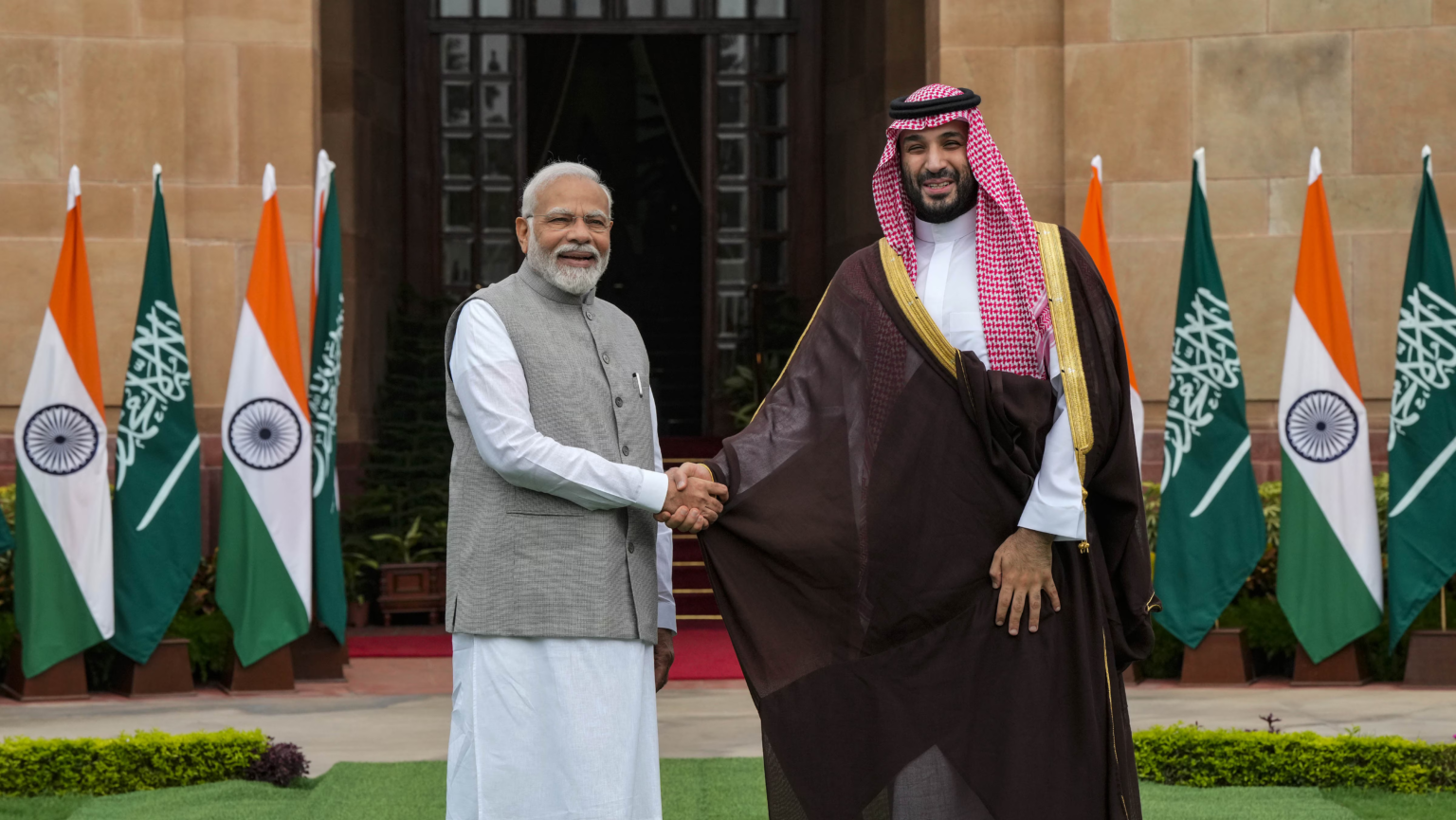
India’s engagement with the Middle East has evolved far beyond traditional energy ties. Over the past decade, New Delhi has built deep political, economic, and strategic partnerships across the region, positioning itself as a trusted and balanced partner. PM Modi Prime Minister Narendra Modi’s discussions with the leadership of Jordan and Oman are expected to reflect this broader vision, with regional issues taking center stage, according to the Ministry of External Affairs.
These talks come at a time when the Middle East is navigating a complex mix of challenges and opportunities. From ongoing regional conflicts and humanitarian concerns to economic diversification and connectivity initiatives, India’s dialogue with Jordan and Oman is likely to be both forward-looking and grounded in shared interests. The emphasis is expected to be on stability, cooperation, and people-centric development.
Jordan and Oman as Key Regional Partners
Jordan’s Strategic Importance for India
Jordan occupies a unique place in West Asia due to its geopolitical location and its role as a voice of moderation in regional affairs. India and Jordan share long-standing ties based on mutual respect, cultural exchanges, and cooperation in education, health, and defense. Jordan has often been seen as a stabilizing force in a turbulent region, and India values its balanced approach to regional diplomacy.
For India, Jordan is also significant because of its perspective on issues related to peace in the region, humanitarian challenges, and interfaith dialogue. PM Modi’s discussions with Jordanian leadership are expected to build on these shared values, reinforcing cooperation on regional peace and inclusive growth.
Oman’s Role as a Trusted Bridge
Oman has historically played the role of a quiet mediator in the Middle East, maintaining cordial relations with diverse regional players. India and Oman enjoy one of the oldest and warmest relationships in the Gulf, rooted in centuries of trade and people-to-people contact. Today, Oman is a key partner for India in areas such as maritime security, trade, logistics, and defense cooperation.
The talks with Oman are expected to highlight shared interests in regional stability, secure sea lanes, and economic cooperation. Oman’s strategic location along key maritime routes aligns closely with India’s vision for a free, open, and secure Indian Ocean region.
Regional Stability at the Core of Discussions
Addressing Ongoing Conflicts and Tensions
Regional instability remains one of the most pressing challenges in West Asia. Prolonged conflicts have led to humanitarian crises, displacement, and economic disruption. India’s approach has consistently emphasized dialogue, diplomacy, and peaceful resolution of disputes.
During PM Modi’s talks with Jordan and Oman, regional conflicts are expected to be discussed with a focus on de-escalation and humanitarian support. India’s balanced stance and its credibility as a non-interventionist partner allow it to engage constructively with all sides. These discussions are likely to underline India’s support for political solutions that respect sovereignty and promote long-term peace.
Humanitarian Concerns and People-Centric Solutions
Humanitarian issues, including refugee crises and access to essential services, are expected to form an important part of the dialogue. Jordan, in particular, has hosted large numbers of refugees over the years, placing significant strain on its resources. India has often extended development assistance and capacity-building support in such contexts.
The talks may explore ways to enhance cooperation in humanitarian aid, health, education, and skill development. India’s emphasis on people-centric diplomacy resonates strongly with both Jordan and Oman, making this an area of natural convergence.
Economic Cooperation in a Changing Region
Supporting Economic Diversification

Both Jordan and Oman are pursuing economic reforms aimed at diversification, innovation, and sustainable growth. India’s experience in digital transformation, startups, renewable energy, and infrastructure development positions it as a valuable partner in these efforts.
PM Modi’s discussions are expected to highlight opportunities for collaboration in sectors such as information technology, renewable energy, tourism, healthcare, and education. By aligning economic priorities, India, Jordan, and Oman can create partnerships that deliver tangible benefits to their people.
Trade, Investment, and Connectivity
Trade and investment ties are likely to feature prominently in the talks. India’s trade with the Middle East has grown steadily, and there is significant untapped potential with both Jordan and Oman. Improving connectivity, simplifying trade processes, and encouraging private sector engagement are expected to be key themes.
Oman’s ports and logistics infrastructure, combined with India’s manufacturing and services strengths, offer opportunities to build resilient supply chains. With Jordan, discussions may focus on enhancing market access and encouraging joint ventures in emerging sectors.
Maritime Security and Regional Cooperation
Ensuring Secure Sea Lanes
Maritime security is a shared priority for India and Oman, given their strategic locations along critical sea routes. The safety of sea lanes is essential for global trade, energy supplies, and regional stability. India has consistently advocated for cooperative approaches to maritime security based on international law and mutual respect.
PM Modi’s talks with Omani leadership are expected to reaffirm commitments to joint naval exercises, information sharing, and capacity building. These efforts not only enhance bilateral ties but also contribute to broader regional security.
Combating Non-Traditional Security Threats
Non-traditional security challenges such as piracy, terrorism, and cyber threats are increasingly important in regional discussions. India, Jordan, and Oman share concerns about extremism and transnational threats that can undermine stability and development.
The talks are likely to emphasize intelligence sharing, counter-terrorism cooperation, and efforts to address the root causes of radicalization. India’s focus on inclusive growth and education aligns well with regional efforts to build resilient societies.
Cultural and People-to-People Connections
Strengthening Cultural Ties
Cultural diplomacy plays a quiet but powerful role in India’s relationships with Jordan and Oman. Shared historical links, cultural exchanges, and mutual respect have created a strong foundation of goodwill. PM Modi’s engagements often highlight these connections, reinforcing the idea that diplomacy is ultimately about people.
Discussions may include expanding academic exchanges, promoting tourism, and encouraging collaboration in arts and culture. Such initiatives help deepen understanding and strengthen long-term partnerships.
The Indian Diaspora as a Living Bridge
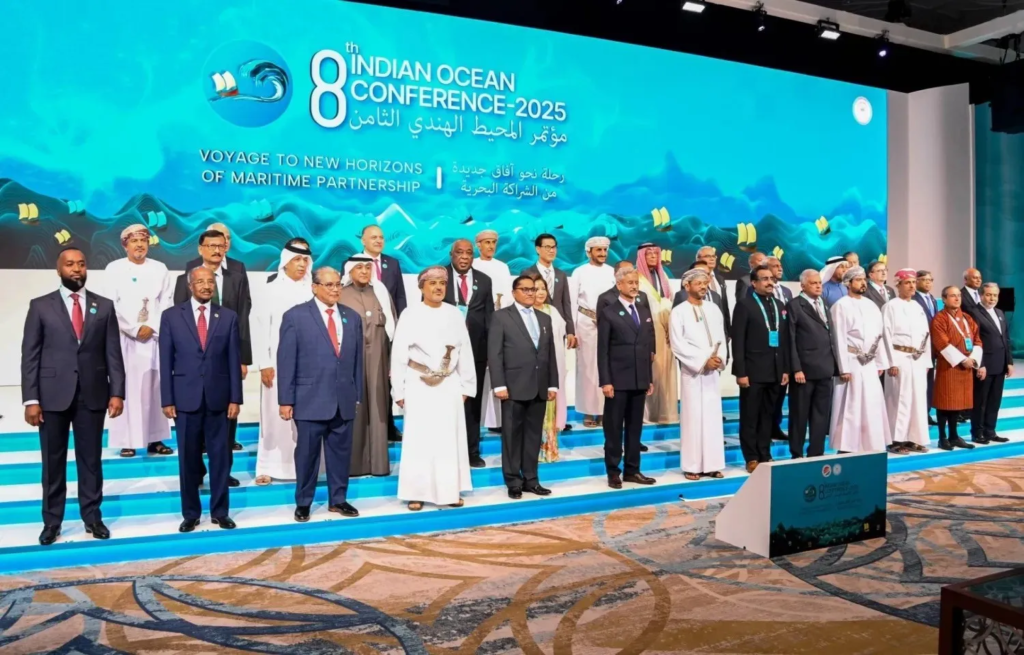
The Indian diaspora in the Gulf, particularly in Oman, serves as a living bridge between nations. Indian professionals and workers have contributed significantly to local economies while maintaining close ties with India. Their well-being and contribution are often an important aspect of bilateral discussions.
PM Modi’s talks are expected to acknowledge the role of the diaspora and explore ways to enhance cooperation in skill development, labor mobility, and social security. This human dimension adds depth and warmth to India’s diplomatic engagements.
India’s Balanced and Inclusive Regional Approach
A Voice for Dialogue and Cooperation
India’s engagement with the Middle East is guided by principles of strategic autonomy, mutual respect, and inclusive growth. Unlike many global players, India does not view the region through narrow alliances. Instead, it seeks to build partnerships that are flexible, respectful, and focused on shared goals.
The discussions with Jordan and Oman are expected to reflect this balanced approach. By engaging with countries that value moderation and dialogue, India reinforces its role as a constructive partner in regional affairs.
Aligning Regional and Global Interests
Regional issues in the Middle East often have global implications, from energy security to migration and trade. India’s talks with Jordan and Oman are likely to connect regional stability with broader global challenges, including sustainable development and climate action.
This alignment of regional and global perspectives strengthens India’s diplomatic voice and highlights its commitment to responsible global engagement.
Looking Ahead: A Partnership for Stability and Growth
PM Modi’s talks with Jordan and Oman are expected to go beyond immediate concerns, focusing instead on building resilient partnerships for the future. By addressing regional issues through dialogue, cooperation, and people-centric solutions, India reinforces its commitment to a stable and prosperous Middle East.
These discussions reflect India’s confidence as a global actor that values friendship, understanding, and shared progress. As regional challenges evolve, India’s engagement with Jordan and Oman underscores a simple yet powerful message: lasting stability is built through trust, cooperation, and a shared vision for the future.
Do Follow Gulf Magazine on Instagram
Read More:- Gulf Leaders Shape a Bold New Regional Order 2025

