

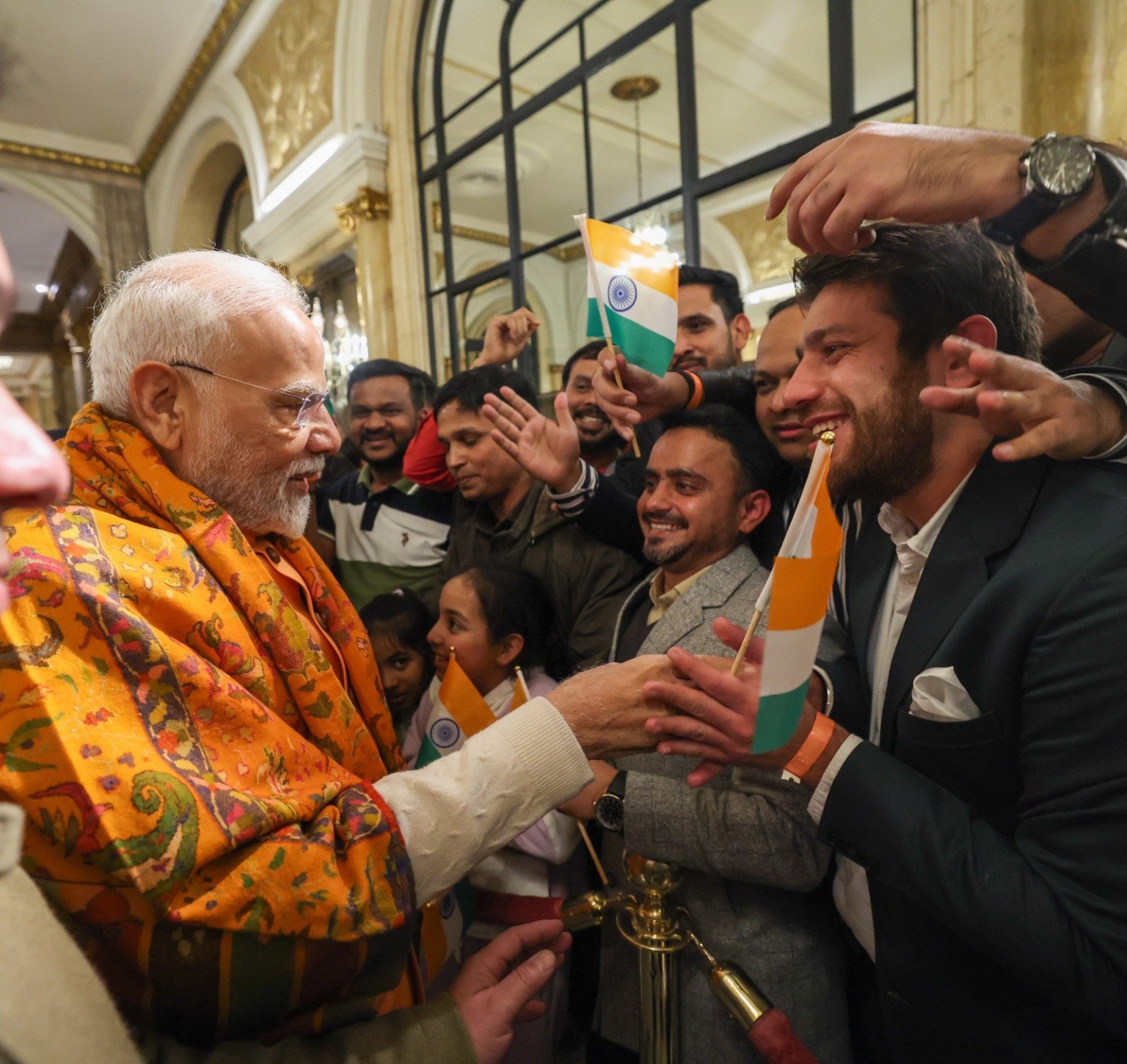
As India continues to shape its place in a rapidly changing world, Prime Minister Narendra Modi’s three-nation tour to Jordan, Ethiopia, and Oman reflects a deeper commitment to dialogue, partnership, and people-centric diplomacy. This journey is not just about formal meetings and policy discussions. It is about building trust, strengthening shared values, and reinforcing India’s role as a reliable global partner that listens, engages, and collaborates with purpose.
The visit spans three regions that hold strategic, cultural, and economic importance for India. From the Middle East to the Horn of Africa, the tour highlights how India’s foreign policy today balances tradition with transformation, and ambition with empathy. At its core, this tour is a reminder that diplomacy is not only conducted in conference halls, but also through cultural connections, economic cooperation, and mutual respect between nations.
The Broader Vision Behind the Three-Nation Tour
Prime Minister Modi’s international engagements often reflect a clear long-term vision rather than short-term gains. This three-nation tour aligns with India’s focus on strengthening ties with key partners across West Asia and Africa, regions that are central to global energy security, trade routes, and geopolitical stability.
India’s outreach to Jordan, Ethiopia, and Oman underscores a belief in inclusive growth and shared prosperity. Each of these nations represents a unique partnership opportunity, whether in terms of political cooperation, economic exchange, or cultural connection. Together, they form a diplomatic bridge linking India to important global corridors of influence.
India’s People-Centric Diplomacy
A defining feature of India’s foreign policy under PM Modi has been its people-first approach. Indian communities abroad, cultural exchanges, and grassroots cooperation play a significant role in shaping bilateral relationships. This tour reflects that philosophy by emphasizing collaboration that directly benefits citizens, from workers and entrepreneurs to students and professionals.
Rather than focusing only on high-level agreements, the tour highlights how diplomacy can touch everyday lives, creating opportunities, stability, and mutual understanding.
Jordan: Strengthening Political Trust and Cultural Bonds
Jordan holds a special place in India’s engagement with the Middle East. Known for its political stability and diplomatic balance, Jordan has long been a trusted partner for India in a region marked by complexity and change.
Deepening Political and Strategic Cooperation
The visit to Jordan focuses on reinforcing political dialogue and cooperation on regional and global issues. Both nations share an interest in peace, stability, and dialogue-driven solutions. Discussions are expected to reflect shared concerns around regional security and the importance of moderation and cooperation in international relations.
India’s engagement with Jordan also reflects respect for its role as a voice of reason in regional affairs, making the partnership both strategic and value-driven.
Cultural and Historical Connections
India and Jordan share deep cultural ties rooted in history, education, and tourism. From ancient trade routes to modern academic exchanges, the relationship extends beyond diplomacy into shared human experiences. Strengthening cultural cooperation sends a powerful message that soft power and mutual appreciation are essential pillars of modern diplomacy.
Ethiopia: Renewing Ties with Africa’s Diplomatic Heart
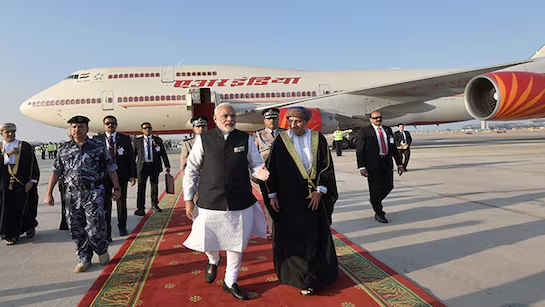
Ethiopia, often described as the diplomatic capital of Africa, represents a crucial partner for India’s growing engagement with the African continent. The visit highlights India’s belief in Africa’s potential as a global growth engine and a key partner in shaping a multipolar world.
Economic Cooperation and Development Partnership
India’s relationship with Ethiopia has long been anchored in development cooperation, capacity building, and trade. The tour reinforces India’s commitment to supporting Ethiopia’s development priorities through partnership rather than prescription.
Discussions focus on areas such as agriculture, manufacturing, technology, and skill development, sectors that directly impact livelihoods and economic resilience. India’s approach emphasizes shared learning and sustainable growth rather than one-sided investment.
Strengthening South-South Cooperation
The visit also highlights India’s role as a leading voice of the Global South. By engaging closely with Ethiopia, India reinforces its belief in South-South cooperation as a powerful model for shared progress. This partnership reflects mutual respect, shared challenges, and a common aspiration for equitable global development.
Oman: A Trusted Partner in the Gulf Region
Oman stands as one of India’s most trusted partners in the Gulf, with a relationship built on centuries of trade, maritime cooperation, and cultural exchange. The visit to Oman reinforces a bond that has evolved naturally over time, shaped by people-to-people ties and shared economic interests.
Energy Security and Economic Collaboration
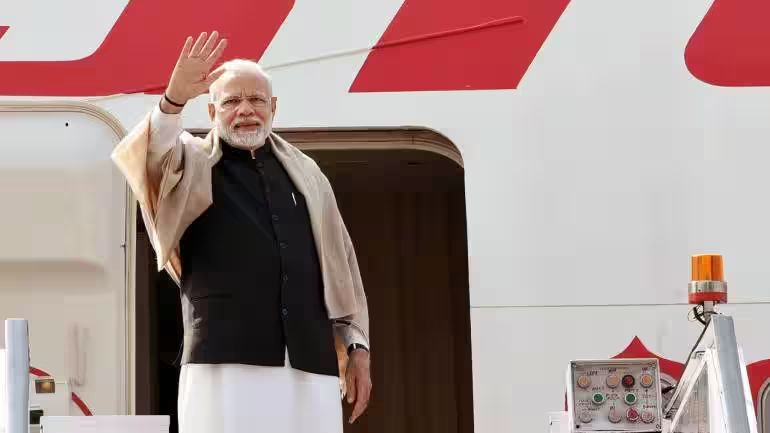
Oman plays an important role in India’s energy security and trade network. The visit highlights discussions around strengthening economic collaboration, enhancing investment flows, and exploring new areas of cooperation that support long-term stability.
India’s engagement with Oman reflects a pragmatic yet warm approach, recognizing the importance of reliable partnerships in an interconnected global economy.
The Indian Diaspora Connection
The Indian community in Oman forms a living bridge between the two nations. Their contribution to Oman’s economy and society is widely acknowledged, and India’s engagement always recognizes their role as cultural ambassadors. This human connection adds depth and warmth to the diplomatic relationship, making it resilient and future-ready.
A Tour Reflecting India’s Global Confidence
This three-nation tour reflects a confident India that is comfortable engaging with diverse regions and perspectives. It showcases a foreign policy that is proactive, inclusive, and grounded in mutual respect. Rather than viewing diplomacy as transactional, India approaches it as a long-term relationship built on trust and shared values.
India’s Role in a Changing World
As global dynamics shift, India’s balanced diplomacy becomes increasingly significant. The tour reflects India’s ability to engage with different regions without alignment pressures, reinforcing its image as an independent and responsible global actor.
By strengthening ties with Jordan, Ethiopia, and Oman, India sends a clear message that its global engagement is broad, balanced, and rooted in cooperation rather than competition.
Human Stories Behind the Diplomatic Agenda
Beyond official meetings and policy frameworks, this tour carries human stories of connection and aspiration. Students seeking educational opportunities, businesses exploring new markets, and families linked across borders all benefit from stronger diplomatic ties.
Prime Minister Modi’s engagements often emphasize listening and understanding, reminding the world that diplomacy is ultimately about people, their hopes, and their shared future.
Looking Ahead: Building Partnerships for the Future
The outcomes of this three-nation tour are expected to shape India’s engagement with the Middle East and Africa in meaningful ways. By reinforcing trust, exploring new areas of cooperation, and deepening cultural understanding, the visit lays a strong foundation for future collaboration.
More importantly, it reflects India’s belief that global leadership begins with empathy, dialogue, and a willingness to work together toward common goals.
Conclusion: A Journey of Trust, Dialogue, and Shared Progress
Prime Minister Modi’s three-nation tour to Jordan, Ethiopia, and Oman is more than a diplomatic itinerary. It is a journey that reflects India’s evolving global identity, one that values partnership over power and dialogue over dominance.
As India continues to rise on the world stage, such engagements remind us that true influence is built through trust, consistency, and human connection. This tour stands as a testament to India’s commitment to shaping a more cooperative, balanced, and hopeful global future.
Do Follow Gulf Magazine on Instagram
PM Sets Bold Global Agenda Ahead of Strategic Three-Nation Visit In Oman 2025

