


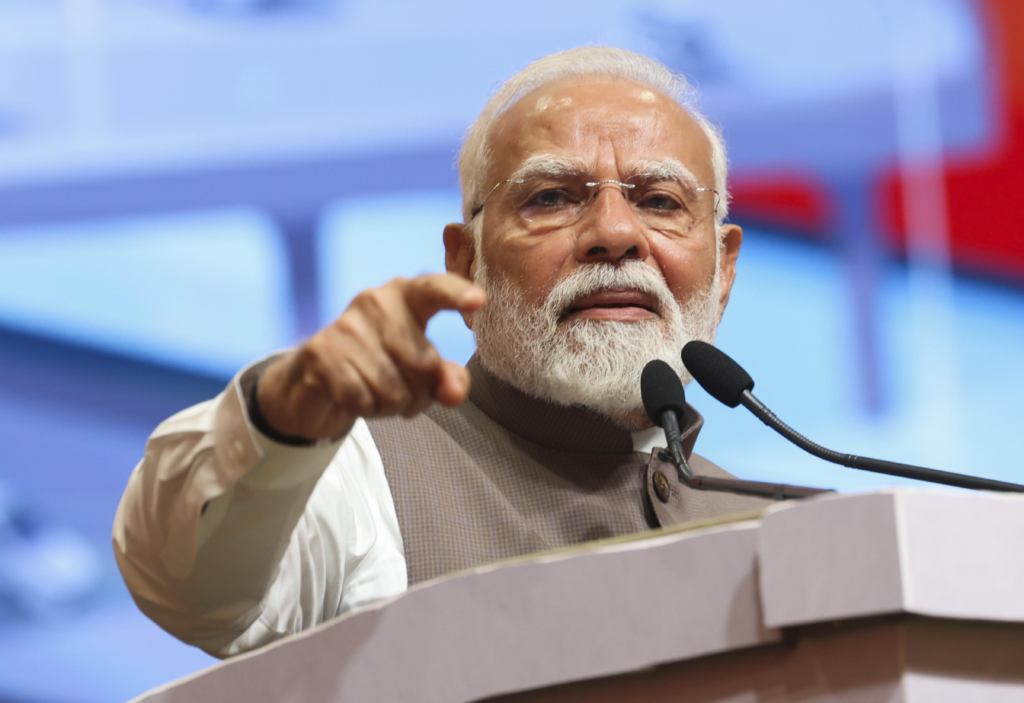
Prime Minister Narendra Modi is set to embark on a significant three-nation visit to Jordan, Ethiopia, and Oman, marking another milestone in India’s evolving global engagement. The visit reflects India’s growing diplomatic confidence and its intent to deepen political, economic, and cultural ties across the Middle East and Africa. More than a routine diplomatic tour, this journey carries strategic weight, human connections, and long-term aspirations for shared growth.
As India’s global footprint expands, such visits underscore the country’s commitment to dialogue, cooperation, and people-centric diplomacy. Each destination on this tour brings unique opportunities and challenges, shaping a narrative that goes beyond bilateral agreements to focus on trust, shared values, and future-ready partnerships.
Why This Three-Nation Visit Matters
India’s foreign policy has increasingly focused on building balanced relationships across regions that hold economic, strategic, and cultural importance. Jordan, Ethiopia, and Oman represent three distinct yet interconnected pillars of India’s outreach strategy.
This visit is designed to strengthen political understanding, unlock trade and investment opportunities, and reinforce India’s role as a reliable partner in a rapidly changing world. It also sends a strong message about India’s willingness to engage with diverse regions through mutual respect and cooperation.
Jordan: Strengthening Political Trust and Cultural Bonds
A Relationship Rooted in Stability and Dialogue

Jordan has long been regarded as a stable and influential voice in West Asia. India’s relationship with Jordan is built on mutual respect, shared concerns over regional stability, and a commitment to peaceful dialogue. The Prime Minister’s visit is expected to elevate political engagement and reinforce cooperation on regional and global issues.
Discussions are likely to focus on counter-terrorism, regional security, and cooperation in multilateral forums. Both nations value moderation and diplomacy, making Jordan a key partner in India’s West Asia outreach.
Expanding Economic and Educational Cooperation
Beyond politics, India and Jordan share growing economic interests. Sectors such as pharmaceuticals, information technology, renewable energy, and education present promising avenues for collaboration. Indian businesses have shown increasing interest in Jordan, while Jordanian students and professionals continue to engage with India’s educational and training institutions.
The visit is expected to give fresh momentum to these exchanges, emphasizing people-to-people connections that form the backbone of long-term partnerships.
Ethiopia: Deepening Africa-Focused Engagement
A Gateway to Africa’s Growth Story
Ethiopia holds a unique place in Africa’s political and economic landscape. As one of the continent’s fastest-growing economies and a key diplomatic hub, Ethiopia represents India’s broader engagement with Africa’s development journey.
The Prime Minister’s visit highlights India’s commitment to Africa as a partner in growth rather than just a market. It aligns with India’s long-standing approach of capacity building, skill development, and infrastructure support across African nations.
Development, Technology, and Human-Centric Growth
India and Ethiopia have collaborated in areas such as agriculture, healthcare, education, and infrastructure. Indian-supported development projects have focused on empowering local communities and building sustainable systems.
During the visit, discussions are expected to explore new areas such as digital public infrastructure, affordable healthcare solutions, and technology-driven development. These initiatives reflect India’s experience in inclusive growth and its willingness to share practical solutions with partners.
Oman: Reinforcing a Time-Tested Strategic Partnership
A Trusted Partner in the Gulf Region
Oman occupies a special place in India’s relations with the Gulf region. The bond between the two countries is rooted in centuries of maritime trade, cultural exchange, and mutual trust. In modern times, Oman has emerged as a strategic partner for India in the Gulf.
The Prime Minister’s visit is expected to reaffirm this strong relationship, focusing on strategic cooperation, energy security, and regional stability. Oman’s balanced foreign policy and its role as a bridge between different regional interests make it an invaluable partner for India.
Focus on Trade, Energy, and the Indian Diaspora
Economic cooperation forms a core pillar of India-Oman relations. Energy collaboration, investment flows, and trade diversification are likely to feature prominently in discussions. Oman has also been a welcoming home for a large Indian community that contributes actively to its economy and society.
The visit is expected to highlight the role of the Indian diaspora as a living bridge between the two nations, reinforcing cultural ties and shared prosperity.
A Human-Centered Diplomatic Approach
Diplomacy Beyond Agreements
What sets this visit apart is its humanized approach to diplomacy. Prime Minister Modi’s engagements often emphasize personal connections, cultural understanding, and direct communication with people beyond official corridors.
From interactions with local leaders to engagements with the Indian diaspora, the visit is expected to reflect a people-first approach that resonates deeply with partner nations. This style of diplomacy strengthens trust and creates goodwill that extends beyond formal agreements.
Celebrating Shared Values and Aspirations
India’s relationships with Jordan, Ethiopia, and Oman are not defined solely by strategic interests. They are also shaped by shared values such as respect for sovereignty, cultural diversity, and inclusive growth.
By acknowledging these common aspirations, the visit reinforces India’s image as a nation that values partnership over dominance and collaboration over competition.
Strategic Signals to the Global Community
India’s Growing Global Confidence
This three-nation visit sends a clear signal about India’s growing confidence on the global stage. It reflects a foreign policy that is proactive, balanced, and rooted in long-term thinking.
By engaging simultaneously with West Asia and Africa, India demonstrates its ability to navigate complex geopolitical landscapes while maintaining constructive relationships with diverse partners.
Strengthening South-South Cooperation
The visit also highlights India’s commitment to South-South cooperation. By sharing development experiences, technology, and capacity-building initiatives, India positions itself as a partner that understands the challenges faced by developing nations.
This approach strengthens India’s credibility and influence in multilateral platforms and reinforces its role as a voice for the Global South.
Economic Opportunities and Future Collaboration
Unlocking Trade and Investment Potential
One of the key outcomes expected from the visit is the exploration of new trade and investment opportunities. From infrastructure and energy to technology and healthcare, the three nations offer diverse prospects for collaboration.
Indian companies are increasingly looking for stable and growth-oriented markets, while Jordan, Ethiopia, and Oman see India as a reliable source of investment, technology, and skilled manpower.
Building Resilient Economic Partnerships
The focus is likely to be on building resilient partnerships that can withstand global uncertainties. By diversifying trade relationships and encouraging joint ventures, India and its partners can create sustainable economic models that benefit all sides.
Cultural Diplomacy and People-to-People Ties
Strengthening Cultural Connections
Cultural diplomacy plays a vital role in India’s international engagements. Shared cultural programs, educational exchanges, and tourism initiatives help build familiarity and mutual respect.
The visit is expected to encourage greater cultural interaction, showcasing India’s rich heritage while embracing the traditions and histories of partner nations.
Empowering the Indian Diaspora
In countries like Oman and Jordan, the Indian diaspora serves as a strong link between societies. Recognizing their contributions and addressing their concerns adds a deeply human dimension to diplomatic engagements.
Such interactions reinforce the idea that foreign policy is not just about governments, but also about the people who live, work, and build connections across borders.
Looking Ahead: A Visit with Long-Term Impact
Beyond Immediate Outcomes
While agreements and announcements may emerge from the visit, its true impact lies in the relationships it strengthens. Diplomatic trust, once built, creates pathways for future collaboration across sectors.
This three-nation tour is expected to lay the groundwork for deeper engagement in the years to come, aligning with India’s vision of shared growth and global cooperation.
A Step Forward in India’s Global Journey
Prime Minister Modi’s visit to Jordan, Ethiopia, and Oman reflects India’s evolving role as a confident, compassionate, and forward-looking nation. By focusing on dialogue, development, and human connections, the visit reinforces India’s commitment to a more connected and cooperative world.
As India continues to navigate a complex global environment, such engagements serve as reminders that diplomacy, at its best, is about building bridges that last well beyond official visits.
Do Follow Gulf Magazine on Instagram
Read More:- Gulf Leaders Shape a Bold New Regional Order 2025

