

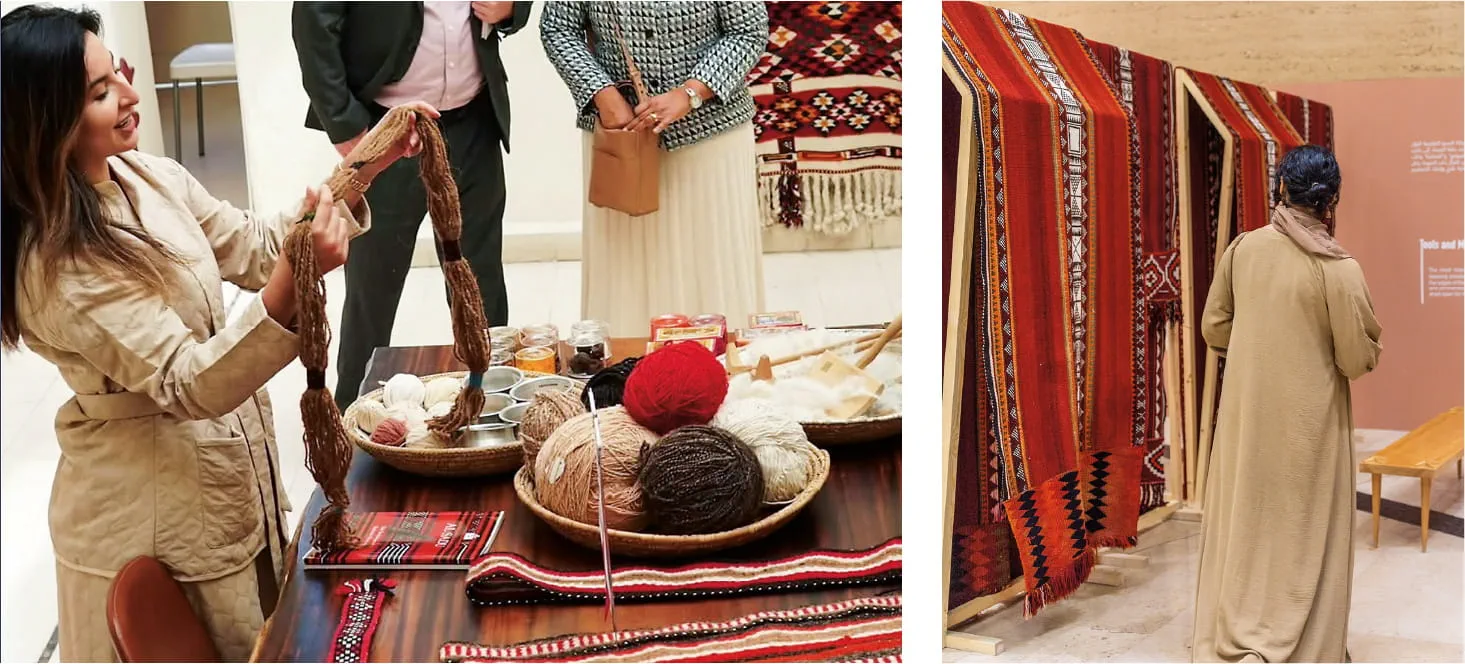
The Timeless Appeal of Kuwaiti Folktales
Kuwait’s rich history is not only etched in its architecture or traditions but lives vibrantly through its folklore. These stories have been passed down for generations, serving as windows into the lives, values, and imagination of the Kuwaiti people. Storytelling is more than a form of entertainment; it is a living archive that connects the past with the present. From tales of courageous fishermen navigating the harsh seas to legendary desert heroes, these narratives reflect the resilience, wisdom, and spirit of Kuwait.
Folktales often carry deep moral lessons, emphasizing community values, bravery, and justice. They are an invitation to learn about one’s culture in a way that is immersive and relatable. Children grow up absorbing these stories, unconsciously internalizing the traditions and ethics that form the foundation of Kuwaiti society.
Oral Tradition: The Heartbeat of Folklore
Before the written word became widespread, storytelling thrived through oral tradition. Kuwaiti families would gather in the evenings, often around the warmth of shared meals, to listen to elders recount tales of old. These oral narratives were not static; they evolved with each telling, reflecting the storyteller’s perspective and the audience’s engagement.
The oral tradition is not only about conveying stories; it is a performative art. The storyteller’s tone, gestures, and expressions breathe life into each character, transforming abstract lessons into memorable experiences. This method of transmission makes folklore accessible and ensures it resonates with people across generations.
Folklore as a Cultural Mirror
Stories in Kuwaiti folklore often mirror the society from which they originate. They reveal social structures, relationships, and values that have shaped Kuwaiti life for centuries. For instance, tales about desert survival emphasize the importance of cooperation, courage, and resourcefulness. Legends about seafaring highlight respect for nature, skillful navigation, and the risks faced by early communities dependent on the sea.
Through these stories, Kuwaitis gain a profound understanding of their heritage. Folklore acts as a cultural mirror, showing not only the successes and wisdom of past generations but also the challenges they faced and overcame. This dual perspective fosters a sense of identity, continuity, and belonging among the people.

The Role of Storytelling in Education
Storytelling is a powerful educational tool. In Kuwait, traditional folktales are increasingly being integrated into schools and community programs to teach history, ethics, and social values in an engaging way. Unlike conventional lessons, these narratives stimulate imagination and critical thinking. Students learn to draw lessons from characters’ experiences, developing empathy and problem-solving skills.
Moreover, storytelling cultivates linguistic and cognitive abilities. Listening attentively to stories strengthens memory, comprehension, and verbal expression. Children and adults alike can explore complex themes such as courage, morality, and community cohesion in ways that are both entertaining and intellectually enriching.
Modern Adaptations of Folktales
While traditional oral storytelling remains cherished, modern adaptations have ensured that Kuwaiti folklore continues to thrive in contemporary society. Television programs, digital platforms, and animated adaptations have introduced these tales to a wider audience, including younger generations who may be less exposed to oral traditions.
These modern retellings maintain the essence of the original stories while incorporating creative elements that resonate with today’s audience. By blending old and new, Kuwait ensures that its folklore remains relevant, engaging, and influential, bridging the gap between the past and the present.
Storytelling and Community Bonding
Folktales have a unique ability to strengthen community ties. Listening to stories collectively creates a shared experience, fostering dialogue, understanding, and connection. In Kuwaiti neighborhoods, storytelling sessions are more than entertainment; they are social events that reinforce cultural identity and solidarity.
Community storytelling can also serve therapeutic and social purposes. By reflecting on shared history and cultural values, individuals feel a sense of continuity and support. This collective experience nurtures empathy and mutual respect, reinforcing the social fabric that binds communities together.
Preserving Heritage Through Folklore
Kuwaiti folklore is a repository of the nation’s collective memory. Every story preserves elements of tradition, language, and historical experience that might otherwise fade with time. Storytelling ensures that these cultural treasures are not lost, allowing them to be celebrated, studied, and enjoyed by future generations.
Preservation is not limited to recording stories; it involves maintaining the vibrancy of oral expression, encouraging community participation, and creating platforms for sharing. Libraries, cultural centers, and digital archives play an essential role in this process, ensuring that the rich tapestry of Kuwaiti folklore remains alive and accessible.
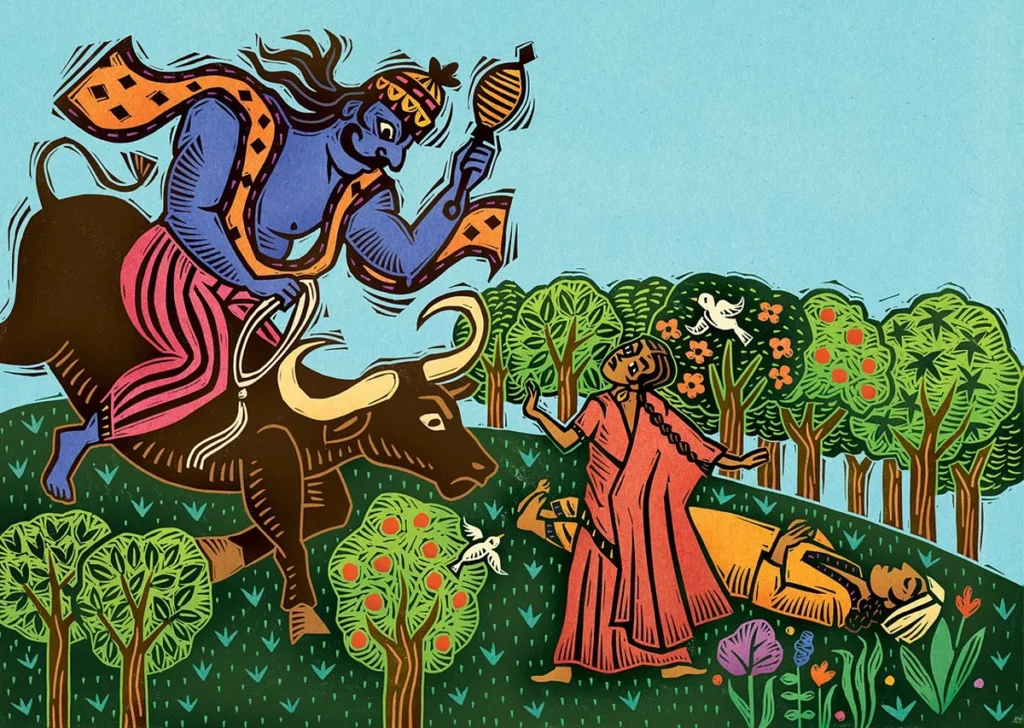
The Influence of Folklore on Creativity
Folklore also serves as a wellspring of inspiration for Kuwaiti artists, writers, and performers. Characters, plots, and themes from traditional tales frequently inspire literature, theater, and visual arts. This cross-pollination of ideas ensures that folklore continues to influence contemporary culture while preserving the stories’ original charm.
By drawing from folklore, creators can explore universal themes in a distinctly Kuwaiti context. This fusion strengthens cultural identity and allows traditional stories to evolve creatively without losing their core values and lessons.
Global Significance of Kuwaiti Folktales
While Kuwaiti folklore is deeply rooted in local culture, its themes are universally relatable. Courage, loyalty, wisdom, and perseverance are values that transcend geographic boundaries. Storytelling provides a medium through which Kuwait can share its heritage with the world, promoting cultural understanding and global appreciation.
Tourists, researchers, and enthusiasts find Kuwaiti folktales intriguing because they offer authentic insights into a culture that balances modernity with tradition. Through storytelling, Kuwait contributes to the global narrative of human experience, showcasing the unique beauty of its heritage while connecting with universal human emotions.
Challenges in Preserving Storytelling Traditions
Despite its significance, storytelling in Kuwait faces challenges. Rapid urbanization, technological distractions, and changing lifestyles have reduced opportunities for traditional oral storytelling. Younger generations may be more drawn to instant digital entertainment than the immersive experience of listening to elders recounting tales.
To counter these trends, proactive efforts are required. Encouraging family storytelling, organizing cultural festivals, incorporating folktales into school curricula, and leveraging digital media can all play a role in preserving this vital tradition. The key is to make storytelling engaging and accessible while maintaining the authenticity of the narratives.
The Future of Storytelling in Kuwait
The future of Kuwaiti folklore depends on the balance between tradition and innovation. By embracing modern platforms and creative adaptations while honoring the integrity of original tales, Kuwait can ensure that its cultural heritage continues to thrive.
Storytelling has the power to unite generations, preserve values, and inspire creativity. It serves as a bridge between the past and the present, allowing Kuwaitis to celebrate their roots while engaging with the modern world. The enduring appeal of these stories lies in their ability to entertain, educate, and connect people on a profoundly human level.
Conclusion: Storytelling as a Cultural Lifeline
Storytelling is more than a pastime in Kuwait; it is a lifeline for cultural preservation. Kuwaiti folktales are repositories of wisdom, history, and identity, offering lessons and inspiration for all who engage with them. As the nation continues to modernize, the power of storytelling ensures that these invaluable traditions remain alive, cherished, and relevant.
By investing in storytelling, Kuwait not only preserves its past but also strengthens its cultural fabric for the future. The tales of deserts, seas, heroes, and ordinary people continue to resonate, reminding every listener of the enduring power of imagination, memory, and human connection.
Do follow Gulf Magazine on Instagram.
Also Read – Kuwaiti Art: Celebrating Heritage and Inspiring Modern Creativity

