

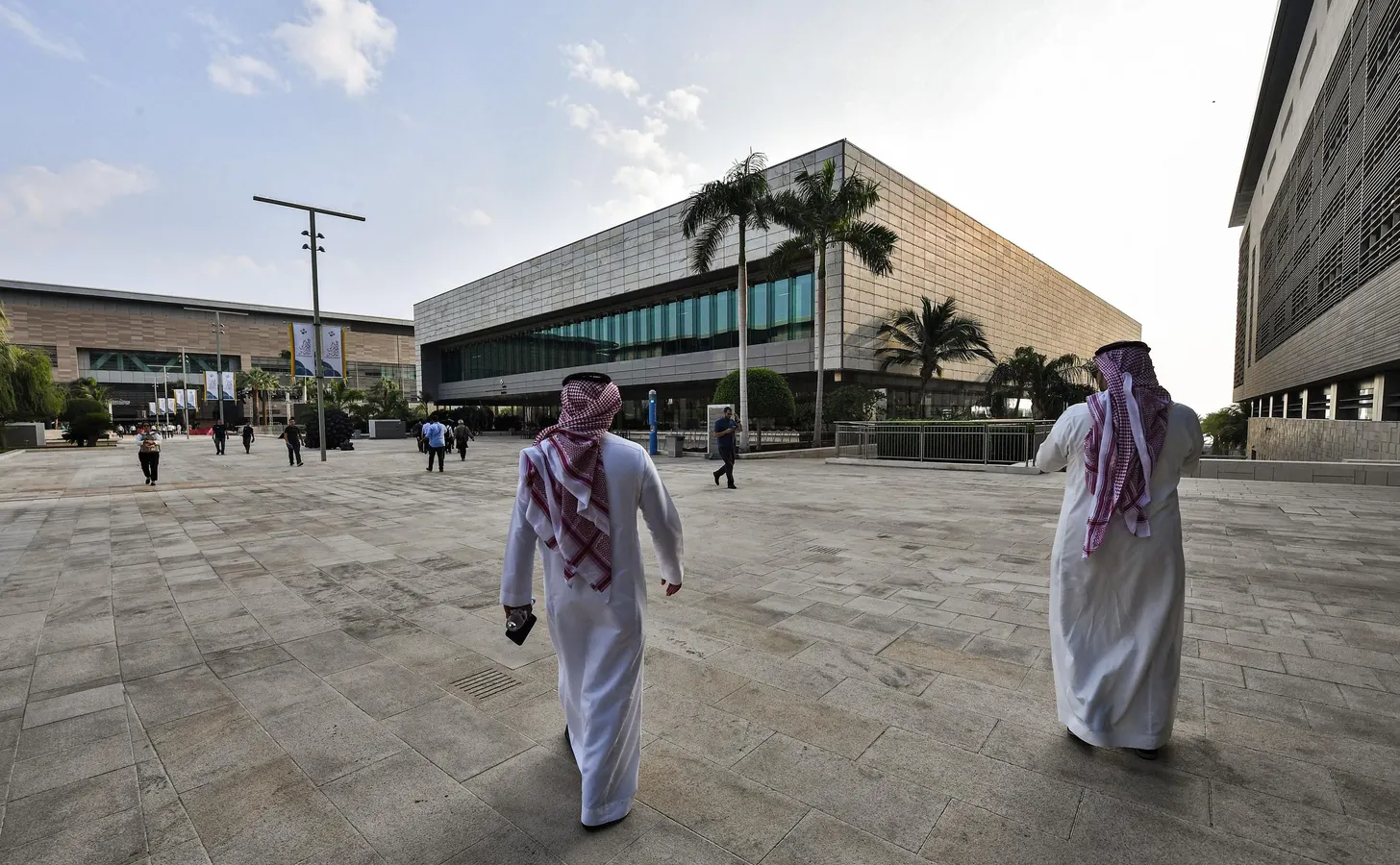
Across the Gulf, a silent but powerful transformation is underway in the education sector. From Riyadh and Dubai to Doha, Abu Dhabi, and Kuwait City, private schools and universities are expanding rapidly, reshaping how families think about learning, opportunity, and the future. What was once a niche option has become a mainstream choice for both local and expatriate communities.
This surge in demand is not accidental. It reflects deeper social, economic, and cultural shifts across Gulf cities shifts that prioritize global competitiveness, workforce readiness, and personal choice in education. As families become more aspirational and cities more international, private education has emerged as a symbol of progress, flexibility, and quality.
Urban Growth and Population Diversity Fueling Demand
One of the strongest drivers behind the rise of private schools and universities in Gulf cities is rapid urbanization. Major metropolitan hubs are attracting professionals, entrepreneurs, and skilled workers from around the world. With this influx comes a diverse mix of educational expectations, curricula preferences, and language needs.
Private institutions are uniquely positioned to serve this diversity. International curricula such as British, American, IB, Indian, and European systems are widely available, allowing families to maintain continuity in their children’s education. For expatriates, this flexibility is essential. For local families, it offers exposure to global standards while remaining rooted in regional values.
As cities grow denser and more cosmopolitan, demand for personalized, adaptable education models continues to rise.
Shifting Parental Expectations and Aspirations
Today’s Gulf parents are more informed, globally connected, and future-focused than ever before. Education is no longer viewed simply as a pathway to employment, but as a holistic journey that shapes character, creativity, and critical thinking.
Private schools often emphasize smaller class sizes, modern teaching methods, extracurricular activities, and student well-being. These elements resonate strongly with parents who want more than rote learning for their children. There is a growing belief that private education better prepares students for competitive universities, international careers, and leadership roles.
This mindset shift has made private institutions aspirational rather than alternative, especially among middle- and upper-income families.
Quality Perception and Academic Outcomes
Perception plays a powerful role in education choices. Across the Gulf, private schools and universities are widely associated with higher academic standards, innovative curricula, and stronger accountability. Many institutions invest heavily in teacher training, digital tools, and performance metrics to maintain their reputations.
At the university level, private institutions are aligning programs closely with industry needs, offering degrees in fields such as artificial intelligence, business analytics, healthcare, sustainability, and engineering. These market-driven offerings appeal to students seeking practical skills and strong employability outcomes.
As success stories multiply, confidence in private education continues to strengthen.
Government Vision and Regulatory Support
While public education remains a priority, Gulf governments have increasingly encouraged private sector participation in education. This approach aligns with broader national visions focused on economic diversification, human capital development, and global competitiveness.
Clear regulatory frameworks, education free zones, and investment-friendly policies have made it easier for international education providers to establish campuses in Gulf cities. Governments benefit by expanding capacity, improving quality benchmarks, and offering families more choice without overburdening public systems.
This collaborative model where public oversight meets private innovation has accelerated growth across the education ecosystem.
The Rise of Private Universities as Career Gateways
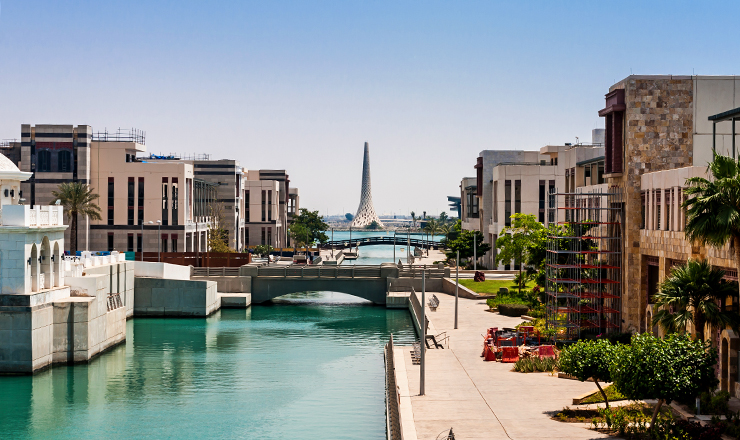
Private universities in Gulf cities are no longer seen as second options. Many have built strong academic reputations, global partnerships, and research capabilities. Branch campuses of international universities, in particular, have elevated the region’s higher education profile.
Students are drawn to flexible admissions, globally recognized degrees, and industry-linked programs. Internship opportunities, career services, and entrepreneurship support further enhance the appeal. For many families, enrolling in a private university locally offers the prestige of international education without the social and financial costs of studying abroad.
This balance of global exposure and regional stability is a key factor behind rising enrollments.

Technology, Innovation, and Modern Learning Environments
Private education providers have been quick to adopt technology-driven learning models. Smart classrooms, blended learning, AI-powered assessments, and personalized learning plans are becoming standard features rather than luxuries.
These innovations appeal strongly to digitally native students and tech-savvy parents. They also support inclusive education by catering to different learning styles and abilities. In a region positioning itself as a global innovation hub, modern education environments reinforce the idea that private institutions are preparing students for the future, not the past.
The integration of technology has become both a practical advantage and a powerful marketing tool.
Cultural Balance: Global Education with Local Values
One concern often raised about private education is cultural alignment. In response, many private schools and universities in Gulf cities have adapted their models to respect local traditions, languages, and values while maintaining international standards.
Arabic language studies, regional history, and moral education are increasingly incorporated alongside global curricula. This balanced approach reassures families that students can become global citizens without losing their cultural identity.
By blending global best practices with local relevance, private institutions strengthen trust and long-term demand.
Economic Confidence and Willingness to Invest
The growing willingness of families to invest in private education reflects broader economic confidence across the Gulf. Rising incomes, dual-income households, and long-term residency options have made private schooling financially viable for a larger segment of the population.
Education is now seen as a strategic investment rather than a cost. Many parents prioritize tuition fees alongside housing and healthcare as essential expenditures. Flexible payment plans and education financing options have further lowered barriers to entry.
This financial commitment underscores how central education has become to family planning in Gulf cities.
Challenges Amid Rapid Expansion
Despite strong growth, the private education sector faces challenges. Rising demand has led to higher tuition fees in some cities, putting pressure on middle-income families. Ensuring consistent quality across institutions remains an ongoing concern for regulators and parents alike.
Teacher recruitment, student retention, and infrastructure expansion require careful planning. However, these challenges also create opportunities for innovation, policy refinement, and new education models that balance affordability with excellence.
The sector’s ability to adapt will determine how sustainable this growth remains.
The Road Ahead: Education as a Competitive Advantage
Looking forward, the demand for private schools and universities in Gulf cities is expected to continue rising. As economies diversify and knowledge-based industries expand, education will remain a cornerstone of national development strategies.
Private institutions that focus on quality, inclusivity, and relevance will play a critical role in shaping the next generation of leaders, professionals, and innovators. For families, private education represents hope, ambition, and a belief in upward mobility.
What is unfolding is more than an education trend it is a redefinition of how learning supports personal dreams and national futures across the Gulf.
Do follow Gulf Magazine on Instagram.
Also Read – Upskilling Youth Through Education for Future-Ready Careers

