

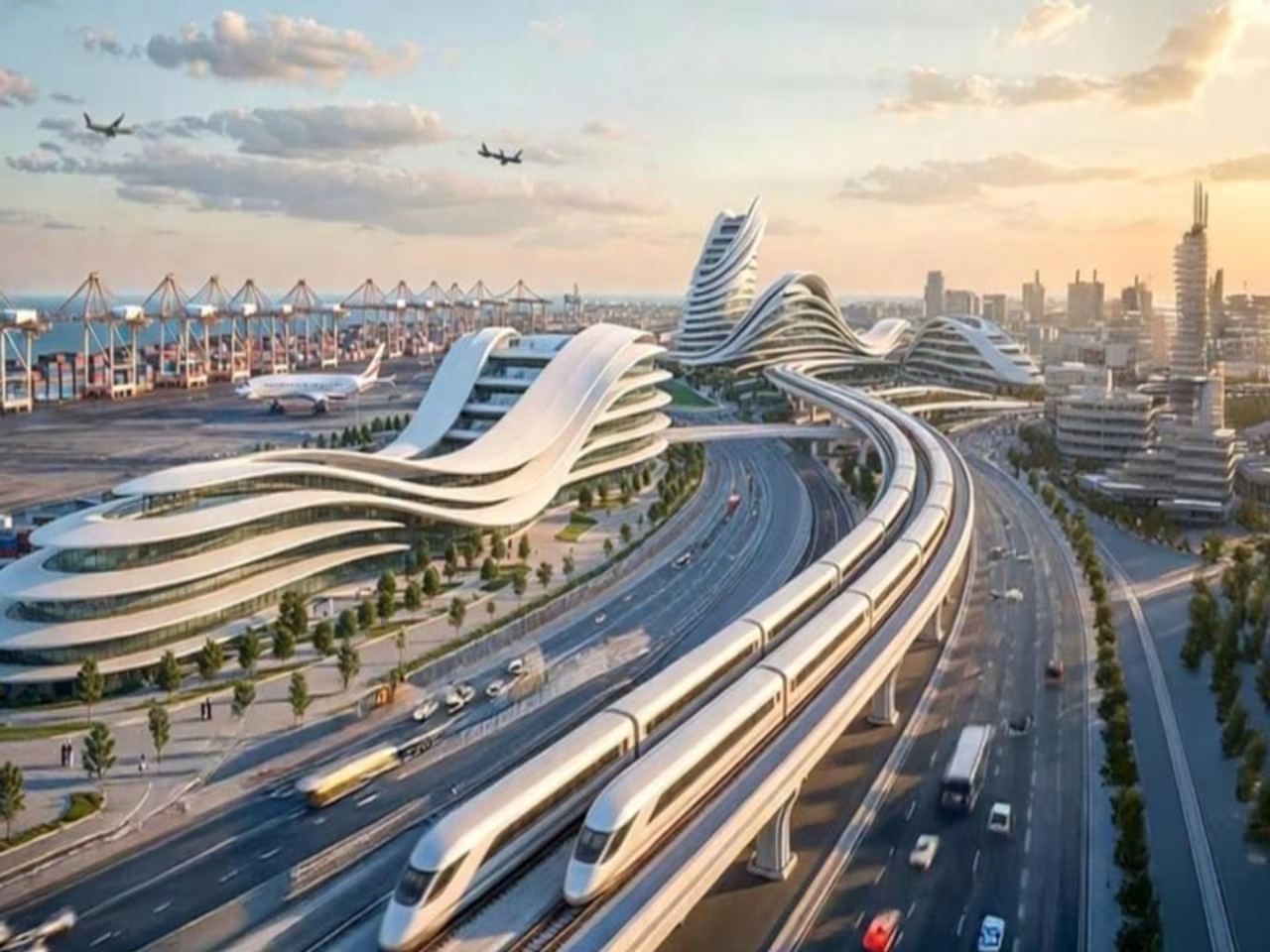
After years of destruction, displacement, and despair, Gaza has become one of the most emotionally charged places on earth. Endless images of shattered buildings and broken lives have shaped global perception. Yet amid this devastation, a bold and controversial idea has emerged Project Sunrise, a proposed US $112 billion reconstruction and redevelopment plan that aims to transform Gaza from a war-scarred territory into a modern urban and economic hub.
Supporters describe it as a once-in-a-generation opportunity to rebuild lives, infrastructure, and hope. Critics see it as a risky attempt to commodify suffering and turn conflict into a lucrative real estate opportunity. At the heart of the debate lies a powerful question: can large-scale investment truly heal deep political and human wounds, or does it risk rewriting the story of Gaza without its people at the center?
What Is Project Sunrise?
The Scale and Ambition
Project Sunrise is envisioned as a massive, multi-phase redevelopment initiative with an estimated value of $112 billion. The plan focuses on rebuilding Gaza’s destroyed infrastructure while introducing modern urban planning, sustainable housing, commercial zones, ports, logistics centers, and tourism districts.
Unlike traditional aid-driven reconstruction efforts, Project Sunrise is structured around investment-led development. Private capital, international developers, and institutional investors would play a central role, turning Gaza into what proponents call a “Mediterranean economic gateway.”
A Shift from Aid to Assets
For decades, Gaza’s economy has relied heavily on humanitarian assistance. Project Sunrise proposes a fundamental shift—from dependency to asset creation. Instead of temporary shelters and emergency relief, the plan emphasizes permanent housing, smart cities, industrial parks, and long-term job creation.
The idea is simple but radical: rebuild Gaza not just to survive, but to compete economically in the region.
Why Real Estate Is at the Core
From Destruction to Development
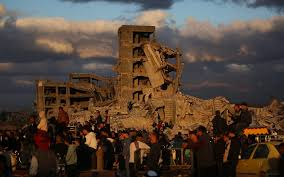
War has flattened vast areas of Gaza, leaving behind large tracts of land that now require complete reconstruction. In real estate terms, this creates a rare blank slate—an opportunity to redesign entire neighborhoods from the ground up.
Project Sunrise positions real estate as the backbone of economic recovery. Residential towers, mixed-use developments, retail corridors, and waterfront projects are expected to attract global investors seeking high-risk, high-reward opportunities.
Strategic Mediterranean Location
Gaza’s location along the Mediterranean coast gives it undeniable strategic value. With proper infrastructure, ports, and transport links, the region could become a trade and logistics hub connecting the Middle East, Europe, and Africa.
Real estate tied to ports, free zones, and commercial districts is projected to generate long-term revenue streams, making the plan appealing to international developers and sovereign investment funds.
Human Stories Behind the Numbers
Rebuilding Lives, Not Just Buildings
Beyond billion-dollar figures lie millions of human stories. Families who have lost homes multiple times, children who have grown up knowing nothing but conflict, and young people desperate for jobs and stability.
Project Sunrise promises modern housing, schools, hospitals, and public spaces designed to restore dignity and normalcy. Supporters argue that stable living conditions and employment opportunities could reduce long-term instability and give future generations a reason to stay and build their lives locally.
The Promise of Jobs and Skills
Construction alone could generate hundreds of thousands of jobs over a decade. From engineers and architects to laborers and service workers, the ripple effect on employment could be transformative.
Long-term plans include vocational training centers, universities, and innovation hubs aimed at equipping Gaza’s youth with skills for a modern economy.
The Economic Logic Behind the $112 Billion Plan
Investment Returns vs Humanitarian Goals
Project Sunrise blends humanitarian rhetoric with hard-nosed economic logic. Investors are promised returns through property sales, leases, infrastructure concessions, and tourism revenues.
This dual-purpose approach—doing good while doing well—has drawn interest from global real estate firms accustomed to post-conflict redevelopment in other parts of the world. However, Gaza’s unique political reality makes this far more complex than previous case studies.
Long-Term Economic Sustainability
The plan envisions diversified economic pillars including logistics, manufacturing, technology services, renewable energy, and tourism. Real estate developments are designed to support these sectors, not exist in isolation.
If successful, Gaza could shift from an aid-dependent economy to a self-sustaining one with growing GDP and regional trade relevance.
Ethical and Political Controversies
Who Owns the Future of Gaza?
One of the most sensitive questions surrounding Project Sunrise is ownership. Critics argue that turning Gaza into a real estate opportunity risks sidelining local voices and priorities.
Concerns have been raised about land rights, displacement, and whether residents will genuinely benefit or be priced out of newly developed areas. For many Palestinians, land is not just an asset—it is identity, memory, and heritage.
Development Without Political Resolution?
Another major criticism is timing. Without a durable political solution, large-scale investment may struggle to survive renewed conflict.
Skeptics argue that pouring billions into real estate without resolving governance, security, and sovereignty issues could lead to stalled projects or wasted capital. Supporters counter that economic stability can itself become a catalyst for peace.
Lessons from Global Post-Conflict Redevelopment
What Has Worked Elsewhere
Cities like Beirut, Sarajevo, and parts of Iraq have undergone post-conflict redevelopment with mixed results. Success often depended on inclusive planning, transparent governance, and genuine local participation.
Project Sunrise draws inspiration from these experiences, emphasizing master planning, international oversight, and phased investment to reduce risk.
Avoiding the Pitfalls
Failed projects elsewhere serve as warnings. Over-commercialization, corruption, and exclusion of local communities have undermined trust and long-term success in other regions.
For Project Sunrise to succeed, it must balance profitability with fairness, ensuring that Gaza’s residents are partners—not spectators—in rebuilding their homeland.
The Role of the United States and Global Stakeholders
Why the US Is Involved

The United States’ role in Project Sunrise reflects a broader strategy of combining diplomacy, economic influence, and private-sector leadership. By backing a large-scale redevelopment plan, the US aims to reshape regional dynamics through economic incentives rather than military intervention.
American firms, financial institutions, and development agencies are expected to play key roles in planning, funding, and execution.
International Participation
Beyond the US, the plan anticipates involvement from Middle Eastern investors, European developers, and international financial organizations. This global participation is intended to spread risk and build broader political support.
Can Real Estate Become a Path to Peace?
Hope Through Stability
Supporters of Project Sunrise believe economic stability can create conditions where peace becomes more achievable. Jobs, homes, and functioning cities reduce desperation and offer people something tangible to protect.
Real estate, in this view, is not just about buildings—it is about creating environments where communities can thrive.
A Fragile Opportunity
Yet hope remains fragile. Without trust, transparency, and respect for local realities, even the most ambitious plans can collapse under their own weight.
Project Sunrise stands at the intersection of ambition and uncertainty, offering a vision that could either redefine Gaza’s future or deepen existing wounds.
A Defining Moment for Gaza’s Future
Project Sunrise is more than a redevelopment proposal—it is a test of whether economic imagination can coexist with human dignity in one of the world’s most complex conflict zones.
The $112 billion price tag reflects enormous ambition, but the true cost and value will be measured in lives rebuilt, communities restored, and futures reclaimed. Whether this plan becomes a symbol of renewal or controversy will depend on who controls the narrative, who benefits from the investment, and whether Gaza’s people are placed at the heart of the transformation.
In a land long defined by loss, Project Sunrise dares to suggest a different story—one where rebuilding is not just about concrete and capital, but about restoring hope where it has been absent for far too long.
Do Follow Gulf Magazine on Instagram
Read More:- Gulf Leaders Shape a Bold New Regional Order 2025

