

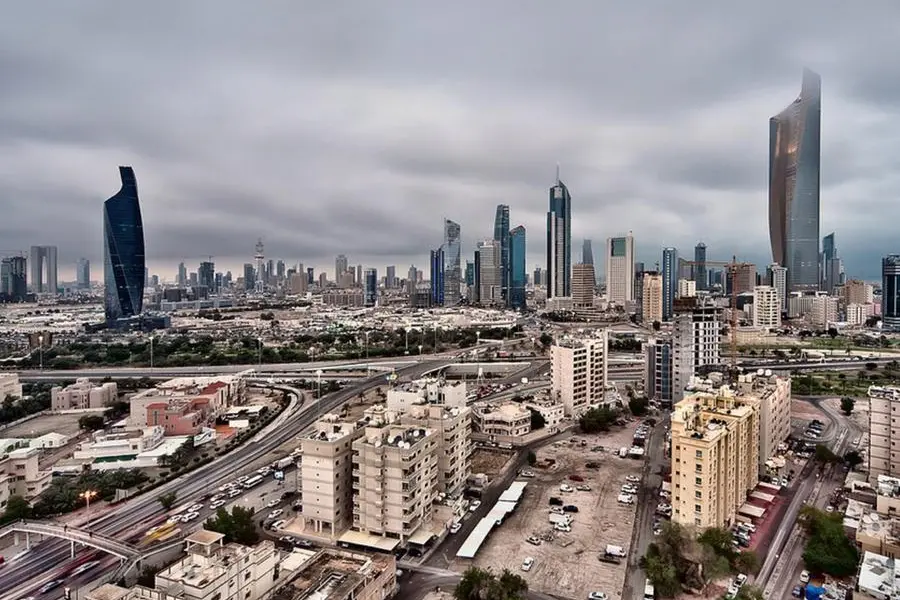
Kuwait is making headlines once again, this time for launching an ambitious infrastructure investment plan worth $5.7 billion Economic Diversification(equivalent to KD 1.7 billion) in its 2025-2026 budget. This move signals more than just an economic stimulus—it marks a shift in national strategy. As the global energy market continues to evolve, Kuwait is taking concrete steps to secure its future by building resilient infrastructure and expanding its public services.
Set to be implemented beginning April 1, 2025, the wide-ranging initiative demonstrates Kuwait’s growing urgency to reduce its dependence on oil, which still accounts for nearly 90% of state revenue. The budget focuses on not just fixing what’s broken, but designing a future built on sustainable, long-term growth.
Massive Investments Across Vital Sectors
The allocated funds will support over 90 major projects across diverse sectors including transportation, energy, water infrastructure, and port development. These sectors are not only critical to daily life but are also pivotal in unlocking future economic potential.
The single largest portion—KD 428 million (about $1.4 billion)—is set aside for infrastructure projects. Roads and highways will see substantial upgrades, easing traffic congestion and improving safety. Railway development is also part of the agenda, which is expected to enhance freight transport and reduce the pressure on Kuwait’s roads.
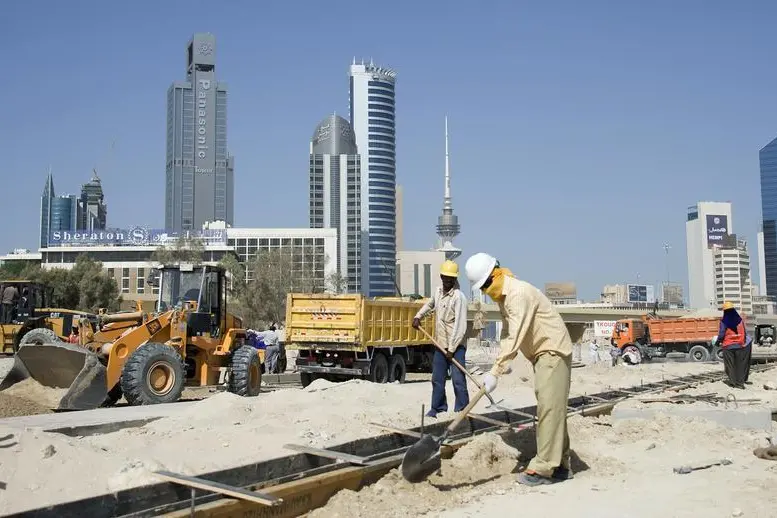
Simultaneously, investment in electricity and water infrastructure will modernize essential services and support growing urban populations. These upgrades aim to ensure more reliable access, better efficiency, and a stronger capacity to handle future demands.
Another major undertaking is the continued development of the Grand Mubarak Port. Once completed, it is projected to serve as a central logistics hub, not only for Kuwait but for the broader Gulf region. It will play a key role in strengthening the country’s maritime capabilities and could attract significant foreign investment.
A Cornerstone of Vision 2035
All of these projects are integral to Kuwait Vision 2035, a sweeping national strategy aimed at transforming the country into a regional financial, trade, and cultural hub. By investing in physical and digital infrastructure, Kuwait hopes to create a more diversified and competitive economy.
Vision 2035 includes long-term goals like improving government efficiency, upgrading education and healthcare, and empowering the private sector. Infrastructure plays a central role in this transformation. Without modern transportation, energy, and water systems, other parts of the national vision cannot fully succeed.
Balancing Bold Spending with Fiscal Reality
While the size and scope of these investments are certainly impressive, they are not without challenges. Kuwait is anticipating a budget deficit of about KD 6.3 billion ($20.43 billion) for the fiscal year, with total revenues projected at KD 18.23 billion ($60.2 billion).
To put it plainly, the government is spending more than it earns. Yet officials see this as a necessary risk. By deploying capital into projects that will generate returns—directly and indirectly—Kuwait is betting that the short-term costs will be outweighed by long-term gains.
The government is also looking toward legislative reforms to diversify income sources. There is growing support for gradually introducing non-oil revenue streams such as taxation on commercial profits or adjusting utility fees to better reflect consumption levels.
Better Public Services, Improved Lives
At the heart of this mega-budget is a very human goal: to improve the daily lives of Kuwaiti citizens and residents. Investments in roads and transportation will shorten commute times and boost road safety. Modern water and electricity systems will bring more stable, efficient service to homes and businesses alike.
These improvements will not only benefit current generations but will also shape the lives of future Kuwaitis. For example, reliable infrastructure will support the construction of new housing developments, hospitals, and schools—essential components for a healthy, growing society.
Opening Doors for the Private Sector
Another core element of the plan is the encouragement of private sector participation. Kuwait aims to move away from a fully state-driven development model to one that leverages the innovation, speed, and cost-effectiveness of the private sector.
The infrastructure projects present a golden opportunity for local and international companies to partner with the government. From engineering firms and construction giants to green tech providers and logistics companies, many industries are poised to benefit from this infrastructure wave.
Authorities have also expressed interest in public-private partnerships (PPPs) as a way to share both the risk and the reward. Such collaboration models not only improve service delivery but also attract foreign investment, creating a more dynamic and resilient economy.
Looking Ahead
As 2025 approaches, all eyes will be on Kuwait to see how efficiently and effectively this monumental plan is rolled out. The success of the initiative depends not just on money, but on the government’s ability to manage large-scale projects, navigate political challenges, and maintain transparency.
However, the intent is clear: Kuwait is not waiting for change to come—it’s building it. From upgraded roads and energy systems to smarter cities and efficient ports, this investment marks a shift in how Kuwait sees its role in the region and the world.
This is not just about bricks and concrete. It’s about preparing the nation for a post-oil era, giving its people better opportunities, and ensuring that Kuwait remains a thriving, connected, and competitive player on the global stage.
Final Thought
In a world where economies must adapt quickly to shifting realities, Kuwait’s $5.7 billion infrastructure plan sends a strong message: the future is being built today. Through strategic investments, visionary planning, and a human-centered approach, the nation is taking bold steps to redefine its trajectory—one project at a time.
Saudi’s Boutique Group CEO Targets 2026 for First Luxury Palace Hotel

