

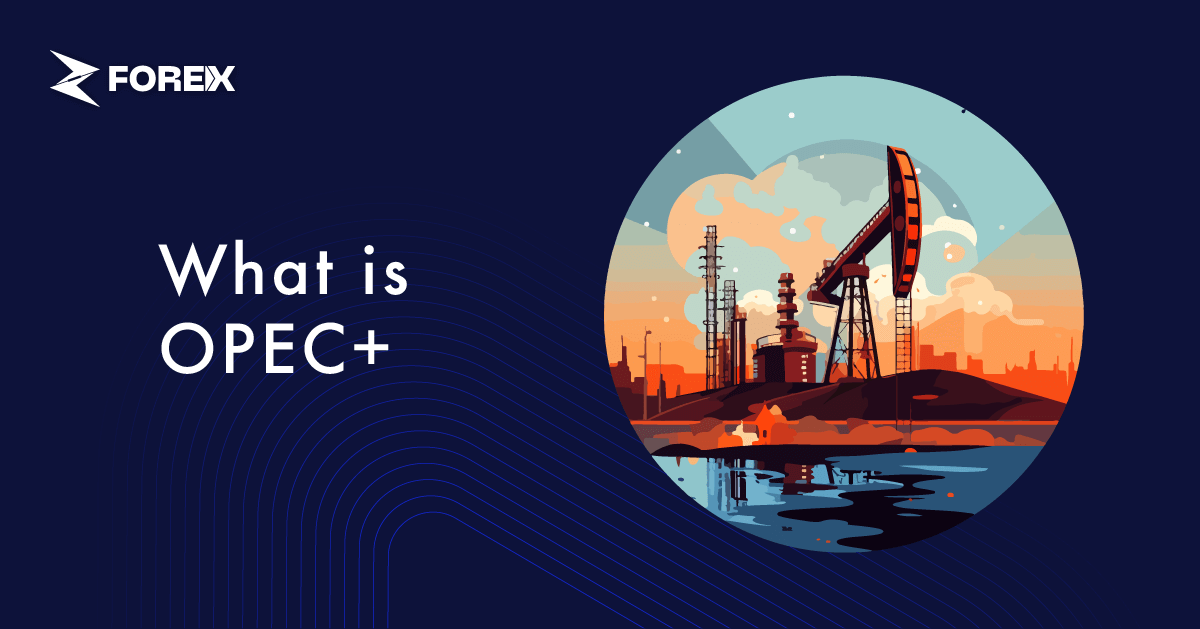
In a pivotal move that reverberates through the global oil landscape, Qatar has officially aligned with OPEC+ to ensure oil market stability. This decision underscores Qatar’s commitment to collaborating with other oil-producing nations, reinforcing its position as a key player in the industry. As the world grapples with fluctuating oil prices and demand, Qatar’s strategic alignment with OPEC+ signals a proactive approach to maintaining balance and stability in the oil market.
Why Qatar’s Alignment with OPEC+ Matters Now
The oil market is notoriously volatile, influenced by geopolitical tensions, economic shifts, and changes in consumer behavior. Qatar’s alignment with OPEC+ is crucial for several reasons. Firstly, it enhances cooperation among member states, creating a united front that can effectively manage production levels. Secondly, it provides Qatar with a platform to influence policy decisions that impact not just its economy but the global oil market as a whole.
How Qatar Plans to Support OPEC+ Initiatives
Qatar is not merely a passive participant in OPEC+; it has outlined specific strategies to support the organization’s initiatives. By pledging to adhere to production quotas and engaging in dialogue with other member countries, Qatar aims to foster a collaborative environment. This approach will help stabilize prices and ensure a steady supply of oil, which is particularly vital for countries heavily reliant on energy exports.
The Economic Implications of Qatar’s Decision
Aligning with OPEC+ comes with significant economic implications for Qatar. As one of the world’s leading liquefied natural gas (LNG) exporters, Qatar’s involvement in OPEC+ could enhance its bargaining power in global markets. By stabilizing oil prices, Qatar can secure more predictable revenue streams, which are essential for funding national development projects and diversifying its economy away from fossil fuels.
Qatar’s Role in Shaping Future Oil Policies
Qatar’s alignment with OPEC+ also positions it as a key influencer in shaping future oil policies. By participating in discussions about production levels and market strategies, Qatar can advocate for policies that align with its national interests while also considering the broader implications for global energy security. This role not only elevates Qatar’s status in international relations but also allows it to contribute to sustainable energy practices.
The Impact on Global Oil Prices: What to Expect
With Qatar’s commitment to OPEC+, analysts predict a more stable environment for global oil prices. By working together, OPEC+ countries can mitigate the impacts of sudden supply shocks and prevent drastic price fluctuations. This stability is particularly beneficial for both producers and consumers, as it fosters a more predictable market. As a result, businesses and nations can plan their energy strategies with greater confidence.
Qatar’s Vision for the Future of Energy
Looking ahead, Qatar envisions a future where it balances its oil production with a commitment to sustainable energy practices. By aligning with OPEC+, Qatar not only aims to stabilize the oil market but also leverages this opportunity to invest in renewable energy technologies. This dual approach can help Qatar transition towards a more sustainable energy future while maintaining its status as a key player in the oil market.
Strengthening Regional Relationships Through Collaboration
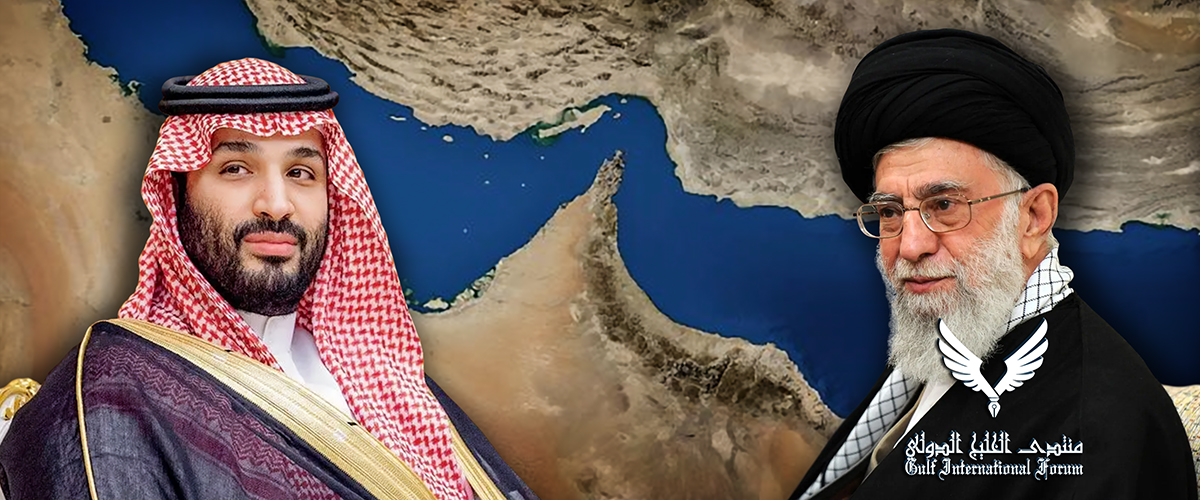
Qatar’s alignment with OPEC+ is also a strategic move to strengthen regional relationships. By collaborating with neighboring oil-producing countries, Qatar can foster a sense of unity in the Gulf region. This collaboration is vital for addressing shared challenges, such as climate change and economic diversification, ensuring that all member states benefit from a stable oil market.
Qatar’s Commitment to Transparency and Accountability
A notable aspect of Qatar’s alignment with OPEC+ is its commitment to transparency and accountability. By being open about its production levels and adhering to agreed-upon quotas, Qatar sets a positive example for other member states. This commitment not only builds trust within the organization but also enhances Qatar’s reputation on the global stage as a responsible oil producer.
The Broader Implications for Energy Markets
Qatar’s alignment with OPEC+ may have broader implications for energy markets worldwide. As more countries recognize the importance of cooperation in stabilizing oil prices, we may see a shift towards more collaborative approaches in energy production. This could lead to new partnerships and alliances, reshaping the global energy landscape for years to come.
Conclusion: Qatar’s Strategic Move Towards Oil Market Stability
In conclusion, Qatar’s alignment with OPEC+ on oil market stability is a significant step that not only benefits the nation but also contributes to a more stable global oil market. By fostering collaboration among oil-producing countries, Qatar enhances its influence in the energy sector while securing its economic interests. As the world continues to evolve in its energy needs, Qatar’s proactive approach will undoubtedly play a crucial role in shaping the future of oil production and consumption.
Do follow Gulf Magazine on Instagram.
Also Read – Football in the Gulf: Why It Remains the Heart of Sports Culture

