

Qatar Boosts Local Food Production for Long-Term Security Qatar has made food security a national priority, transforming a long-standing challenge into an opportunity for innovation, resilience, and sustainability. Once heavily reliant on imports for daily food needs, the country is now steadily building a strong local production ecosystem that supports vegetables, dairy, poultry, and fish. This shift is not just about reducing dependence on external markets; it reflects a broader vision to protect national stability, empower local businesses, and ensure reliable access to fresh, high-quality food for future generations.
Driven by its National Food Security Strategy, Qatar’s approach combines policy reform, investment in advanced technologies, and close collaboration between government and the private sector. The result is a food system that is becoming more self-sufficient, climate-aware, and economically resilient.
A Strategic Shift Toward Self-Reliance
Food security has always been a sensitive issue for countries with limited arable land and harsh climates. For Qatar, the challenge is amplified by its desert environment and water scarcity. Recognizing these realities, the government adopted a long-term strategy that focuses on maximizing local production while using resources efficiently.
Rather than pursuing traditional farming models, Qatar has prioritized smart agriculture, protected cultivation, and modern food production systems. This strategic shift ensures that food security is achieved without over-exploiting natural resources. It also positions the country as a regional leader in innovative agricultural solutions suited for arid climates.
Expanding Local Vegetable Production
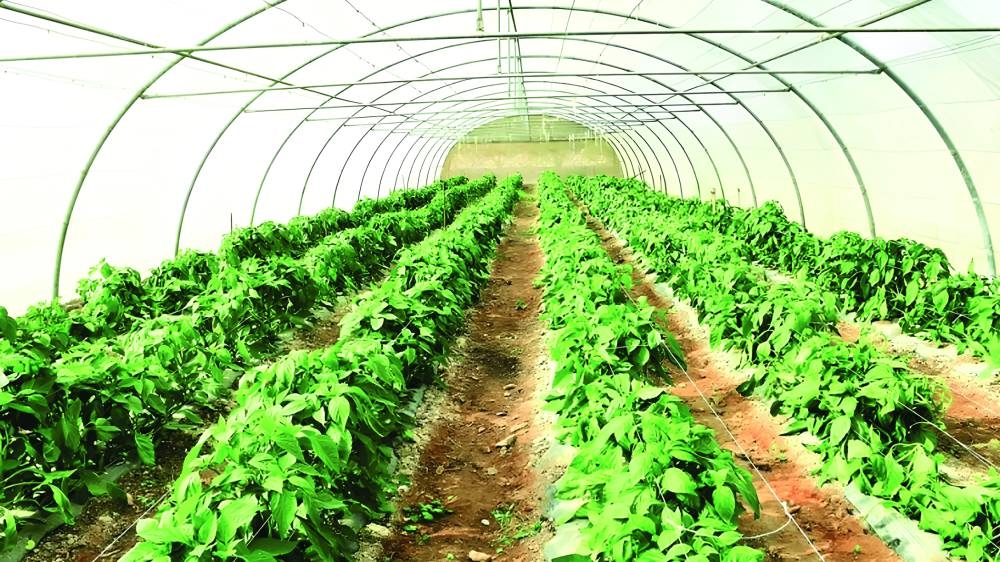
One of the most visible successes of Qatar’s food security drive is the growth of local vegetable farming. Greenhouses, hydroponic systems, and climate-controlled farms have significantly increased domestic output of tomatoes, cucumbers, peppers, lettuce, and leafy greens.
These technologies allow farmers to grow crops year-round, regardless of extreme temperatures. By optimizing water use and controlling growing conditions, local farms are producing higher yields with less waste. As a result, locally grown vegetables are becoming more common in markets and supermarkets, offering fresher produce while reducing transportation costs and carbon emissions.
Consumers are also showing greater trust in local produce, appreciating its freshness and the knowledge that it supports national resilience.
Strengthening the Dairy Sector
Qatar’s dairy industry has become a powerful symbol of the country’s food security ambitions. Through large-scale investments in modern dairy farms, the country has achieved near self-sufficiency in fresh milk, yogurt, and other dairy products.
Advanced cooling systems, animal welfare standards, and efficient supply chains ensure consistent production even in extreme heat. Local dairy brands have grown rapidly, competing confidently with imported products in both quality and price.
Beyond meeting domestic demand, the dairy sector has created employment opportunities, stimulated local logistics networks, and encouraged innovation in food processing and packaging.
Growing Poultry Production
Poultry production is another key pillar of Qatar’s food security strategy. Investments in modern poultry farms, hatcheries, and feed production facilities have significantly increased local output of fresh chicken and eggs.
By focusing on biosecurity, animal health, and efficient production methods, Qatar has improved the reliability and safety of its poultry supply. Local producers are now able to meet a growing share of national demand, reducing exposure to global supply disruptions and price volatility.
This expansion also aligns with consumer preferences for fresh, locally produced protein sources, strengthening confidence in the domestic food system.
Advancing Fisheries and Aquaculture
Fish has long been an important part of the Qatari diet, and the country is now modernizing its fisheries sector to ensure sustainability and consistent supply. Alongside traditional fishing, Qatar has invested in aquaculture projects that produce fish in controlled environments.
These initiatives help reduce pressure on natural fish stocks while ensuring stable production levels throughout the year. By adopting responsible fishing practices and supporting local fishermen, Qatar is balancing economic growth with environmental protection.
Aquaculture facilities are also creating new opportunities for research, skills development, and private sector participation in the food economy.
Sustainability at the Core of Food Security
Sustainability is not an afterthought in Qatar’s food strategy; it is central to every initiative. With limited water resources, the country has prioritized water-efficient technologies such as drip irrigation, hydroponics, and treated wastewater reuse for agriculture.
Renewable energy solutions, including solar power for farms and greenhouses, are further reducing environmental impact. These measures ensure that increased food production does not come at the expense of long-term ecological balance.
By integrating sustainability into food security planning, Qatar is building a system that can endure economic shocks, climate pressures, and population growth.
Supporting Local Farmers and Businesses
The success of Qatar’s food production push depends heavily on the participation of local farmers, entrepreneurs, and agribusinesses. Government support programs, financial incentives, and access to modern infrastructure have empowered small and medium-sized producers to scale up operations.
Training programs and knowledge-sharing initiatives help farmers adopt advanced techniques and improve productivity. At the same time, partnerships with international experts bring global best practices into the local context.
This inclusive approach ensures that food security efforts contribute to broader economic diversification and private sector growth.
Reducing Import Dependence
While imports will continue to play a role in Qatar’s food supply, their relative importance is gradually declining. Increased local production has reduced vulnerability to external shocks, such as supply chain disruptions, trade restrictions, or global price spikes.
A more balanced food supply mix enhances national resilience and provides policymakers with greater flexibility during crises. It also strengthens consumer confidence, knowing that essential food items are produced within the country.
This shift does not isolate Qatar from global markets; instead, it creates a healthier balance between local capability and international trade.
Innovation and Technology Driving Growth
Technology is a major enabler of Qatar’s food security ambitions. From artificial intelligence-driven climate control systems to data-based farm management, innovation is transforming how food is produced and distributed.
Research institutions and innovation hubs are playing an important role in developing solutions tailored to Qatar’s environment. These advancements not only support domestic needs but also position the country as a knowledge hub for food production in arid regions.
Innovation ensures that food security is not a short-term achievement but a continuously evolving system.
Building Consumer Awareness and Trust
Food security is not just about production; it is also about people. Qatar has made efforts to raise consumer awareness about the importance of supporting local food products. Clear labeling, quality standards, and public campaigns help build trust in domestically produced food.
As consumers increasingly choose local options, they reinforce the entire food ecosystem, encouraging further investment and innovation. This cultural shift toward valuing local production strengthens the social dimension of food security.
A Resilient Future for Qatar
Qatar’s progress in boosting local food production reflects a clear and determined vision. By combining strategic planning, sustainability, innovation, and private sector engagement, the country is creating a resilient food system that can withstand future uncertainties.
The journey is ongoing, but the foundations are strong. Local vegetables, dairy, poultry, and fish are no longer just alternatives to imports; they are becoming central to daily life in Qatar.
As the National Food Security Strategy continues to evolve, Qatar stands as a powerful example of how a resource-constrained nation can turn challenges into opportunities. The result is not only greater food security, but also a more confident, self-reliant, and sustainable future for the country and its people.
Do follow Gulf Magazine on Instagram.
Also Read – Oman AgroFood 2026: Driving Sustainable Food Innovation

