

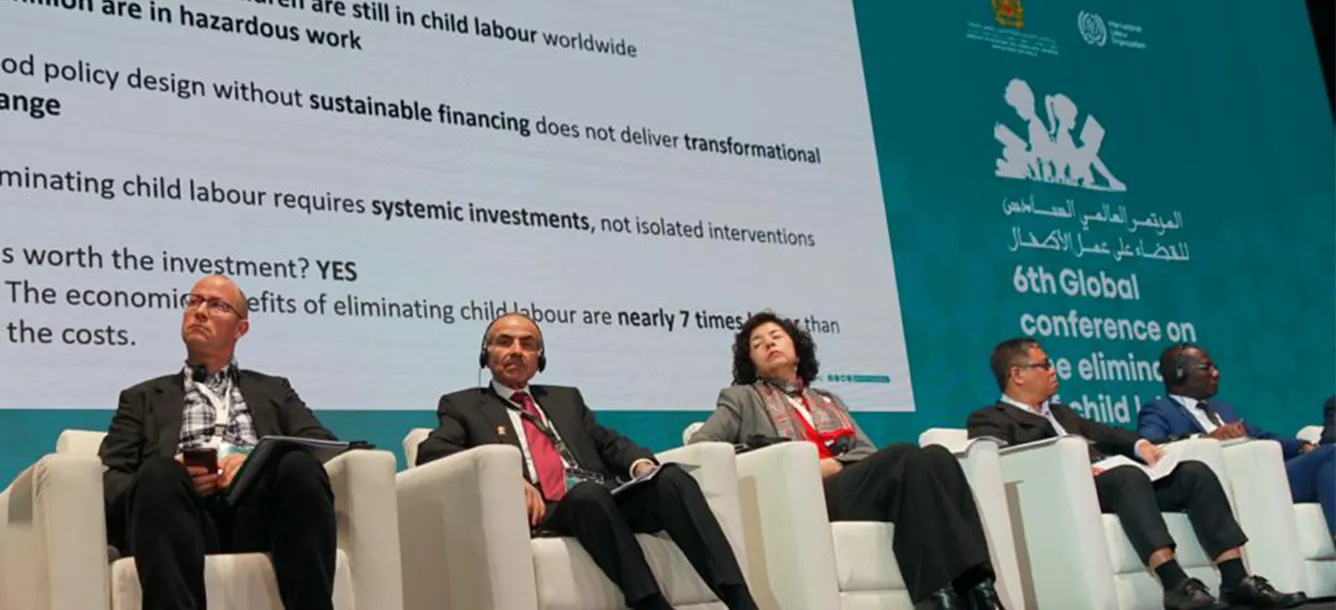
The Qatar Chamber child labour conference participation at the 6th Global Conference on the Elimination of Child Labour has drawn international attention to the role businesses can play in protecting children’s rights and ensuring ethical supply chains. The event brought together governments, international organizations, employers’ groups, trade unions, and civil society leaders to strengthen cooperation and accelerate progress toward ending child labour worldwide.
Representing Qatar’s private sector, Qatar Chamber emphasized that companies are not just economic actors—they are also social stakeholders responsible for upholding human dignity. The chamber’s presence signaled Qatar’s commitment to global labour standards and to safeguarding vulnerable children from exploitation.
A Global Gathering to Protect Children
The conference, organized under the leadership of the International Labour Organization (ILO), serves as the world’s highest-level forum dedicated to eliminating child labour. It is held periodically to review progress, identify challenges, and mobilize new commitments from both public and private sectors.
Child labour remains one of the most persistent human rights issues globally. According to international estimates, millions of children are still engaged in work that deprives them of education, health, and a safe childhood. Many are exposed to hazardous conditions in agriculture, mining, manufacturing, and informal sectors.
By participating in the conference, Qatar Chamber joined a collective effort to accelerate action toward Sustainable Development Goal (SDG) Target 8.7, which aims to eradicate child labour in all its forms.
Why Business Participation Matters
Qatar Chamber child labour conference focus on private sector responsibility
One of the central messages highlighted during the Qatar Chamber child labour conference engagement was that governments alone cannot solve the problem. Businesses play a critical role because supply chains often extend across borders and involve multiple tiers of suppliers.
Companies influence working conditions through:
- Procurement policies
- Supplier standards
- Monitoring mechanisms
- Investment decisions
- Corporate social responsibility programs
Qatar Chamber representatives emphasized that ethical business practices not only protect children but also strengthen brand reputation and long-term sustainability.
“Responsible supply chains are no longer optional—they are essential,” a chamber delegate noted during discussions. “Companies must ensure that their operations do not contribute directly or indirectly to child exploitation.”
Qatar’s Broader Labour Reform Journey
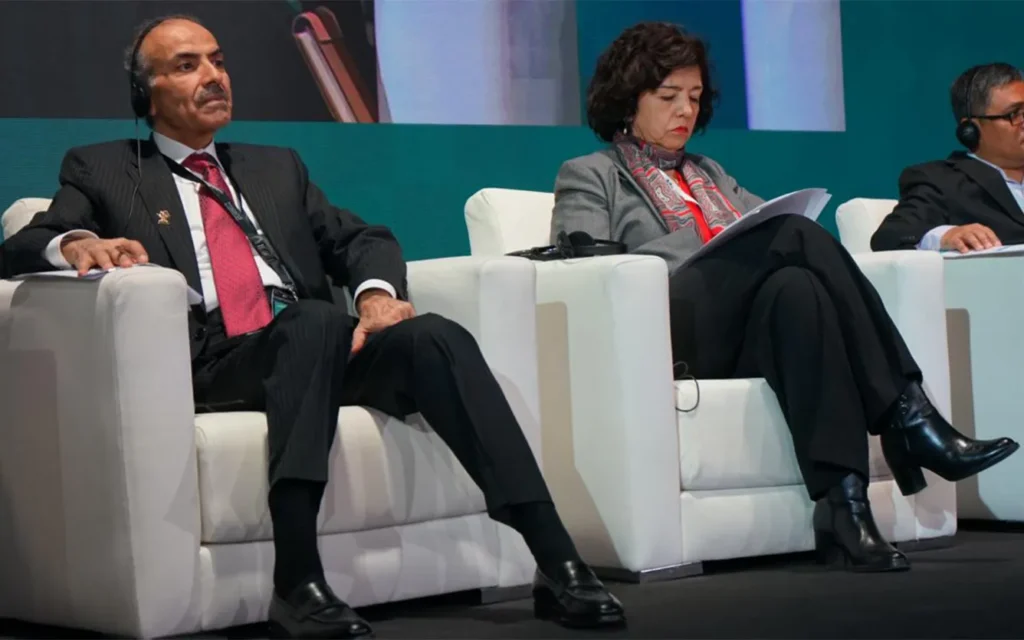
Qatar has undertaken significant labour reforms in recent years, particularly in preparation for hosting major global events and expanding its international partnerships. These reforms have included improvements in worker protections, wage systems, dispute resolution mechanisms, and occupational safety standards.
While child labour is not a widespread issue within Qatar itself due to strict regulations, the country recognizes its responsibility as part of the global economy. Many imported goods originate from regions where child labour risks are higher, making due diligence crucial.
Qatar Chamber stressed that importers, contractors, and multinational companies operating in Qatar must verify that their supply chains comply with international standards.
Collaboration with International Organizations
The conference featured strong cooperation among UN agencies and global institutions. Organizations such as UNICEF and development partners highlighted the importance of education, social protection, and poverty reduction as long-term solutions.
Child labour is often driven by economic hardship. Families may depend on children’s income for survival, particularly in rural or crisis-affected regions. Therefore, eliminating child labour requires comprehensive policies that address root causes—not just enforcement.
Key strategies discussed included:
- Expanding access to free quality education
- Providing financial support to vulnerable families
- Strengthening labour inspections
- Supporting small businesses to adopt ethical practices
- Investing in community awareness programs
The Role of Employers’ Organizations
Employers’ associations like Qatar Chamber act as bridges between governments and businesses. They can disseminate guidelines, provide training, and promote compliance among member companies.
During the conference, Qatar Chamber outlined several initiatives to encourage responsible business conduct:
- Awareness campaigns about labour rights and ethical sourcing
- Workshops for companies on international compliance standards
- Partnerships with global organizations to share best practices
- Support for sustainability reporting and transparency
- Encouragement of corporate social responsibility projects
These efforts aim to ensure that businesses operating in or trading with Qatar uphold the highest ethical standards.
Regional Significance for the Gulf
The Gulf region has become an increasingly influential economic hub, with major investments in infrastructure, energy, and international trade. As Gulf companies expand globally, their policies can influence labour conditions across multiple countries.
Qatar Chamber’s participation demonstrates a regional commitment to responsible globalization. By engaging in international dialogue, Gulf businesses can contribute to shaping fair labour standards worldwide.
Observers note that such participation also enhances the region’s reputation as a partner committed to sustainable development and human rights.
Education as the Key to Prevention
Speakers at the conference repeatedly emphasized that education is the most powerful tool for preventing child labour. When children are in school, they are less likely to enter the workforce prematurely.
Programs highlighted during the event included:
- School meal initiatives to reduce dropout rates
- Scholarships for disadvantaged children
- Flexible learning for working youth transitioning back to school
- Vocational training for older adolescents
Qatar has supported education initiatives globally through development partnerships, recognizing that human capital development benefits both individuals and economies.
Addressing Hazardous Child Labour
Not all work performed by children is classified as child labour. Light tasks that do not interfere with schooling or health may be permitted in some contexts. However, hazardous work—such as exposure to dangerous chemicals, heavy machinery, or extreme conditions—is strictly prohibited.
Conference participants stressed the urgent need to eliminate the worst forms of child labour, including:
- Forced labour
- Trafficking
- Commercial sexual exploitation
- Recruitment of children in armed conflict
- Dangerous industrial work
International cooperation is essential to combat these practices, which often operate across borders.
Supply Chain Transparency in the Digital Age
Modern technology offers new tools for monitoring labour practices. Companies are increasingly using digital platforms to trace materials from source to final product, reducing the risk of hidden exploitation.
Qatar Chamber representatives expressed interest in leveraging innovation to enhance transparency, including:
- Blockchain-based tracking systems
- Supplier certification programs
- Real-time reporting mechanisms
- Data-driven risk assessments
Such tools can help companies identify problem areas early and take corrective action.
Voices from Youth and Civil Society
The conference also provided a platform for young people and grassroots organizations. Former child labourers shared personal stories, reminding delegates that behind statistics are real lives affected by poverty and inequality.
Civil society groups emphasized that community engagement is essential. Policies designed without local input may fail to address practical realities on the ground.
Challenges That Remain
Despite decades of progress, global crises—including pandemics, conflicts, and climate change—have increased the risk of child labour in many regions. Economic shocks push vulnerable families into survival mode, sometimes forcing children into work.
Participants highlighted several ongoing challenges:
- Weak enforcement in some countries
- Informal economies that are difficult to regulate
- Migration and displacement
- Limited access to education in remote areas
- Gender disparities affecting girls
Addressing these issues requires sustained commitment and funding.
Qatar Chamber child labour conference outcomes and commitments
The Qatar Chamber child labour conference engagement concluded with renewed pledges to strengthen collaboration among governments, businesses, and international organizations.
Key commitments included:
- Promoting ethical business practices across member companies
- Supporting awareness initiatives on child protection
- Encouraging compliance with international labour standards
- Exploring partnerships for development projects in vulnerable regions
These commitments align with broader global efforts to ensure that economic growth does not come at the expense of children’s wellbeing.
Looking Ahead: A Shared Responsibility
Eliminating child labour is not merely a legal obligation—it is a moral imperative. Every child deserves the chance to learn, play, and grow in a safe environment.
Qatar Chamber’s participation demonstrates that the private sector recognizes its role in building a fairer world. By working alongside international organizations, governments, and civil society, businesses can help transform supply chains into forces for positive change.
Conclusion
The Qatar Chamber child labour conference participation at the 6th Global Conference on the Elimination of Child Labour underscores the importance of collective action in addressing one of the world’s most pressing social challenges. While significant progress has been made, millions of children still face exploitation that robs them of their future.
Through responsible business practices, international cooperation, and sustained investment in education and social protection, the global community can move closer to ending child labour once and for all.
Qatar Chamber’s engagement sends a clear message: economic success and human dignity must go hand in hand. Only by prioritizing the rights of children can societies build truly sustainable and inclusive growth.
Do follow Gulf Magazine on Instagram
Also Read – Damasca One: 7 Amazing Reasons to Visit This Syrian Gem

