

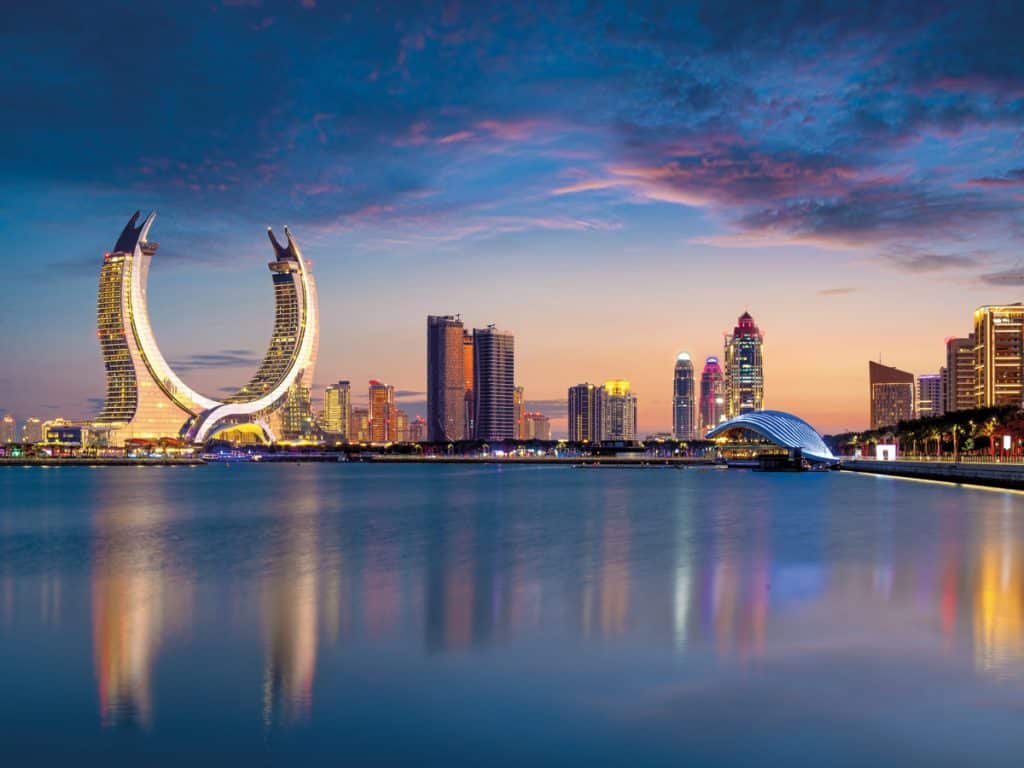
Qatar hospitality industry has witnessed a remarkable transformation in the aftermath of the FIFA World Cup 2022. While many predicted that the country’s tourism and hotel boom would fade after the global sporting event, the opposite has happened. Instead, Qatar has managed to sustain the momentum, boosting its hospitality revenues through smart investments, tourism diversification, and positioning itself as a leading luxury destination in the Middle East.
The success of the World Cup acted as a launchpad for Qatar’s hospitality industry, not just in the short term but also in creating a strong foundation for long-term growth. With new hotels, world-class restaurants, cultural attractions, and international events, the nation has turned its sporting legacy into a powerful engine for economic expansion.
How the World Cup Transformed Qatar’s Hospitality Sector
The FIFA World Cup 2022 was more than a sports tournament for Qatar—it was a nation-branding exercise. Hosting the world’s most-watched sporting event brought in over 1.4 million visitors during the competition. To prepare for this surge, Qatar invested billions in developing new hotels, resorts, transportation systems, and entertainment venues.
The tournament created a significant boost in global visibility for Qatar. Cities like Doha became synonymous with luxury, modern architecture, and unmatched Arab hospitality. The rapid construction of stadiums, hotels, and tourist attractions ensured visitors had top-notch experiences. But the real success story lies in how Qatar managed to keep these assets relevant even after the event ended.
Instead of witnessing a decline in demand, the country has kept its hotel occupancy rates high, thanks to ongoing global tourism campaigns and business-friendly policies.
Post-World Cup Strategies Driving Hospitality Revenues
After the final whistle blew in December 2022, Qatar faced an important question: how to keep visitors coming? The government, together with the private sector, devised a multi-pronged strategy to ensure the sustainability of the hospitality boom.
1. Expanding Beyond Sports Tourism
While sports remain an essential draw, Qatar is now positioning itself as a hub for cultural tourism, wellness travel, and luxury shopping. The opening of cultural centers like the National Museum of Qatar and the Museum of Islamic Art has provided visitors with enriching experiences that go beyond football.
2. Hosting Mega Events and Conferences
Qatar has become a prime location for global conferences, expos, and concerts. Events like the Geneva International Motor Show in Doha, the Qatar International Food Festival, and annual business summits attract thousands of international participants, filling hotels and restaurants year-round.
3. Promoting Luxury and Experiential Travel
High-end resorts in the Pearl-Qatar and Lusail, combined with desert retreats, wellness spas, and private island resorts, are targeting affluent travelers. These offerings have significantly boosted revenue per room in luxury hotels.
4. Strategic Airline Connectivity
Qatar Airways, the national carrier, continues to play a vital role in driving tourism. By expanding routes to Europe, Asia, and the Americas, the airline ensures a steady influx of tourists, business travelers, and transit visitors who often extend their stays in Doha.
The Rise of Hotels and Resorts in Doha and Beyond
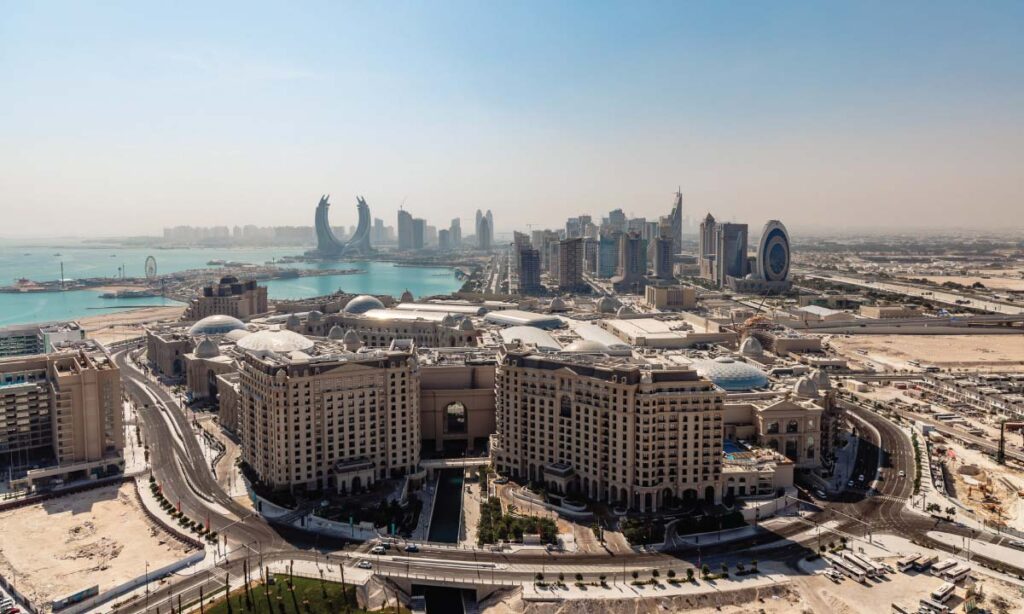
The country’s hospitality industry saw an unprecedented hotel boom in the lead-up to the World Cup. More than 50 new hotels and serviced apartments were added, ranging from international five-star chains to boutique properties.
In Doha, luxury hotels such as the St. Regis, Mondrian, and Mandarin Oriental have continued to enjoy strong occupancy rates. Outside the capital, resorts like Banana Island Resort and desert lodges in Al Khor and Al Wakrah are attracting visitors seeking unique Arabian experiences.
Interestingly, mid-range and budget hotels are also performing well, as Qatar broadens its tourism offerings to appeal to families, backpackers, and regional travelers from nearby GCC countries.
Qatar’s Tourism Goals and Vision 2030
The hospitality industry’s growth ties closely with Qatar National Vision 2030, a strategy aimed at diversifying the economy beyond oil and gas. Tourism is central to this vision, with an ambitious target of attracting six million annual visitors by 2030.
To achieve this, Qatar Tourism has been running campaigns in Europe, Asia, and the US, branding the country as a “must-visit” destination for cultural experiences, luxury shopping, and desert adventures. Cruise tourism is also gaining traction, with Doha Port welcoming international liners that bring thousands of travelers at once.
Key Factors Sustaining Growth in the Hospitality Sector
Several factors explain why Qatar’s hospitality industry has not only survived but thrived after the World Cup:
- Global Visibility: The tournament put Qatar on the international map as a luxury and safe destination.
- Diverse Offerings: From desert safaris to luxury shopping, Qatar caters to multiple types of travelers.
- Infrastructure Legacy: Modern stadiums, metro systems, and airports built for the World Cup now serve tourism and business.
- Business-Friendly Policies: Visa-on-arrival facilities for citizens of many countries encourage spontaneous travel.
- Strong Airline Network: Qatar Airways’ global expansion supports tourism inflow.
Challenges and Opportunities Ahead
Despite impressive growth, the Qatar hospitality industry faces some challenges. Seasonal tourism peaks create uneven demand, with winters being the busiest months and summers relatively quiet. Moreover, competition from regional giants like Dubai and Saudi Arabia means Qatar must continuously innovate.
However, opportunities remain vast. By focusing on niche travel markets such as eco-tourism, wellness retreats, and cultural heritage tourism, Qatar can carve a unique identity. Investments in digital tourism platforms and smart hospitality services will also enhance the guest experience.
The Long-Term Impact on Qatar’s Economy
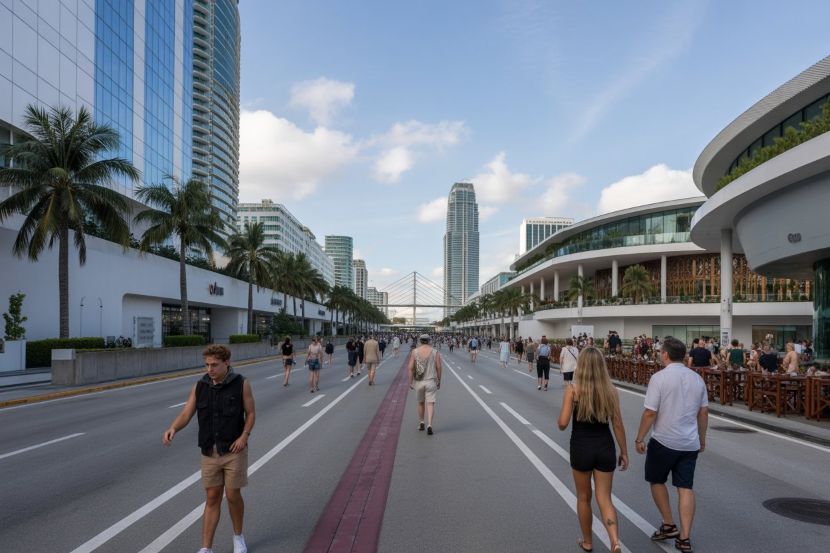
The hospitality boom has had ripple effects across multiple sectors of Qatar’s economy. Local businesses, from restaurants and cafes to transport services, have benefited from increased visitor spending. Job creation in hotels, travel agencies, and event management has opened new career paths for citizens and expatriates alike.
More importantly, the sustained growth of the hospitality sector contributes to economic diversification. By reducing dependence on hydrocarbons, Qatar is building a more resilient and sustainable economy.
Looking Ahead: What Tourists Can Expect in Qatar
Travelers to Qatar can look forward to a blend of modern luxury and authentic cultural experiences. Highlights include:
- Doha Corniche: A scenic waterfront with skyscrapers, restaurants, and walking trails.
- Souq Waqif: A traditional market offering spices, textiles, and handicrafts.
- Katara Cultural Village: A hub for art, music, and theater.
- Luxury Resorts: Desert glamping, private island stays, and five-star spa retreats.
- Sports Legacy: Stadiums now converted into event venues and tourist attractions.
Qatar continues to position itself as not just a transit stop but a destination worth exploring in depth.
Conclusion
Qatar hospitality industry is thriving post-World Cup, defying early predictions of a decline. The country has successfully transformed a global sporting event into a long-term tourism strategy, making hospitality one of the strongest pillars of its economy. By focusing on luxury travel, cultural attractions, mega-events, and global connectivity, Qatar ensures its hotels, resorts, and restaurants remain full long after the final match ended.
The journey ahead is filled with opportunities, and if current trends continue, Qatar is well on its way to becoming a top global destination where Arabian heritage meets modern hospitality excellence.
Do Follow Gulf Magazine on Instagram
Also read: Smart Metering: 5 Powerful Ways Transforming Utilities Management in Kuwait

