

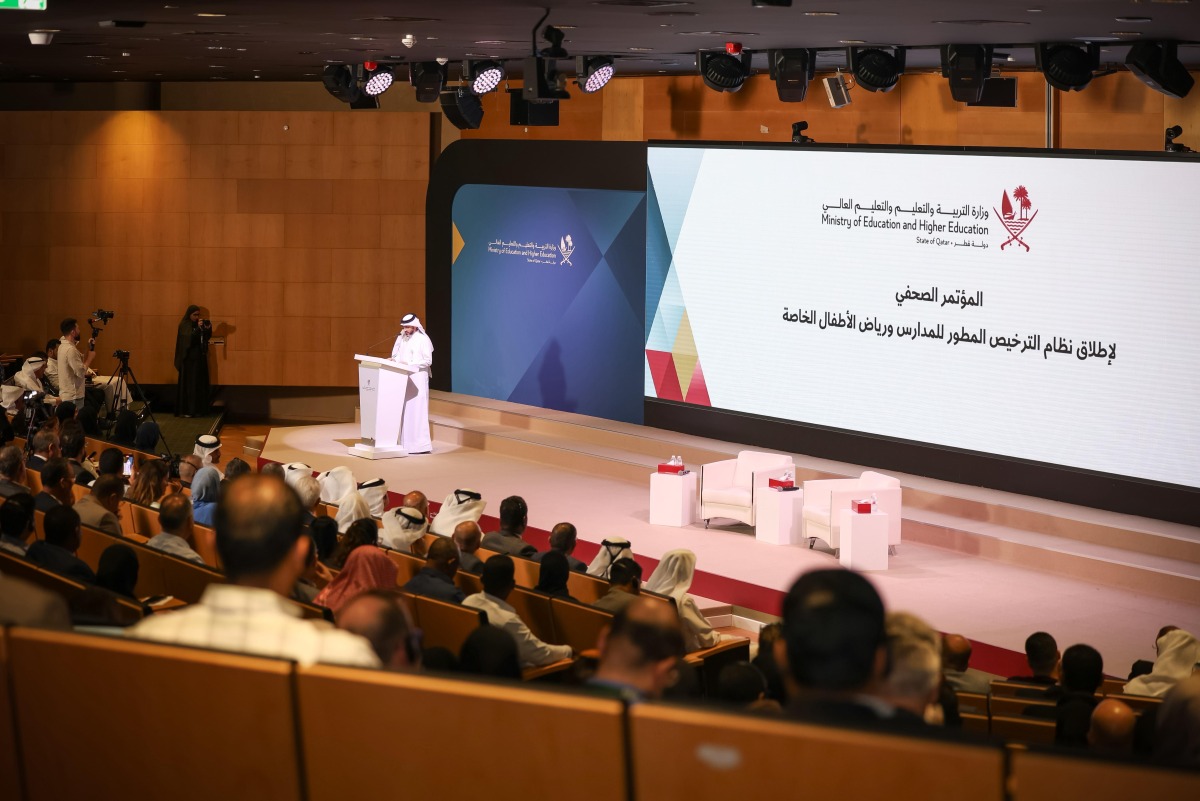
Qatar private schools licensing has undergone a major reform, introducing a new system that significantly reduces operational costs and creates opportunities for growth across the education sector. This initiative is designed to streamline approvals, empower school leaders, and make high-quality education more accessible to families nationwide.
For many school owners and educators, the move represents a major opportunity to enhance the quality of education without the burden of excessive fees or bureaucratic hurdles. Families, too, can expect positive ripple effects, as lower costs may eventually translate to more affordable tuition fees, widening access to high-quality education.
Streamlined Processes Drive Efficiency
One of the central features of the new system is its streamlined licensing process. Previously, private schools often faced complex, time-consuming procedures that involved multiple agencies and layers of approval. These procedures not only delayed school operations but also added significant financial pressure.
Under the new licensing framework, schools can now obtain approvals more quickly, with digital submission options and standardized guidelines. This efficiency allows schools to focus resources on teaching, curriculum enhancement, and student welfare rather than administrative bottlenecks.
Cost Reductions Empower Schools and Students
Financially, the impact of the licensing reform is substantial. Many private schools have reported that the new system reduces unnecessary expenses, freeing up budgets for critical areas such as staff development, educational technology, and extracurricular programs.
For parents, this is equally significant. Schools may be able to lower tuition fees or reinvest in quality programs that benefit students directly. Over time, this could make private education in Qatar more competitive and accessible, encouraging families to explore diverse learning options without financial strain.
Supporting Educational Innovation
Beyond cost savings, the licensing system encourages innovation in teaching methods and curriculum design. By reducing administrative pressures, school leaders have more bandwidth to experiment with new pedagogical approaches, integrate technology, and introduce programs that cater to a wide range of student interests.
Qatar’s education authorities have emphasized that the reform is not just about cutting costs but also fostering a culture of continuous improvement. Schools are now better positioned to develop unique learning models that align with global standards while reflecting the nation’s cultural and educational priorities.

Enhancing Teacher Development and Retention
Teachers stand to benefit considerably from the new system. With more funds and resources available, schools can invest in professional development, training workshops, and incentives that help attract and retain high-quality educators.
Retention is particularly crucial in the private sector, where turnover can affect the consistency of education. By providing schools with more operational flexibility, teachers can enjoy a more stable and supportive environment, which in turn benefits students and the broader school community.
Encouraging Investment in Education
The reform also sends a strong signal to investors and education entrepreneurs. A simplified licensing framework reduces barriers to entry for new private schools and encourages expansion by existing institutions.
This could lead to increased competition, higher standards, and a wider range of educational offerings. Investors now see Qatar as a favorable destination for long-term growth in the private education sector, knowing that regulatory complexities have been minimized.

A Step Toward Global Educational Leadership
Qatar has long aspired to be a regional leader in education, and this reform aligns perfectly with that vision. By supporting private schools with cost-effective licensing, the country is laying the groundwork for a vibrant and dynamic education ecosystem.
As schools innovate, invest in quality programs, and make education more affordable, Qatar strengthens its reputation as a hub for excellence in teaching and learning. Families, educators, and policymakers all stand to benefit from this forward-thinking approach.
Impact on Students and Families
Ultimately, the most significant beneficiaries are students. Reduced operational costs, enhanced educational programs, and innovative teaching methods translate into better learning experiences. Students can access more diverse curricula, participate in enriched extracurricular activities, and benefit from well-supported teachers.
For families, the reform signals a commitment to education that is both high-quality and financially sustainable. Parents can expect more transparency, predictability in tuition costs, and improved outcomes for their children.
Looking Ahead: Future Opportunities
The new licensing system is just the beginning. With ongoing monitoring and feedback, authorities aim to refine the process further, ensuring it continues to meet the needs of schools, students, and families alike.
Private schools now have the freedom to explore new models, expand campuses, and introduce innovative learning technologies. Over time, this will foster a more competitive, inclusive, and globally recognized education landscape in Qatar.
Conclusion: A Positive Shift for Qatar’s Private Schools
Qatar’s new private school licensing system is more than a regulatory change—it’s a transformative step toward affordable, innovative, and high-quality education. By cutting costs, supporting teachers, and empowering school leaders, the nation is investing in the future of its students and positioning itself as a regional education powerhouse.
Families, educators, and investors alike are likely to witness tangible benefits, marking this initiative as one of the most impactful reforms in Qatar’s education sector in recent years.
Do follow Gulf Magazine on Instagram.
Also Read – Qatar Education Market Set to Reach $13 Billion by 2026

