

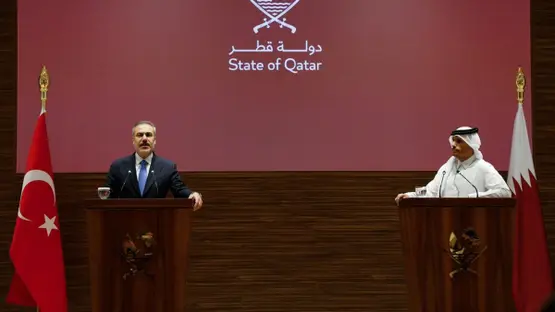
Qatar Reports Modest has announced a slight advancement in its efforts to mediate a ceasefire between Israel and Hamas in Gaza. While the development is considered a positive step, significant challenges remain in reaching a comprehensive peace agreement. Qatar’s diplomatic role in facilitating these peace talks highlights the complexities of the ongoing conflict, with both sides showing reluctance to make the necessary compromises.
Qatar’s Role in the Mediation Process
Qatar has been at the forefront of diplomatic efforts in the Middle East, using its position as a mediator to bring Israel and Hamas to the negotiation table. Along with Egypt, Qatar has played a central role in organizing discussions, proposing ceasefire agreements, and attempting to broker peace. The country’s involvement is critical, given its relatively neutral stance in the region compared to other nations involved in the conflict. However, Qatar’s attempts to mediate peace have not been without challenges, as each round of talks has faced setbacks, largely due to unresolved issues surrounding the hostages and the cessation of hostilities.

The Qatari government, under the leadership of Prime Minister Sheikh Mohammed bin Abdulrahman Al Thani, has remained persistent in its mediation efforts. Despite the numerous failed attempts at achieving a ceasefire in Gaza, Qatar continues to prioritize diplomatic dialogue as the path to peace. The Prime Minister has publicly stated that progress has been made in recent discussions but cautioned that there is still a long way to go before a lasting agreement is reached. His remarks indicate that while there is momentum, the final resolution is far from certain.
Recent Developments and Negotiations
In a recent press briefing, Prime Minister Sheikh Mohammed reported that talks between Israel and Hamas have shown some signs of progress, with both sides reportedly softening their positions on several issues. This development, while modest, is being regarded as a breakthrough in the otherwise stagnant peace process. However, the Prime Minister stressed that no agreement had been finalized and that negotiations are ongoing.
The discussions have focused on several key issues, including the possibility of hostages being released by Hamas and the demands for Israel to halt its military operations in Gaza. Reports suggest that Hamas has expressed a willingness to release more hostages, but only under the condition that Israel ceases its airstrikes and ground operations in Gaza. On the other hand, Israel has insisted on the immediate and unconditional release of all hostages, with little room for compromise on this matter. These opposing demands have created significant tension, as each side remains firm in its stance.
The Role of Hostages in the Negotiations
The issue of hostages remains one of the most contentious aspects of the ceasefire talks. Israel has long demanded the release of all hostages held by Hamas, with the Israeli government asserting that any meaningful peace talks must include the full liberation of its citizens. On the flip side, Hamas has used the hostages as leverage in its negotiations, arguing that their release is contingent upon the cessation of military activity by Israel in Gaza.
This deadlock has created a complex diplomatic situation, as the humanitarian cost of the continued conflict weighs heavily on both sides. The international community has also expressed concern about the fate of the hostages and the toll the ongoing violence is taking on civilians in Gaza. Various global leaders and organizations, including the United Nations, have called for both parties to reach an agreement that prioritizes humanitarian relief and the safety of civilians above all else.
Humanitarian Crisis in Gaza
As the conflict rages on, the humanitarian crisis in Gaza continues to deepen. Over the past several months, the region has experienced severe infrastructure damage, widespread displacement of civilians, and an ongoing shortage of essential supplies such as food, water, and medicine. According to reports from international aid organizations, hospitals are overwhelmed with casualties, and many families are living in dire conditions due to the destruction of their homes.
The United Nations has issued multiple appeals for an immediate ceasefire to allow humanitarian aid to reach those in need. However, the lack of a comprehensive agreement on a ceasefire has made it difficult for aid to reach affected areas in a timely manner. Both sides of the conflict have been accused of obstructing the flow of humanitarian assistance, further exacerbating the suffering of civilians trapped in the war zone.
The prolonged fighting has also led to a significant loss of life on both sides, with thousands of people killed and injured since the conflict erupted. The toll on Gaza’s civilian population has been particularly devastating, as the dense urban environment makes it difficult for civilians to escape the violence. As the situation continues to worsen, there are growing calls for an immediate ceasefire to alleviate the suffering and create conditions for lasting peace.
International Support for Qatar’s Mediation Efforts
The international community has largely supported Qatar’s mediation efforts, with countries around the world acknowledging the country’s role as a neutral facilitator of peace talks. The United States, the European Union, and various Middle Eastern nations have expressed their backing for Qatar’s involvement in the negotiations, underscoring the importance of continued diplomatic dialogue in resolving the crisis.
In particular, Qatar’s diplomatic efforts have been praised for their consistency and patience, despite the numerous challenges it has faced in brokering peace. International organizations such as the United Nations and the International Red Cross have also been involved in the talks, offering their expertise and resources to help facilitate a ceasefire. These global players have urged both Israel and Hamas to engage in meaningful dialogue and work toward a peaceful resolution of the conflict.
Challenges and Obstacles in the Path to Peace
Despite the modest progress reported by Qatar, several obstacles remain in the path to a comprehensive peace agreement. In addition to the hostages issue, there are disagreements over the terms of a potential ceasefire, as well as the long-term political future of Gaza. Both sides have their own vision of what a final peace deal should look like, and these visions are often in direct conflict.
Furthermore, the broader geopolitical context complicates the situation. Regional powers such as Iran, Saudi Arabia, and Egypt have their own interests in the conflict, and their involvement adds layers of complexity to the peace process. The rivalry between regional powers and the involvement of other global actors has created a difficult diplomatic environment for any potential resolution.
Conclusion
While Qatar’s recent announcement of modest progress in ceasefire talks is a step forward, the path to a lasting peace agreement remains fraught with challenges. The negotiations are far from over, and the parties involved must continue to work toward a resolution that prioritizes the safety and well-being of civilians. Continued diplomatic efforts, genuine commitment from all parties, and international support will be crucial in achieving a comprehensive ceasefire and addressing the humanitarian crisis in Gaza.
The situation in Gaza remains dire, but there is hope that, with persistence and negotiation, a lasting peace can be achieved in the region. The world watches closely as Qatar’s mediation efforts continue to unfold, hopeful that this time, the ceasefire talks may lead to a more stable and peaceful future for Gaza.
Technip Energies Wins $10 Billion EPC Contract for Qatar LNG Project

