

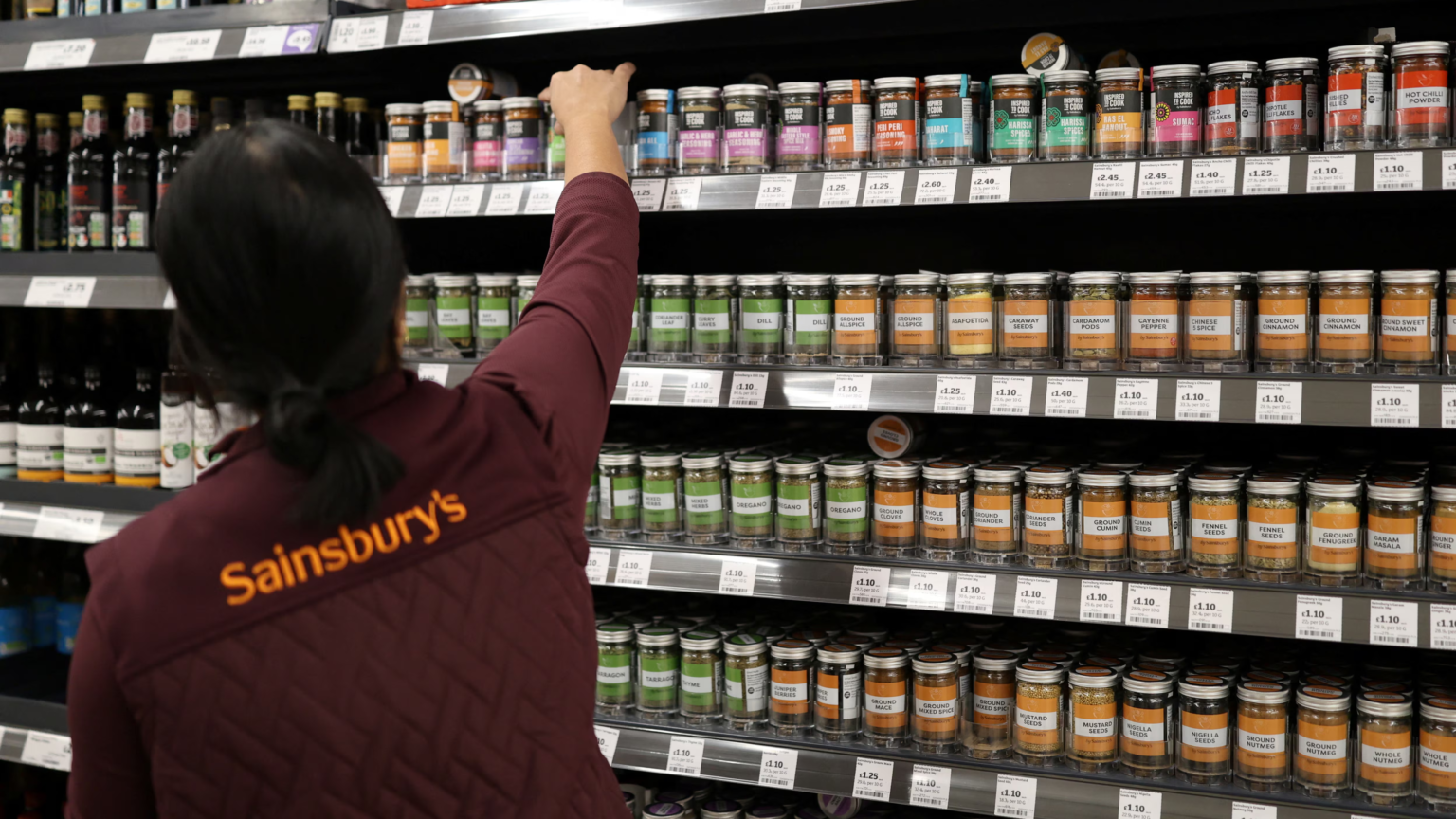
Qatar is preparing to sell a significant portion of its long-held stake in Sainsbury’s, valued at around $360 million. This move comes at a time when the British supermarket chain’s shares have rallied strongly, giving Qatar an opportunity to realise substantial gains. The decision reflects not only a well-timed financial strategy but also a shift in how global investors are balancing long-term holdings with evolving market priorities.
For more than a decade, Qatar has been one of the largest external shareholders in Sainsbury’s. Its investment was once considered a stepping stone toward deeper expansion into the UK’s retail sector. Today, the planned sale suggests a new direction—one that aligns with Qatar’s broader approach of strengthening liquidity, reallocating capital, and focusing on sectors that promise higher strategic impact.
The timing of the sale has naturally captured attention across financial markets. After a period of volatility in the retail sector, Sainsbury’s recent share rally has created an ideal exit window. For Qatar, this move is not about stepping away from opportunity but about reinforcing a disciplined investment philosophy that has defined its global portfolio.
Why Sainsbury’s Share Rally Changed the Equation
The recent surge in Sainsbury’s stock price is a key factor behind Qatar’s decision. The supermarket chain has undergone a positive turnaround driven by improved operational efficiency, stronger digital sales, and a renewed focus on price competitiveness. These efforts have helped it regain trust among UK consumers and strengthened its position in a crowded retail landscape.
As the company regained momentum, investor sentiment shifted sharply. Analysts began highlighting Sainsbury’s resilience in a highly inflationary environment, strong customer loyalty, and progress in streamlining supply chains. This renewed confidence translated into upward stock movement, giving long-term shareholders like Qatar an attractive opportunity to reduce exposure while maximising returns.
It is a textbook example of smart portfolio management. When shares rise on the back of real performance improvements, long-term investors often reassess their holdings and choose to realise gains. Qatar’s move follows this logic perfectly, showing that the timing was not just favourable, but strategic.
Understanding Qatar’s Investment Journey with Sainsbury’s

Qatar’s relationship with Sainsbury’s goes back many years. It was once among the supermarket’s largest and most influential investors. When Qatar initially bought into the retailer, the British supermarket landscape was undergoing rapid transformation. Consumer habits were shifting, discount chains were growing, and digital grocery shopping was gaining traction.
Qatar’s early investment reflected its belief in Sainsbury’s long-term potential. Over time, the retailer weathered significant competition, adapted its model, and emerged stronger. Today, Qatar’s decision to sell does not diminish that legacy. Instead, it highlights a natural evolution in its investment cycle.
This journey reflects how sovereign funds and major global investors operate: they enter with long-term vision, monitor market conditions, and exit when both financial and strategic factors align. For Qatar, Sainsbury’s has been a successful chapter, and closing it now allows the country to redirect capital into other promising avenues.
A Signal of Growing Market Confidence
Interestingly, Qatar’s move is being interpreted by analysts as a sign of broader market confidence rather than concern. Selling after a rally often indicates belief in stable market conditions and trust in the asset’s continued performance even without the large shareholder’s influence.
The fact that Qatar is comfortable exiting a major position suggests that Sainsbury’s is viewed as capable of sustaining its growth independently. Investors often worry when major shareholders rush to exit during times of weakness. Here, the opposite is true. The exit is happening from a position of strength.
This dynamic sends a positive message to the market: Sainsbury’s is on stable footing, its turnaround strategy is delivering results, and investor sentiment is robust enough to absorb major stake changes without destabilising the stock.
How the Sale Could Reshape Sainsbury’s Shareholder Landscape
Large stake sales naturally prompt questions about how the shareholder structure will evolve. Qatar’s exit may open the door for new institutional investors, retail shareholders, or existing stakeholders looking to increase their position.
This type of shift can bring fresh energy into a company. New investors often contribute different expectations, strategic ideas, and market perspectives. For Sainsbury’s, this reshuffling could accelerate its growth trajectory, especially if the incoming investors are long-term oriented.
At the same time, Qatar’s experience shows that the retailer has been a reliable performer in global portfolios. Whoever steps in to acquire the divested shares will likely view Sainsbury’s as a valuable and stable investment, particularly in a sector that continues to show resilience despite economic pressures.
A Closer Look at Qatar’s Broader Investment Strategy
Qatar is not just making an isolated decision about Sainsbury’s. This move fits into a larger shift in its global investment approach. The country has been actively rebalancing its portfolio, prioritising sectors linked to future economic transformation—technology, energy transition, logistics, global real estate, and infrastructure.
Sovereign funds like Qatar’s regularly refine their long-term strategies. Selling mature positions allows them to channel capital into emerging areas with potentially higher returns or greater strategic value. In this context, reallocating capital from a traditional retail investment toward innovation-driven sectors seems consistent with global trends.
Moreover, Qatar’s sovereign wealth entities have been increasingly involved in partnerships that support economic diversification. Releasing funds from older investments can accelerate this national agenda, helping to build new industries that will drive future growth.
Sainsbury’s Strengthening Position in a Competitive Market
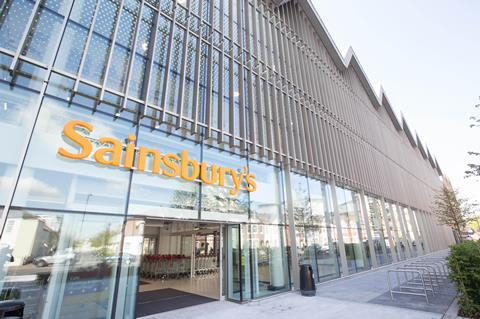
While Qatar realigns its priorities, Sainsbury’s is simultaneously strengthening its competitive position in the UK market. The retailer has focused heavily on improving customer experience, expanding digital convenience, and stabilising prices during a period of global inflation.
Several factors have contributed to the retailer’s renewed performance:
Operational Efficiency
Sainsbury’s has streamlined processes, reduced costs, and optimised its supply chain—allowing it to offer better value to consumers.
Digital Growth
Online grocery demand continues to grow in the UK. Sainsbury’s investment in digital platforms has positioned it well to compete with both traditional chains and app-based grocery services.
Customer Loyalty
The company’s brand loyalty remains strong, supported by its long-standing reputation and consistent quality.
Strategic Pricing
By focusing on price competitiveness, Sainsbury’s has been able to retain shoppers during tough economic periods.
These improvements collectively helped lift the retailer’s stock, setting the stage for Qatar’s well-timed exit.
How Markets React to Large Shareholder Exits
Large-scale stake sales often spark market speculation. But in cases like this, when an exit is aligned with strong performance, markets typically respond with stability or even optimism. Investors evaluate the fundamentals rather than panic about the departure of a long-term shareholder.
Moreover, such sales often introduce additional liquidity into the market. This makes the shares more accessible to new investors, potentially increasing interest in the stock over time.
In Sainsbury’s case, analysts expect the company to continue benefiting from strong fundamentals. The retailer’s improved performance metrics suggest that the company is on a sustainable path, reducing the likelihood of any negative impact from the shareholder shift.
Global Retail Investment Trends Influencing the Decision
The retail sector has undergone significant transformation in recent years. Changing consumer habits, technological disruption, and rising operational costs have forced companies to adapt rapidly. Investors have become more selective, favouring retailers that demonstrate resilience, digital capability, and cost discipline.
Qatar’s decision aligns with global investment trends:
Shift Toward High-Growth Sectors
Many sovereign funds are reallocating capital toward sectors offering higher long-term returns, such as technology and sustainability.
Rebalancing Mature Investments
Retail, while stable, is considered a mature sector. Holding such assets too long may limit growth opportunities.
Rising Importance of Liquidity
Global economic uncertainties have made liquidity more valuable. Selling major stakes strengthens financial flexibility.
Thus, Qatar’s move reflects a strategic adaptation to global investment patterns.
What This Means for the Future of Sainsbury’s

While the stake sale is significant, Sainsbury’s future remains promising. The company has shown resilience, adaptability, and an ability to evolve with changing consumer needs. With strong leadership and a renewed focus on growth, Sainsbury’s is well-positioned to continue its upward trajectory.
Incoming shareholders may offer fresh momentum to the company. The combination of improved performance, strong customer loyalty, and new investor interest creates a stable foundation for future expansion.
Furthermore, the retailer’s digital transformation efforts are expected to play a crucial role in shaping its next chapter. As shopping habits continue shifting toward convenience and online platforms, Sainsbury’s is better equipped than many competitors to capture this growing demand.
A Humanised Perspective on Strategic Change
At the heart of this financial development lies a human story of strategy, evolution, and adaptability. Qatar’s investment represented a vision of partnership between nations and industries. Its exit represents a natural progression, a shift toward new opportunities, and a recognition that markets evolve—and investors must evolve with them.
For Sainsbury’s employees, customers, and stakeholders, the transition is a reminder of the interconnected nature of global finance. Decisions made in boardrooms thousands of miles away can influence the structure of familiar household brands. Yet, the company’s renewed performance and strong consumer focus ensure that the human side of the business remains unchanged.
Sainsbury’s will continue to serve millions of households, support thousands of workers, and adapt to the needs of modern life. Its path forward remains rooted in trust, reliability, and everyday service—values that transcend financial transactions.
Looking Ahead with Optimism
The planned sale of Qatar’s $360 million stake marks the closing of a significant chapter, but it opens new doors for both sides. Qatar gains flexibility for its future investment strategy. Sainsbury’s gains a refreshed shareholder landscape and continued confidence in its performance.
This transition is ultimately a positive development. It reflects strategic maturity, strong market fundamentals, and the natural evolution of global investment cycles. As both Qatar and Sainsbury’s move forward, the emphasis is on growth, opportunity, and adaptability.
The retail sector will continue to transform, and investors will continue to refine their strategies. What remains constant is the pursuit of progress. Qatar’s decision reflects this pursuit, and Sainsbury’s strengthened position underscores it.
Do Follow Gulf Magazine on Instagram
Read More:- Saudi Arabia vs Oman: Exciting Tips to Stream Every Goal Live 2025

