

Qatar’s Commercial Construction Sector Poised for $30 Billion Expansion by 2030
Qatar’s commercial construction industry is set for remarkable growth in the coming years, with its market value projected to rise from USD 19.4 billion in 2024 to an impressive USD 30.38 billion by 2030. This represents a solid compound annual growth rate (CAGR) of 7.6%, according to a new industry report. The forecast signals strong investor confidence, continuous urban development, and the nation’s strategic commitment to achieving the goals of its National Vision 2030.
Driving Forces Behind the Growth
Several key factors are contributing to this steady rise. At the heart of the expansion is Qatar’s ambitious economic diversification plan. For decades, the country has heavily relied on oil and gas revenues. However, the government has shifted its focus toward building a sustainable, knowledge-based economy. This shift has created growing demand across multiple sectors, including finance, real estate, information technology, healthcare, education, and tourism—all of which require new commercial infrastructure.
Major development projects such as Lusail City, Msheireb Downtown Doha, and The Pearl-Qatar are shaping the future of the country’s urban and economic landscape. These projects aim to attract international businesses and investors by offering cutting-edge facilities, innovative design, and strategic locations.
Another major boost came from Qatar’s hosting of the FIFA World Cup in 2022. The global event fast-tracked a wave of construction activity, including stadiums, hotels, highways, airports, and metro systems. With these assets now in place, the country has an enhanced platform to support tourism, trade, and business events for decades to come.
Doha: The Epicenter of Development
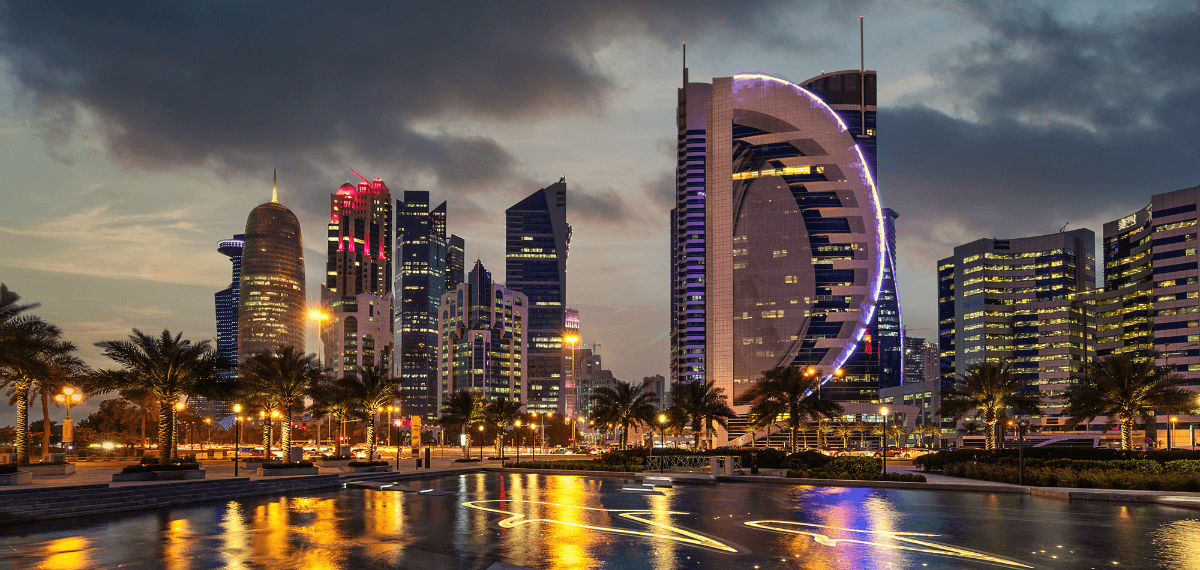
The capital city, Doha, remains the beating heart of Qatar’s commercial development. As the country’s financial and administrative core, Doha is undergoing rapid transformation. The skyline is being reshaped by new high-rise office towers, luxury hotels, retail hubs, and mixed-use developments that blend business with lifestyle.
Key areas such as West Bay, Lusail, and Al Dafna are becoming hot spots for both domestic and international investors. These districts offer world-class infrastructure, smart city features, and close proximity to major institutions and business networks.
Technology and Sustainability: Twin Pillars of Progress
Qatar’s construction industry is not only growing in scale but also evolving in terms of quality and sustainability. The government and private sector are placing significant emphasis on adopting green building practices. There is a noticeable shift toward sustainable architecture, energy-efficient systems, and environmentally friendly materials.
This aligns with Qatar’s broader environmental goals under Vision 2030. Several projects are being designed to meet LEED (Leadership in Energy and Environmental Design) certification standards, encouraging the reduction of carbon footprints and water usage. Smart technologies, including IoT (Internet of Things) integrations, AI-based building management systems, and automated lighting and HVAC systems, are becoming more common in new developments.
Foreign Investment and Public-Private Partnerships
Qatar is increasingly opening its doors to foreign investors. Reforms in property laws now allow non-Qataris to own real estate in designated areas. This has attracted interest from international developers, construction firms, and private equity investors.
Public-private partnerships (PPPs) are also playing a key role in bridging the funding gap and accelerating project delivery. These collaborations are helping to develop a wide range of projects, from transportation hubs and business parks to healthcare centers and logistics zones.
Challenges on the Horizon
Despite its strong growth trajectory, Qatar’s commercial construction sector is not without challenges. One of the primary concerns is the rising cost of raw materials. Global supply chain disruptions and inflationary pressures have driven up prices for critical inputs like cement, steel, glass, and aluminum. These cost increases can put pressure on project budgets and timelines.
Additionally, the industry continues to face labor shortages, especially in skilled trades. Although Qatar has made progress in improving labor rights and workforce welfare, stricter immigration policies and global competition for talent have made recruitment more difficult.
Regulatory hurdles, environmental approvals, and project financing are other areas that stakeholders need to navigate carefully.
Opportunities to Watch
Despite the challenges, the opportunities outweigh the risks. Key growth areas in the coming years include:
- Hospitality and Tourism: With Qatar positioning itself as a regional travel hub, demand for hotels, resorts, and cultural attractions is growing.
- Healthcare and Education: Expanding these sectors will require modern clinics, hospitals, schools, and universities.
- Logistics and Warehousing: As trade and e-commerce rise, there is a need for advanced storage and distribution centers.
- Digital Infrastructure: The tech sector is booming, creating demand for data centers, office complexes, and R&D facilities.
The Road Ahead
Looking forward, Qatar’s commercial construction industry is expected to be a key pillar of its non-oil economy. The synergy between government planning, investor confidence, sustainability goals, and global exposure creates a favorable environment for ongoing development.
As Qatar prepares to welcome more businesses, events, and tourists in the years ahead, its construction sector is not just building structures—but building a future.
Do follow gulf magazine on Instagram
for more information click here

