

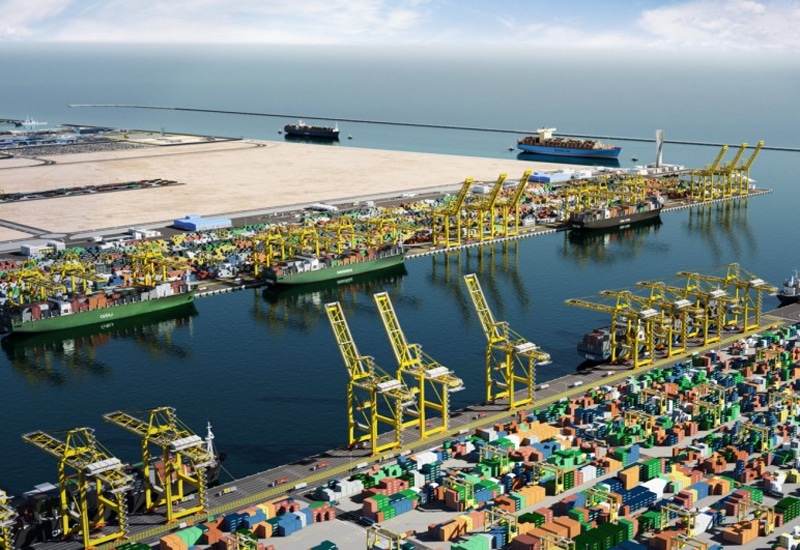
Qatar’s maritime sector has witnessed remarkable growth in recent times, with its major ports—Hamad, Ruwais, and Doha—experiencing substantial increases in ship arrivals and cargo handling. This surge underscores Qatar’s strategic position as a burgeoning hub for regional and international trade, highlighting the nation’s commitment to expanding its logistics and shipping capabilities.
Surge in Ship Arrivals
In January 2025, the three ports collectively welcomed 252 vessels, marking a 16.13% increase compared to the same period in the previous year. This upward trend highlights the growing confidence of global shipping lines in Qatar’s port infrastructure and operational efficiency. The steady increase in ship traffic is a direct result of the country’s continued investment in modernizing its port facilities and implementing advanced digital solutions to streamline operations.
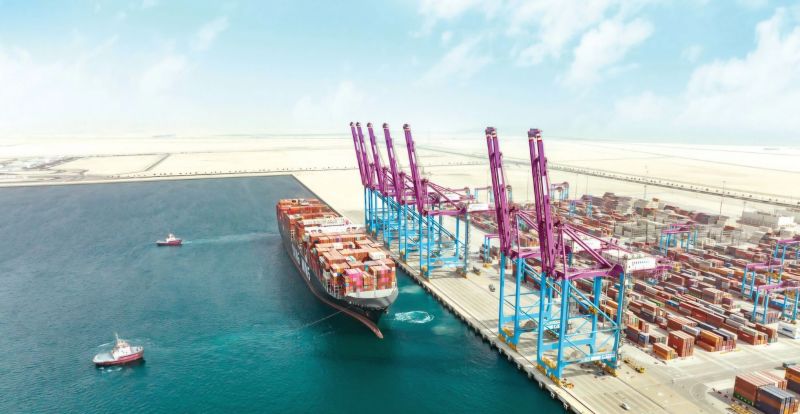
As global trade dynamics shift, Qatar has positioned itself as a key transit point in maritime logistics. The rise in ship arrivals is attributed to several factors, including improved connectivity, strategic trade agreements, and the country’s focus on diversifying its economy beyond hydrocarbons. The government’s investment in the latest port technology, automation, and logistics infrastructure has enhanced the efficiency of its ports, making them more attractive to international shipping lines.
Robust Container Throughput
Container handling has also seen a notable rise. In the first half of 2024, the ports managed 706,983 twenty-foot equivalent units (TEUs), reflecting a 12% growth compared to the same period in 2023. This increase was bolstered by a 24% rise in transshipment activities at Hamad Port, the country’s largest commercial port. Hamad Port has become a vital logistics hub for the region, facilitating trade between Asia, Europe, and Africa.
The growing demand for containerized goods in Qatar and the wider Gulf region has driven the expansion of port facilities. As Qatar continues to strengthen its position as a logistics hub, investments in modern cargo-handling equipment, automated terminals, and expanded storage capacity have significantly boosted the efficiency of container handling operations.
Diverse Cargo Handling
Beyond container traffic, Qatar’s ports have demonstrated versatility in managing various types of cargo:
- General and Bulk Cargo: In September 2024, the ports handled 161,636 tonnes of general and bulk cargo, a 46% increase from the previous month. This surge in bulk cargo handling is a testament to the ports’ ability to manage diverse shipments, from industrial materials to food supplies.
- Roll-on/Roll-off (RORO) Units: The first nine months of 2024 saw a 49% growth in RORO units, totaling 82,296 vehicles. The increase in automobile imports and exports highlights the role of Qatar’s ports in facilitating regional vehicle trade.
- Livestock: Livestock volumes rose by 25% during the same period, with the ports processing 430,920 heads. This growth is attributed to the rising demand for livestock imports in the region, driven by Qatar’s expanding food security initiatives and agricultural programs.
The versatility of Qatar’s ports in handling different types of cargo underscores their growing importance as a key player in global maritime trade. The increasing efficiency of operations and strategic enhancements in infrastructure have contributed to making these ports some of the most competitive in the region.
Cruise Tourism Flourishes
Doha Port has emerged as a significant player in maritime tourism. During the 2023-24 cruise season, the port welcomed over 378,000 passengers aboard 73 vessels, marking a 38% increase in visitor numbers and a 33% rise in ship arrivals compared to the previous season. This growth aligns with Qatar’s National Vision 2030, which aims to diversify the economy and promote tourism.
The rise in cruise tourism is largely driven by Qatar’s investment in luxury port facilities, world-class tourist attractions, and efficient passenger services. The government’s focus on attracting international cruise liners has positioned Doha Port as a premier destination for global travelers. The growth in the cruise sector is expected to further enhance Qatar’s reputation as a preferred stop for luxury liners sailing through the Arabian Gulf.
Strategic Developments and Future Outlook
Hamad Port continues to solidify its position as a leading maritime hub in the Middle East. With state-of-the-art facilities and advanced technology, the port ensures efficient and secure cargo handling. Its strategic location facilitates cargo movement across the Upper Gulf, serving countries such as Kuwait and Iraq, and extending southward to Oman. Additionally, Hamad Port plays a pivotal role in promoting marine tourism, further enhancing Qatar’s global connectivity.
As part of Qatar’s long-term vision to strengthen its logistics sector, the government has announced several new initiatives to enhance port operations. These include digitalization projects, the implementation of AI-driven logistics management systems, and the expansion of terminal capacities. Such developments aim to reduce turnaround times for ships, optimize supply chain efficiencies, and boost Qatar’s standing as a leading global trading hub.Qatar Unveils Ambitious Third National Development Strategy for 2024-2030
The consistent growth in ship arrivals and cargo handling at Qatar’s ports reflects the nation’s commitment to becoming a global logistics hub. These developments not only boost the maritime sector but also contribute significantly to the broader economic diversification goals outlined in Qatar National Vision 2030.
Furthermore, the expansion of Qatar’s ports is expected to create new business opportunities, attract foreign investments, and generate employment within the logistics and shipping industries. The government’s focus on infrastructure development, sustainability, and efficiency will ensure that the country remains a key player in global trade for years to come.
As Qatar continues to invest in its port infrastructure and streamline operations, the country is well-positioned to handle increasing trade volumes and strengthen its role in global shipping and commerce. With a clear vision and strategic planning, Qatar’s ports are set to play a crucial role in shaping the future of international trade and logistics in the region.
Qatar Unveils Ambitious Third National Development Strategy for 2024-2030

