

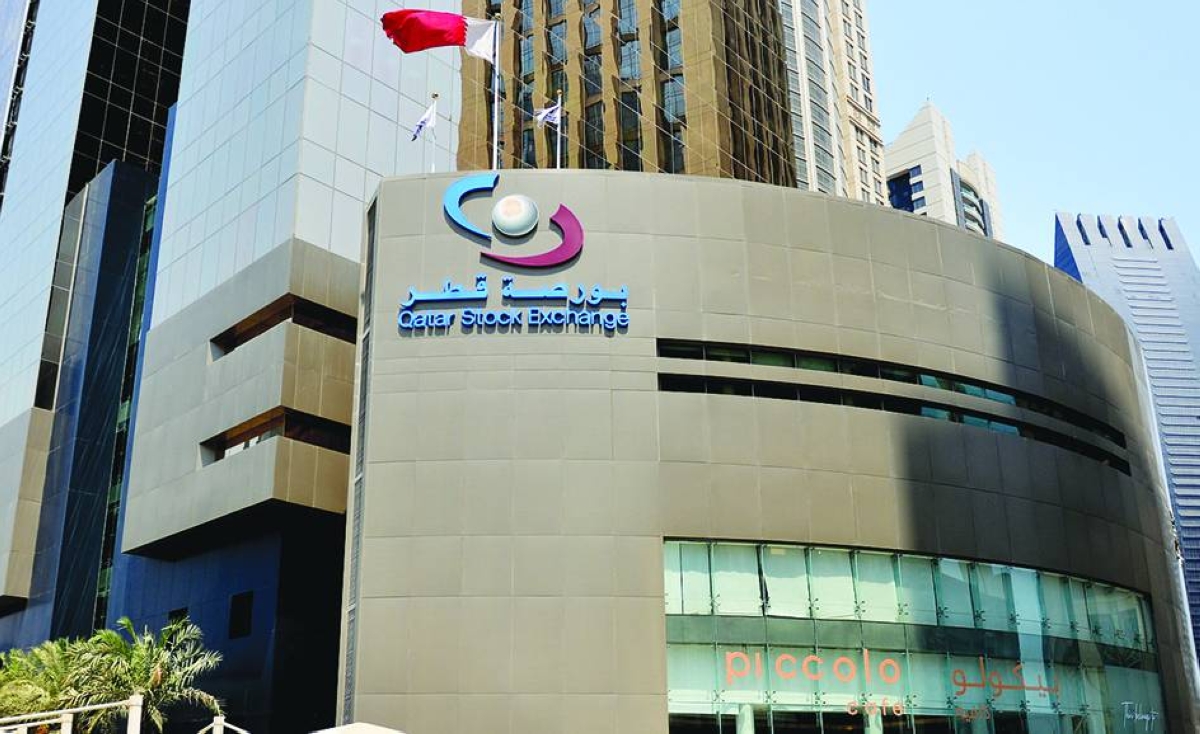
QSE debt market development is once again in the spotlight after the Qatar Stock Exchange (QSE) reaffirmed its commitment to building a strong and active debt market. This move is seen as both urgent and promising for the country’s financial system. While Qatar already has a well-known equity market, experts say the next phase of growth depends on creating a deep and liquid market for bonds and sukuk.
A stronger debt market would give governments, banks, and companies more ways to raise funds. It would also offer investors safer and more stable investment choices. As global economies face uncertainty, Qatar’s push to diversify funding sources is being viewed as a strategic step toward long-term stability.
Why QSE debt market development matters now
The renewed focus on QSE debt market development comes at a time when financial markets worldwide are changing rapidly. Interest rates, inflation pressures, and geopolitical tensions have made borrowing conditions less predictable. Countries that rely too heavily on bank financing or oil revenues may face higher risks.
By expanding its debt market, Qatar aims to reduce dependence on traditional funding channels. Bonds and Islamic sukuk instruments allow governments and companies to borrow directly from investors over longer periods and often at lower costs.
A well-functioning debt market also improves financial resilience. During economic downturns, equity markets can become volatile, but high-quality bonds usually provide stability. This balance is essential for pension funds, insurance companies, and conservative investors.
Current state of Qatar’s debt market
Although Qatar has issued government bonds and sukuk in the past, trading activity in the secondary market remains limited compared to global financial centers. Many investors buy these instruments and hold them until maturity, which reduces liquidity.
Analysts note several challenges:
- Limited number of listed corporate bonds
- Low trading volumes in secondary markets
- Heavy reliance on government issuance
- Need for broader investor participation
- Insufficient market-making activity
QSE debt market development efforts aim to address these issues systematically. The exchange has been working closely with regulators, banks, and institutional investors to create the right infrastructure.
Key steps announced by Qatar Stock Exchange
To accelerate QSE debt market development, the exchange has highlighted several concrete initiatives designed to make debt securities more accessible and attractive.
Improving market infrastructure
One of the most important steps is upgrading trading, settlement, and clearing systems. Efficient infrastructure reduces transaction costs and increases transparency. Investors are more likely to trade bonds actively when execution is smooth and reliable.
Digital platforms and real-time pricing systems are also being introduced. These tools allow investors to track yields, compare instruments, and make informed decisions quickly.
Encouraging corporate bond issuance
Historically, most debt instruments in Qatar were issued by the government or government-linked entities. The new strategy encourages private companies to tap capital markets directly.
Benefits for companies include:
- Diversified funding sources
- Reduced reliance on bank loans
- Ability to secure long-term financing
- Enhanced corporate visibility
- Improved credit discipline
By supporting corporate issuers, QSE debt market development could stimulate private sector growth and innovation.
Expanding the sukuk segment
Islamic finance plays a central role in the region, and sukuk instruments are expected to be a major pillar of QSE debt market development. Sukuk comply with Sharia principles and are backed by tangible assets, making them attractive to both regional and global investors.
Demand for sukuk continues to rise worldwide, especially among investors seeking ethical and asset-backed investments. Qatar aims to position itself as a leading hub for Islamic debt securities.
Attracting foreign investors
Opening the market to international participants is another priority. Foreign investment brings liquidity, expertise, and credibility. It also integrates the local market into global financial networks.
Measures under consideration include:
- Simplified account opening procedures
- Clear regulatory frameworks
- Tax incentives
- Enhanced disclosure standards
- Alignment with international best practices
Greater foreign participation could significantly boost trading volumes and price discovery.
Role of government support

Government backing is crucial for successful QSE debt market development. Sovereign bonds often serve as benchmarks for pricing corporate debt. A regular issuance calendar helps establish a reliable yield curve, which investors use to assess risk and value.
Qatar’s strong credit rating and fiscal position give it an advantage. Large infrastructure projects and economic diversification plans also create steady funding needs, ensuring continued bond issuance.
Public sector leadership can encourage private companies to follow suit, creating a virtuous cycle of market expansion.
Benefits for investors
A developed debt market provides numerous advantages for investors at all levels.
Stability and income
Bonds typically offer predictable returns through regular interest payments. This makes them ideal for retirees, conservative investors, and institutions that require steady cash flow.
Portfolio diversification
Adding debt securities to an investment portfolio reduces overall risk. When stock markets decline, bond prices often remain stable or even rise.
Access to different maturities
Investors can choose short-, medium-, or long-term instruments depending on their financial goals. This flexibility improves financial planning.
Opportunities in Islamic finance
Sukuk provide ethical investment options that comply with Islamic principles while still delivering competitive returns.
Benefits for the broader economy
QSE debt market development is not only about investors and issuers. It has far-reaching economic implications.
Supporting infrastructure projects
Large projects such as transportation networks, energy facilities, and urban development require massive funding. Debt markets provide long-term capital without overburdening banks.
Encouraging private sector growth
Small and medium-sized enterprises often struggle to access financing. A mature bond market can offer alternative funding channels, helping businesses expand and create jobs.
Enhancing financial stability
Diversified funding sources reduce systemic risk. If banks face pressure, companies can still raise money through capital markets.
Improving monetary policy transmission
Central banks can influence economic conditions more effectively when active bond markets exist. Interest rate changes transmit through the financial system more smoothly.
Challenges ahead
Despite the positive outlook, QSE debt market development faces several hurdles that must be addressed.
Liquidity constraints
Without active trading, prices may not reflect true market conditions. Encouraging market makers and institutional participation will be essential.
Investor education
Many retail investors are unfamiliar with bonds and sukuk. Awareness campaigns and educational programs could help broaden participation.
Credit rating transparency
Reliable credit assessments are necessary for investors to evaluate risk. Developing local rating capabilities and adopting international standards will strengthen confidence.
Regulatory balance
Authorities must ensure strong oversight while avoiding excessive rules that could discourage issuers.
Comparison with global markets
Leading financial centers such as the United States and Europe have deep, highly liquid debt markets. Even within the Gulf region, some countries have made significant progress in bond market development.
Qatar’s strategy aims to close this gap by leveraging its strong economy, sovereign wealth, and advanced financial infrastructure. Analysts believe that with sustained effort, the country could become a regional hub for both conventional and Islamic debt instruments.
Digital innovation and the future
Technology is expected to play a major role in QSE debt market development. Digital trading platforms, blockchain-based settlement systems, and data analytics tools can transform how debt securities are issued and traded.
Potential innovations include:
- Electronic bond auctions
- Tokenized sukuk
- Automated compliance monitoring
- AI-driven risk analysis
- Mobile access for retail investors
These advancements could reduce costs and attract younger, tech-savvy participants.
Long-term vision for Qatar’s capital markets
The push for QSE debt market development aligns with Qatar’s broader economic diversification strategy. By strengthening financial markets, the country aims to reduce reliance on hydrocarbons and build a knowledge-based economy.
A robust capital market ecosystem typically includes:
- Active equity markets
- Deep debt markets
- Derivatives for risk management
- Asset management industry
- Strong regulatory framework
Achieving this balance would enhance Qatar’s position as a regional financial hub.
Expert outlook: cautious but optimistic
Financial experts describe the initiative as both urgent and promising. Urgent because global economic uncertainty requires stronger financial resilience. Promising because Qatar has the resources and institutional strength to succeed.
Success will depend on consistent policy support, market participation, and investor confidence. Building a deep debt market is a long-term process that may take years, but early steps are already underway.
What it means for regional investors
For investors across the Gulf and beyond, QSE debt market development could open new opportunities. Access to high-quality sovereign and corporate debt from a stable economy is attractive in uncertain times.
Institutional investors, including pension funds and sovereign wealth funds, may increase allocations once liquidity improves. Retail investors could also benefit from safer investment options compared to volatile equities.
Conclusion: a decisive step toward financial maturity
QSE debt market development represents a crucial phase in Qatar’s financial evolution. By strengthening bonds and sukuk markets, the country is building a more balanced and resilient economic system.
The initiative carries both challenges and opportunities. If executed successfully, it could transform Qatar into a major center for debt financing in the region, attract global capital, and support sustainable growth for decades to come.
While progress may be gradual, the direction is clear. A deeper debt market will not only complement the existing stock market but also provide the financial foundation needed for Qatar’s ambitious future.
Do follow Gulf Magazine on Instagram.
Also Read – Saudi Venture Capital Hits Record Deals and Investment in 2025

