

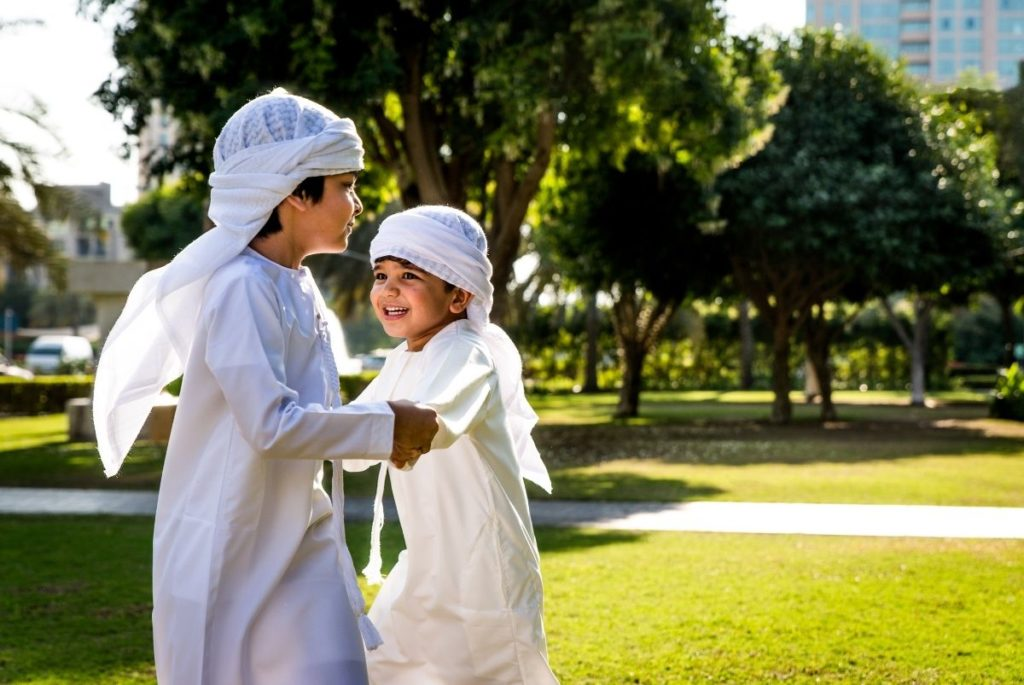
Raising children in Gulf countries presents a unique blend of traditional values and modern influences. As expats and locals navigate the complexities of parenting, the cultural landscape offers both opportunities and challenges. This article explores the multifaceted experience of raising children in Gulf countries, shedding light on cultural norms, educational systems, and family dynamics.
Embracing Cultural Diversity in Parenting
Gulf countries are home to a rich tapestry of cultures, with expatriates from all over the globe. This diversity can significantly influence parenting styles. Families often blend their cultural practices with local traditions, creating a unique environment for their children.
In this multicultural setting, children learn the importance of respect, tolerance, and understanding different perspectives. Parents play a vital role in guiding their children through these interactions, helping them navigate friendships with peers from various backgrounds.
Understanding the Educational Landscape
Education is a top priority for families raising children in Gulf countries. The educational systems are diverse, offering a range of curricula, including local, British, American, and international programs. This variety allows parents to choose an educational path that aligns with their values and expectations.
Many Gulf countries have invested heavily in their education sectors, resulting in modern facilities and qualified educators. Parents often seek schools that not only provide academic excellence but also encourage character development and social skills. Extracurricular activities are also essential, helping children develop talents and interests outside the classroom.
Balancing Tradition and Modernity
While modern influences shape many aspects of life in Gulf countries, traditional values still hold significant importance. Families often emphasize respect for elders, hospitality, and community ties. These values are crucial in shaping a child’s character and understanding of their cultural heritage.
Parents often face the challenge of balancing modern parenting techniques with these traditional values. For instance, while encouraging independence and critical thinking, parents also instill a respect for family and community. This dual approach can create well-rounded individuals who appreciate their roots while adapting to contemporary society.
Navigating Social Norms and Expectations
Social norms in Gulf countries can vary widely, and understanding these expectations is essential for parents. From gender roles to acceptable behavior in public, parents must guide their children in navigating these cultural waters.
For example, modesty is highly valued in many Gulf cultures. Parents often teach their children the importance of dressing appropriately and behaving respectfully in public spaces. This education helps children develop a sense of identity and belonging within their communities.
The Role of Technology in Parenting
In today’s digital age, technology plays a pivotal role in parenting. Gulf countries have high rates of internet and smartphone usage, influencing how children interact and learn. While technology can offer educational benefits, it also presents challenges, such as screen time management and online safety.
Parents are encouraged to set boundaries around technology use. Engaging in discussions about online behavior and encouraging offline activities can help children develop healthy habits. Striking a balance between technology and real-world experiences is vital for a child’s overall development.
Fostering Emotional Intelligence
Emotional intelligence is becoming increasingly recognized as a crucial component of raising well-adjusted children. In Gulf countries, where familial bonds are strong, parents are encouraged to nurture their child’s emotional growth.
Teaching children to express their feelings and empathize with others can lead to healthier relationships and improved social skills. Parents can model emotional intelligence by sharing their feelings and discussing how to handle various situations with sensitivity and understanding.
Community Support and Parenting Resources
Raising children in Gulf countries can be a collaborative effort. Many communities offer parenting resources, support groups, and activities that foster connections among families. These networks can be invaluable, especially for expatriates who may feel isolated.
Joining local parenting groups or attending community events can provide parents with insights and advice from others in similar situations. Sharing experiences and learning from one another can create a strong support system that benefits both children and parents.
Preparing for the Future
As children grow, parents in Gulf countries must prepare them for the future. This preparation involves not only academic success but also cultivating essential life skills. Financial literacy, problem-solving abilities, and adaptability are crucial traits that can help children thrive in an ever-changing world.
Encouraging children to explore their interests and develop a strong work ethic can set them on a path to success. Parents play a crucial role in guiding their children toward opportunities that align with their passions and strengths.
Conclusion: A Unique Journey of Parenting in Gulf Countries
Raising children in Gulf countries is a unique journey filled with rich cultural experiences and valuable life lessons. By embracing diversity, balancing tradition and modernity, and fostering emotional intelligence, parents can create a nurturing environment that prepares their children for the future.
As families navigate the complexities of parenting, they contribute to a vibrant community that values education, respect, and understanding. Ultimately, the experience of raising children in Gulf countries is about instilling values and skills that will serve them well throughout their lives.
Do follow Gulf Magazine on Instagram
Read Next – Saudi Minister’s Surprise Visit to Delhi Follows India’s Cross-Border Strikes

