

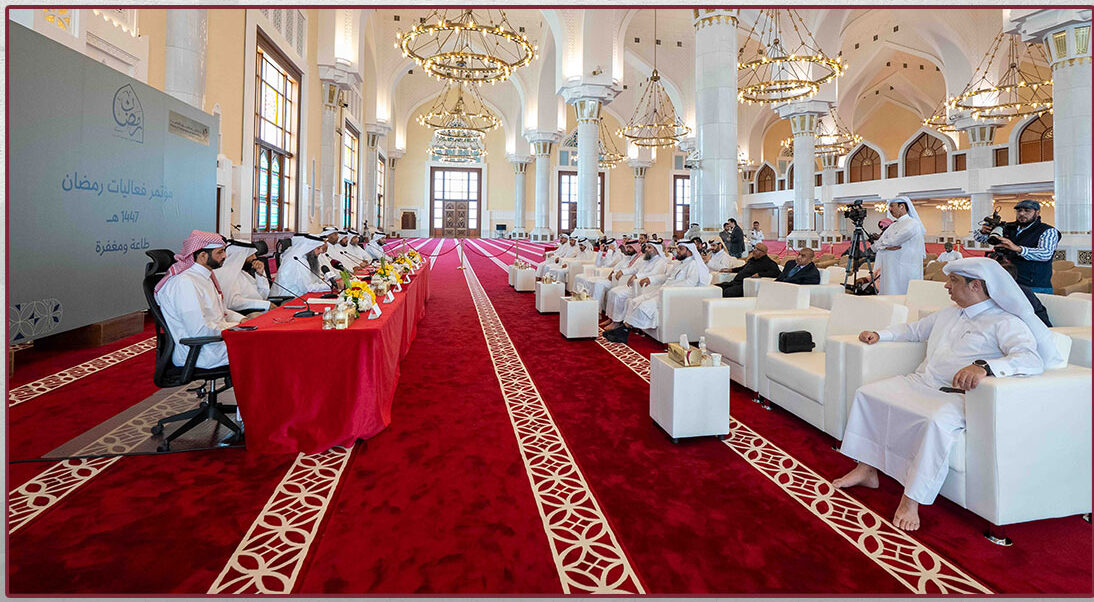
Ramadan 1447 AH programs announced by the Ministry of Awqaf promise a season filled with faith, compassion, and community support. As Muslims around the world prepare for the holy month, the ministry has unveiled a comprehensive plan of Quranic activities, charitable initiatives, educational events, and social services designed to benefit people of all ages and backgrounds.
These Ramadan 1447 AH programs aim not only to strengthen spiritual connection but also to ensure that vulnerable families receive essential support. From daily Quran recitation circles to large-scale food distribution campaigns, the initiatives reflect the true spirit of Ramadan — worship, generosity, and unity.
This year’s announcement comes at a time when communities are seeking hope, stability, and togetherness. By combining religious guidance with humanitarian outreach, the ministry hopes to make Ramadan 1447 AH a meaningful and transformative experience for everyone.
A Holistic Vision for Ramadan 1447 AH programs
The Ministry of Awqaf has emphasized that its Ramadan 1447 AH programs are built on a holistic vision. Rather than focusing on worship alone, the plan integrates spiritual growth with social responsibility.
Key objectives include:
- Promoting deeper understanding of the Quran
- Encouraging acts of charity and volunteerism
- Supporting low-income families
- Strengthening family bonds
- Engaging youth in positive activities
- Providing guidance on Islamic values
Officials explained that Ramadan is not just a time for fasting but a period for personal reform and community renewal. Therefore, the programs are designed to reach mosques, schools, neighborhoods, and public spaces.
Expanded Quranic Activities Across Mosques
At the heart of the Ramadan 1447 AH programs are extensive Quranic initiatives. Mosques will host daily recitation sessions, memorization classes, and interpretation lessons throughout the month.
Daily Taraweeh and Qiyam Prayers
Special arrangements have been made to ensure that Taraweeh prayers are accessible to all. Many mosques will feature skilled reciters, while larger venues will accommodate growing congregations.
During the last ten nights, Qiyam-ul-Layl prayers will be organized, allowing worshippers to seek spiritual closeness during the most sacred period of Ramadan.
Quran Memorization Circles
Dedicated sessions for children, teenagers, and adults will run before and after prayers. Qualified teachers will guide participants in proper pronunciation and memorization techniques.
These circles aim to:
- Encourage lifelong connection with the Quran
- Improve recitation skills
- Build discipline and patience
- Foster a love for learning
Tafsir Lectures and Religious Talks
Scholars will deliver daily talks explaining Quranic verses in simple language. Topics will include moral values, social justice, compassion, and practical guidance for modern life.
Such lectures are expected to attract large audiences, including non-Arabic speakers, as many sessions will offer translations or simplified explanations.
Charity Campaigns to Support Families
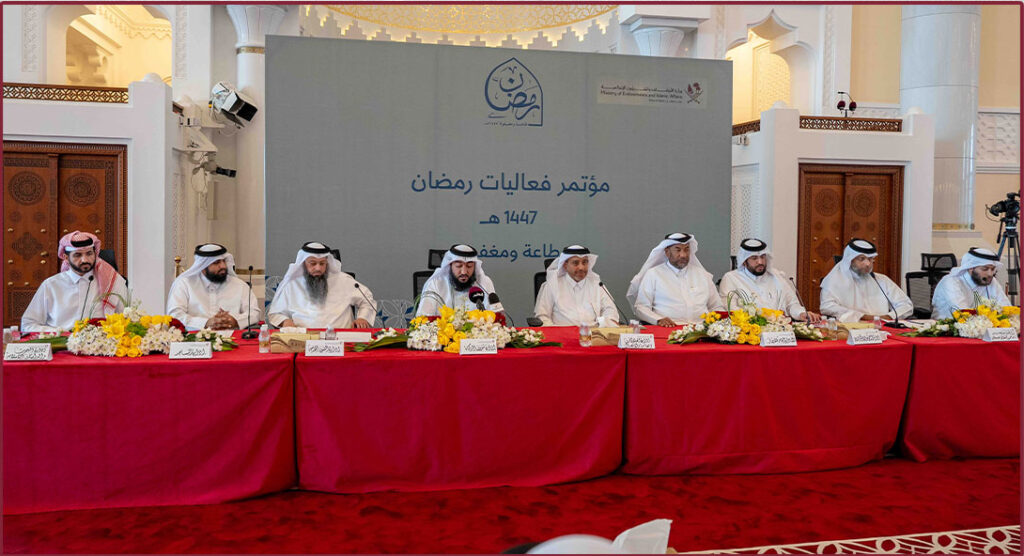
One of the most impactful aspects of the Ramadan 1447 AH programs is the large-scale charitable effort. The ministry has coordinated with humanitarian organizations to ensure aid reaches those most in need.
Food Basket Distribution
Thousands of food packages will be distributed before and during Ramadan. These baskets typically include essential items such as:
- Rice
- Flour
- Cooking oil
- Dates
- Sugar
- Lentils
- Canned goods
Priority will be given to low-income households, widows, elderly individuals living alone, and families affected by economic hardship.
Daily Iftar Meals
Public iftar tents will be set up in various locations to provide free meals at sunset. These tents serve multiple purposes:
- Feeding fasting individuals who cannot afford meals
- Supporting workers away from home
- Encouraging social interaction
- Strengthening community bonds
Volunteers will play a crucial role in preparing and distributing meals each day.
Zakat and Donation Platforms
The ministry has also launched official channels for zakat and sadaqah contributions. Transparent systems ensure that donations are distributed fairly and efficiently.
Funds collected will support:
- Medical treatment for the needy
- Educational assistance for students
- Housing support
- Emergency relief cases
Special Programs for Youth and Children
Recognizing that young people are the future of the community, the Ramadan 1447 AH programs include numerous youth-focused initiatives.
Educational Workshops
Interactive sessions will cover topics such as:
- The meaning of fasting
- Islamic ethics
- Respect for parents
- Social responsibility
- Digital awareness
These workshops aim to help young participants understand Ramadan beyond rituals.
Quran Competitions
Friendly competitions in memorization and recitation will encourage children to engage actively with the Quran. Winners will receive recognition and prizes, motivating others to participate.
Recreational and Cultural Activities
To provide a balanced experience, safe recreational events will be organized after evening prayers. These may include:
- Cultural exhibitions
- Islamic art displays
- Storytelling sessions
- Community sports events
Such activities help youth spend their evenings in positive environments.
Programs for Women and Families
The ministry has also ensured that women and families benefit fully from the Ramadan 1447 AH programs.
Women’s Religious Circles
Dedicated sessions led by qualified female scholars will address topics relevant to women’s lives, including family relationships, parenting, and personal spirituality.
Parenting Guidance Sessions
Workshops will help parents teach children about fasting, kindness, and gratitude. Experts will provide practical advice on nurturing moral values at home.
Family Iftar Events
Community centers will host family-oriented iftar gatherings designed to strengthen relationships and reduce social isolation.
Outreach to Remote and Underserved Areas
A notable feature of this year’s Ramadan 1447 AH programs is the emphasis on reaching remote communities. Mobile teams will travel to rural and underserved regions to deliver services that may otherwise be inaccessible.
These teams will provide:
- Food assistance
- Religious guidance
- Educational materials
- Medical support in coordination with health organizations
By extending outreach beyond major cities, the ministry aims to ensure that no one is left behind during Ramadan.
Digital Services and Online Participation
To accommodate modern lifestyles, many Ramadan 1447 AH programs will also be available online.
Live Streaming of Lectures
Major sermons and Quran lessons will be broadcast through official platforms, allowing people to participate from home.
Mobile Applications
New or upgraded apps will offer features such as:
- Prayer time reminders
- Quran reading tools
- Donation portals
- Event schedules
- Religious guidance
These digital tools make it easier for busy individuals to stay connected throughout the month.
Volunteer Opportunities for the Public
The ministry has called on citizens and residents to participate actively in the Ramadan 1447 AH programs through volunteer work.
Opportunities include:
- Serving meals at iftar tents
- Packing food baskets
- Assisting elderly individuals
- Supporting mosque operations
- Organizing educational events
Volunteering not only helps those in need but also strengthens community spirit and personal fulfillment.
Ensuring Accessibility and Inclusivity
Special measures have been introduced to make the programs inclusive for people with disabilities and the elderly.
These include:
- Accessible mosque facilities
- Reserved seating areas
- Transportation support in some locations
- Sign language interpretation for selected events
Such initiatives reflect the ministry’s commitment to ensuring that everyone can benefit from the holy month.
Environmental Awareness During Ramadan
In addition to spiritual and charitable goals, the Ramadan 1447 AH programs promote environmental responsibility.
Campaigns will encourage:
- Reducing food waste
- Using reusable containers
- Conserving water
- Maintaining cleanliness in public spaces
Educational messages will be shared through mosques and media to promote sustainable practices.
Economic Impact of Ramadan Programs
Beyond their spiritual value, these initiatives also have positive economic effects.
Local businesses benefit from:
- Increased demand for food supplies
- Event-related services
- Transportation needs
- Retail activity
Temporary employment opportunities may arise in areas such as catering, logistics, and event management.
Community Unity and Social Harmony
Perhaps the most important outcome of the Ramadan 1447 AH programs is the strengthening of social ties. Shared worship, communal meals, and charitable acts foster empathy and understanding among people from different backgrounds.
Ramadan traditionally reduces social barriers, bringing together rich and poor, young and old, citizens and expatriates. The ministry hopes that this spirit of unity will continue long after the month ends.
Guidance on Health and Well-Being
Health professionals will also contribute to awareness campaigns on safe fasting practices.
Topics include:
- Proper nutrition at suhoor and iftar
- Hydration strategies
- Managing chronic conditions
- Maintaining physical activity
Such guidance is especially important for elderly individuals and those with medical needs.
Looking Ahead: Lasting Impact Beyond Ramadan
Officials have emphasized that the goal of the Ramadan 1447 AH programs is not limited to one month. Many initiatives are intended to create long-term positive change.
Expected lasting benefits include:
- Stronger charitable networks
- Increased Quran literacy
- Greater youth engagement
- Enhanced community cooperation
- Continued volunteer culture
By investing in people and values, the ministry hopes to build a more compassionate and resilient society.
Conclusion
The Ramadan 1447 AH programs unveiled by the Ministry of Awqaf represent a comprehensive effort to nurture faith, support the vulnerable, and unite communities. Through Quranic education, charitable outreach, youth engagement, and digital accessibility, the initiatives embody the true spirit of Ramadan.
As the holy month approaches, these programs offer an opportunity for individuals to deepen their spirituality while contributing to the well-being of others. Whether through prayer, charity, volunteering, or simply sharing a meal, everyone can play a role in making Ramadan 1447 AH a time of mercy, generosity, and renewal.
Ultimately, the success of these Ramadan 1447 AH programs will be measured not only by participation numbers but by the positive changes they inspire in hearts, homes, and society as a whole.
Do Follow Gulf Magazine on Instagram
Read More:- Saudi Arabia vs Oman: Exciting Tips to Stream Every Goal Live 2025

