

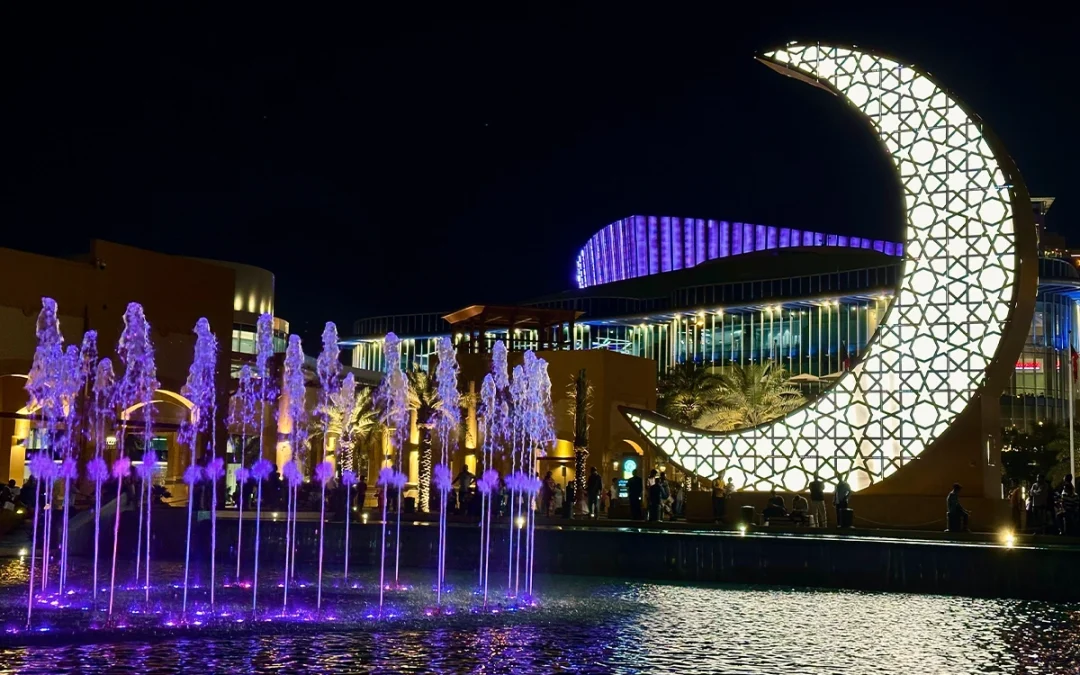
Ramadan is much more than a month of fasting in Kuwait; it is a period of spiritual reflection, cultural celebration, and community bonding. For Kuwaitis, Ramadan embodies centuries of Islamic tradition and serves as a reminder of the values of compassion, generosity, and patience. Families, friends, and neighbors come together to honor these traditions, making Ramadan one of the most anticipated and cherished times of the year.
In Kuwait, the observance of Ramadan is deeply interwoven with daily life. From the early morning suhoor meal to the nightly iftar gatherings, every aspect of the day carries meaning and purpose. The rhythm of fasting, prayer, and charitable acts helps reinforce a sense of identity and belonging for individuals and communities alike.
The Spiritual Importance of Fasting
Fasting during Ramadan, known as sawm, is a central pillar of Islam and holds profound spiritual significance. For Kuwaiti Muslims, abstaining from food and drink from dawn to sunset is not only an act of obedience to religious principles but also a way to cultivate self-discipline and empathy for the less fortunate.
Through fasting, individuals experience a heightened sense of mindfulness and reflection. It is a time for Muslims to reassess their priorities, strengthen their spiritual connection with God, and develop patience and humility. For many Kuwaitis, this daily discipline creates a sense of inner peace and renewal that lasts far beyond the month of Ramadan.
Ramadan and Family Bonding
In Kuwait, Ramadan is synonymous with family gatherings and shared experiences. Families wake early for suhoor, the pre-dawn meal, often gathering to enjoy traditional dishes together. As the day progresses, the anticipation of iftar, the breaking of the fast, builds excitement and reinforces the importance of communal life.
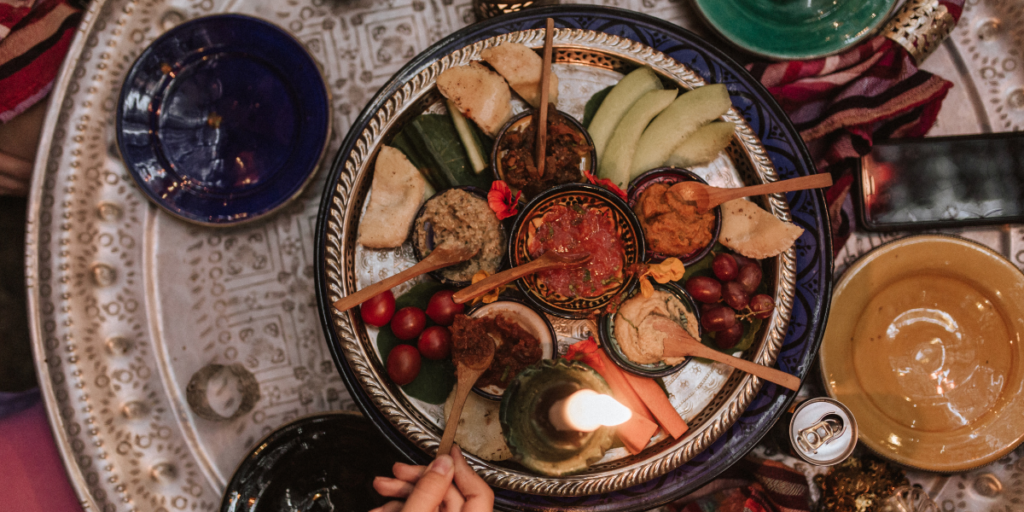
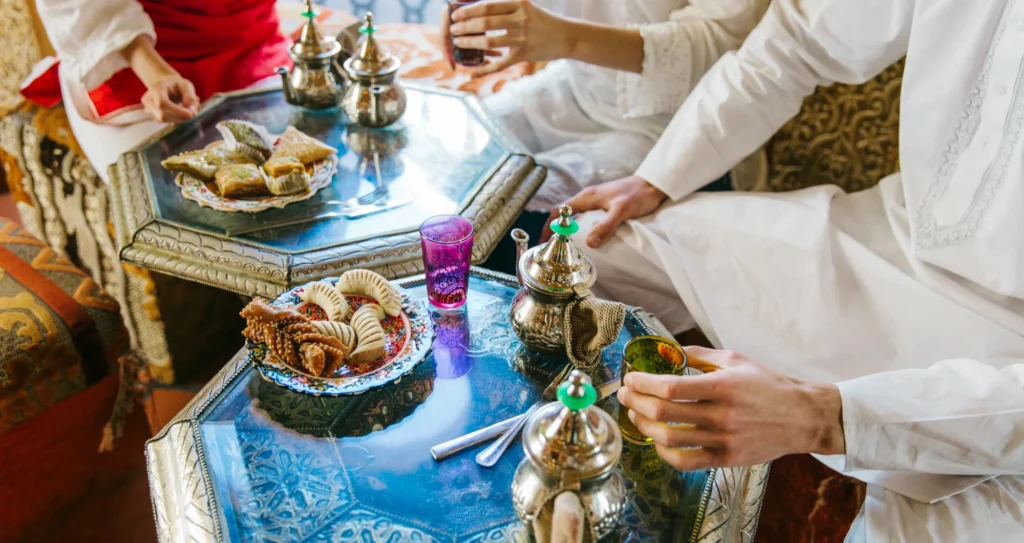
Iftar is a deeply social event in Kuwait, bringing together relatives, friends, and neighbors. Homes are filled with the aroma of rich dishes like harees, machboos, and sweet treats such as qatayef and luqaimat. Beyond the food, these moments allow families to reconnect, share stories, and create memories that strengthen generational bonds.
Community Spirit and Charity
One of the most significant aspects of Ramadan in Kuwaiti culture is the emphasis on charity, or zakat. Muslims are encouraged to give generously to those in need, ensuring that everyone can partake in the blessings of Ramadan. This spirit of giving fosters a sense of unity and compassion across the community.
In Kuwait, many charitable organizations and individuals actively participate in distributing food packages, providing meals for the less fortunate, and supporting local causes during Ramadan. These acts of kindness are seen as an essential extension of faith, reinforcing social responsibility and empathy within Kuwaiti society.
Nightly Traditions: Tarawih Prayers and Cultural Festivities
The evenings during Ramadan in Kuwait come alive with spiritual devotion and cultural vibrancy. Muslims perform tarawih prayers, special nightly prayers held in mosques, which provide an opportunity for collective worship and reflection. These prayers often attract large congregations, highlighting the communal nature of Ramadan.
Beyond religious practices, Kuwaiti streets and neighborhoods become bustling with activity. Markets and shopping areas are adorned with lights and decorations, creating a festive atmosphere. Families and friends stroll through these areas, enjoying traditional snacks, sweets, and entertainment, further reinforcing the cultural richness of the month.
Ramadan’s Influence on Kuwaiti Cuisine
Food plays a central role in Kuwaiti Ramadan traditions. While fasting is the spiritual focus, the meals that bookend each day are celebrated with meticulous preparation and care. Traditional Kuwaiti dishes gain special significance during this month, with families often preparing meals passed down through generations.
Dishes such as dates, samosas, harees, and qatayef are staples of iftar, symbolizing both nourishment and tradition. Sweet treats, in particular, hold a festive connotation and are often shared with neighbors and guests, reinforcing bonds and cultivating generosity. The preparation and sharing of food in Ramadan exemplify how culinary culture in Kuwait is intertwined with faith, family, and community.
Educational and Cultural Awareness During Ramadan
Ramadan in Kuwait also serves as a time for education and cultural reinforcement. Schools, community centers, and religious institutions often host lectures, workshops, and storytelling sessions that highlight the values and history of the month. Children and youth are encouraged to participate, learning about the spiritual and social importance of fasting, prayer, and charity.
Through these initiatives, Kuwaitis of all ages gain a deeper understanding of their heritage and develop a sense of pride in their cultural and religious identity. This awareness ensures that the traditions of Ramadan continue to thrive across generations.
Modern Practices and Ramadan in Contemporary Kuwait
While the spiritual essence of Ramadan remains unchanged, modern life in Kuwait has introduced new dimensions to its observance. Social media, online communities, and digital platforms allow people to share prayers, recipes, and inspirational messages, extending the sense of unity beyond physical spaces.
Despite technological influences, Kuwaitis maintain a balance between modernity and tradition. The emphasis on family, community, and spiritual reflection continues to define the month, demonstrating that cultural values can evolve without losing their core significance.
The Last Ten Days: Intensified Devotion
The final ten days of Ramadan, known as the last Ashra, are considered particularly sacred. Kuwaitis devote extra time to prayer, reflection, and charitable acts during this period, seeking to maximize spiritual rewards and deepen their faith.
It is also a time of anticipation, as families prepare for Eid al-Fitr, the celebration marking the end of Ramadan. These days are filled with devotion, introspection, and heightened communal activity, making them a spiritually enriching conclusion to the month.
Eid Al-Fitr: Celebrating the End of Ramadan
The conclusion of Ramadan is celebrated with Eid al-Fitr, a joyous festival in Kuwaiti culture. Families gather to pray, exchange gifts, and share lavish meals. Children receive Eidi, money or gifts, as a symbol of love and celebration.
Eid in Kuwait is a time of gratitude, reflection, and unity. It serves as a reminder of the values nurtured during Ramadan, from generosity and patience to community cohesion. The celebrations also reinforce the continuity of tradition, ensuring that the spiritual lessons of Ramadan endure throughout the year.
Ramadan as a Cultural Bridge
Ramadan in Kuwait is not only a spiritual journey but also a cultural bridge that connects people across backgrounds and generations. The month fosters mutual understanding, respect, and shared joy, strengthening social cohesion in an increasingly globalized world.
Visitors and residents alike are invited to partake in Kuwaiti Ramadan traditions, offering a glimpse into the nation’s rich cultural tapestry. Through these experiences, Ramadan becomes a symbol of hospitality, faith, and unity, highlighting the enduring significance of this sacred month.
Conclusion: Embracing the Essence of Ramadan
Ramadan in Kuwait embodies the essence of spirituality, culture, and community. From fasting and prayer to family gatherings and charitable acts, the month shapes the rhythm of daily life and fosters a sense of belonging and purpose.
By honoring these traditions, Kuwaitis reinforce their connection to faith, heritage, and one another. Ramadan is more than a religious obligation it is a celebration of compassion, resilience, and unity that continues to enrich Kuwaiti culture year after year.
Do follow Gulf Magazine on Instagram.
Also Read – How Kuwaiti Cuisine Strengthens Family Bonds and Tradition

