

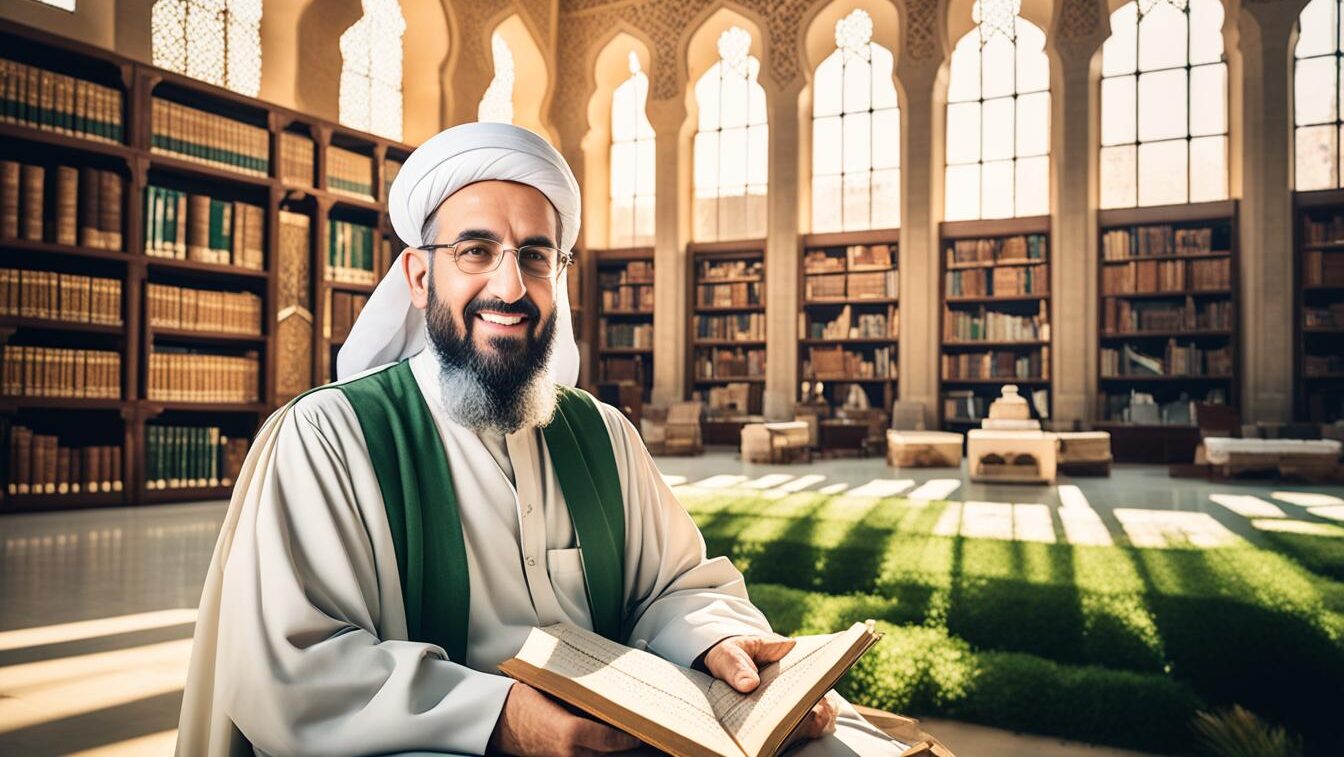
Religious and Islamic Studies in Saudi Arabia hold a central place in the country’s identity, history, and education system. As the birthplace of Islam, Saudi Arabia has long been considered the heartland of Islamic teachings. The country hosts the two holiest cities in Islam — Makkah and Madinah — making it a spiritual center for Muslims around the world.
The development and promotion of Religious and Islamic Studies are not just educational responsibilities in Saudi Arabia, but also deeply tied to national culture, governance, and international influence. With growing modernization and educational reforms under Vision 2030, the scope and structure of these studies have expanded, attracting both praise and attention globally.
Historical Importance of Religious and Islamic Studies
The foundation of Religious and Islamic Studies in Saudi Arabia dates back centuries. From the early days of the Islamic Caliphate to the formation of the Kingdom in 1932, the teachings of the Quran and Hadith have always shaped Saudi Arabia’s laws, culture, and identity.
Educational institutions across the kingdom, especially those in Makkah and Madinah, have taught Islamic law (Sharia), theology (Aqidah), and Quranic studies to both local and international students. These institutions are not only centers of learning but also guardians of traditional Islamic knowledge.
Saudi Universities Focus on Islamic Education
Many Saudi universities have specialized faculties for Religious and Islamic Studies. Prominent examples include:
- Islamic University of Madinah – A globally respected institution that attracts thousands of students yearly from over 170 countries.
- Imam Mohammad ibn Saud Islamic University – Known for its in-depth Islamic programs and influence in international Dawah (Islamic preaching).
- Umm Al-Qura University in Makkah – Offers comprehensive programs in Islamic law, history, and Quranic science.
These universities provide both undergraduate and postgraduate degrees in various Islamic disciplines, contributing significantly to the academic and spiritual development of students.
Integration with the National Curriculum
In Saudi Arabia, Religious and Islamic Studies are part of the school curriculum from the primary level up to high school. Students learn Quran recitation, memorization, Islamic manners, Fiqh (Islamic jurisprudence), and Seerah (biography of Prophet Muhammad).
The curriculum is designed to create morally upright individuals, rooted in Islamic values and teachings. With recent reforms, there is an increasing balance between religious and secular subjects, allowing students to receive a well-rounded education.
Women’s Participation in Religious and Islamic Studies
One of the most positive developments in recent years is the increased participation of women in Religious and Islamic Studies. More women are now studying and teaching Islamic sciences, publishing academic research, and contributing to religious discourse.
Saudi Arabia has encouraged higher education for women through separate colleges and departments focused on Islamic studies. Women scholars are becoming more visible, and their work is being recognized within Saudi Arabia and beyond.
Global Influence and Outreach Programs
Saudi Arabia funds and operates Islamic centers, mosques, and educational programs worldwide. These institutions often promote Religious and Islamic Studies in line with the Saudi interpretation of Islam.
Graduates from Saudi Islamic universities often return to their home countries to become teachers, Imams, or scholars, carrying with them the teachings and methodologies learned in Saudi Arabia. This international network has increased the country’s religious and diplomatic influence globally.
Reforms and Modernization of Religious Education
Under the Vision 2030 reform plan, Saudi Arabia has introduced significant changes to its educational system, including Religious and Islamic Studies. The aim is to encourage critical thinking, reduce extremism, and align religious teachings with modern challenges.
Courses have been updated, and more focus is being given to ethics, comparative religion, and interfaith dialogue. These efforts reflect the government’s desire to promote a balanced understanding of Islam while remaining true to traditional values.
Challenges and Criticisms
Despite the many positive developments, Religious and Islamic Studies in Saudi Arabia have faced criticism in the past for being too conservative or rigid. Critics have pointed out a lack of diversity in viewpoints and insufficient engagement with modern social issues.
However, ongoing reforms are attempting to address these concerns. Curriculum reviews, teacher training, and a more inclusive approach to Islamic education are helping reshape the future of religious learning in the kingdom.
Final Thoughts
Religious and Islamic Studies in Saudi Arabia are evolving. While rooted in tradition, they are adapting to modern needs. The country’s leadership understands the value of religious education, not only as a spiritual obligation but also as a tool for social harmony, diplomacy, and national identity.
Saudi Arabia’s commitment to enhancing Religious and Islamic Studies—through education, reform, and international collaboration—shows its dedication to leading the Muslim world spiritually and intellectually.
With continued reforms and increased participation from both genders, Religious and Islamic Studies in Saudi Arabia are set to remain a central pillar in both national and international educational landscapes.Do follow Gulf Magazine on Instagram
Also Read – Women’s Education : 5 Powerful Changes in Saudi Arabia

