

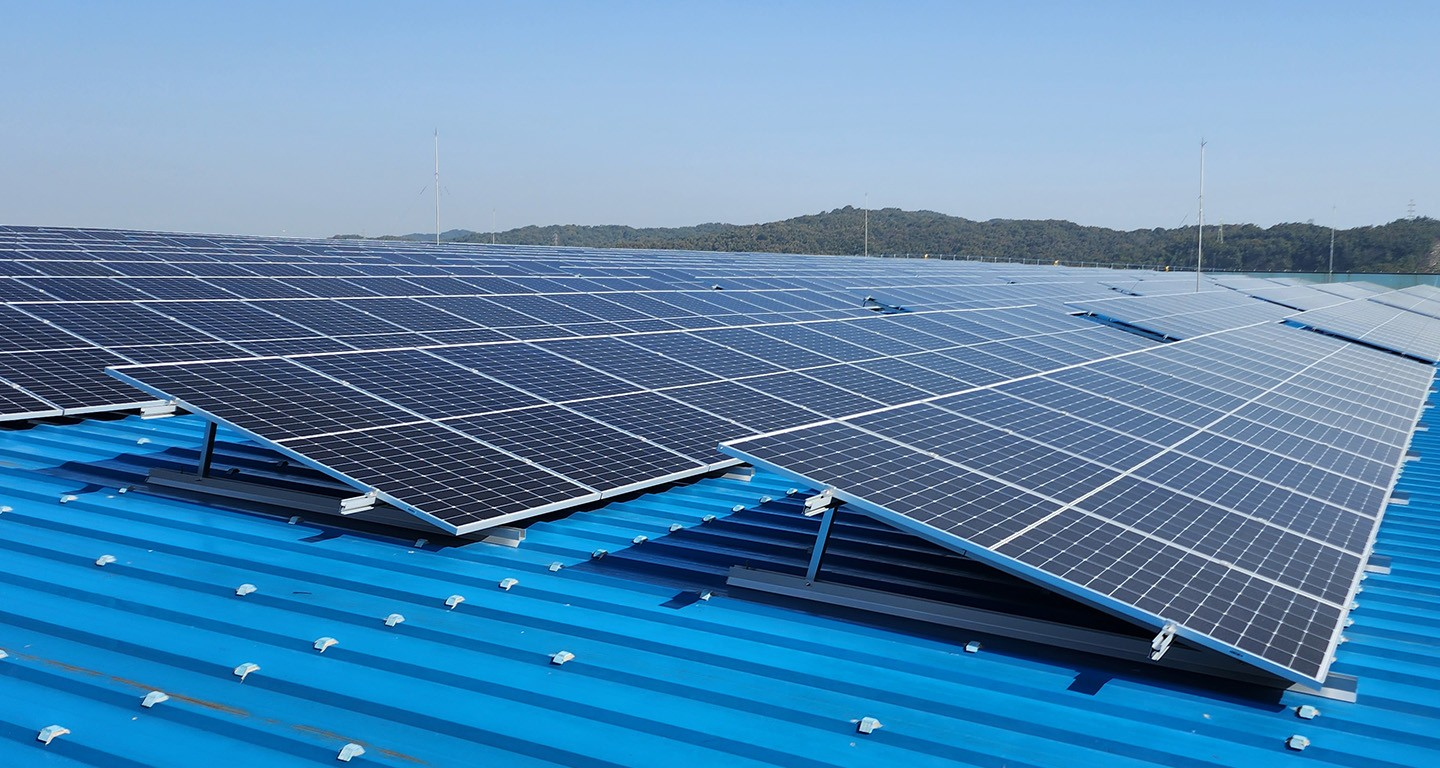
Bahrain has taken a monumental leap toward sustainable energy with the unveiling of the 123-megawatt peak (MWp) rooftop solar project, now recognized as the world’s largest single-site installation of its kind. This ambitious initiative underscores the Kingdom’s commitment to reducing carbon emissions, modernizing industrial infrastructure, and setting a benchmark for renewable energy adoption across the Middle East.
The project, which covers an expansive area on industrial rooftops, is not just a technical marvel but also a symbolic stride toward a future where clean energy and industrial growth coexist harmoniously. For Bahrain, this project represents more than just electricity generation—it is a tangible commitment to sustainable development, climate responsibility, and economic diversification.
Transforming Bahrain’s Industrial Landscape
Industrial decarbonization has become a central pillar of global climate action strategies. For Bahrain, a nation with a vibrant industrial sector spanning manufacturing, oil, and petrochemicals, the integration of solar power into existing infrastructure marks a critical evolution. By harnessing the power of the sun, the Kingdom aims to significantly reduce reliance on fossil fuels while enabling industries to operate more sustainably.
The 123-MWp rooftop solar project is designed to serve industrial facilities directly, reducing energy costs and lowering carbon footprints simultaneously. This approach not only contributes to the Kingdom’s national energy goals but also positions Bahrain as a regional leader in green industrial practices. Companies participating in the initiative will benefit from enhanced energy security and predictable electricity costs, which are essential for long-term operational planning.
Engineering a Renewable Milestone
The sheer scale of the project is awe-inspiring. The solar panels, mounted across rooftops spanning thousands of square meters, are engineered to maximize efficiency and energy yield. Advanced photovoltaic technology ensures that the panels capture sunlight effectively, even in challenging weather conditions. The system is equipped with smart energy management solutions that optimize electricity distribution and monitor performance in real time.
Such a large-scale installation required meticulous planning, including structural assessments of rooftops, electrical grid integration, and safety measures. Teams of engineers, designers, and sustainability experts collaborated to ensure that every panel not only produces maximum power but also maintains long-term operational reliability.
Driving Industrial Decarbonization
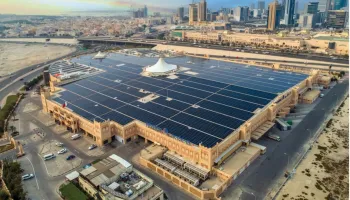
Decarbonization in industrial sectors is often seen as a complex and costly challenge. However, the Bahrain rooftop solar project demonstrates that renewable energy can be seamlessly integrated into existing industrial frameworks. By replacing part of the fossil-fuel-based electricity supply with clean solar energy, the project reduces greenhouse gas emissions, supporting Bahrain’s climate targets and global sustainability commitments.
Industries adopting the solar infrastructure can now showcase measurable reductions in their carbon footprint, which is increasingly important for international trade, investment, and corporate responsibility initiatives. This project sets a model for other countries seeking to decarbonize industrial energy use without compromising productivity or economic growth.
Economic and Social Impacts
Beyond environmental benefits, the project also brings substantial economic and social advantages. The development and maintenance of the solar installation have created employment opportunities for engineers, technicians, and support staff. The knowledge transfer involved in operating a project of this scale empowers local talent with renewable energy expertise, fostering a skilled workforce ready to lead future sustainability projects.
Financially, the project helps reduce energy costs for industrial players, enhancing competitiveness in both regional and international markets. Moreover, Bahrain’s energy landscape becomes more resilient, with diversified electricity sources reducing vulnerability to fossil fuel price fluctuations.
Innovation and Technology Integration
At the heart of the project lies cutting-edge technology designed to maximize output and operational efficiency. The solar panels are integrated with advanced energy storage solutions and grid management software, allowing industrial facilities to balance electricity supply and demand more effectively. Real-time monitoring ensures early detection of potential inefficiencies or malfunctions, thereby minimizing downtime and maintenance costs.
Additionally, the integration of Internet-of-Things (IoT) devices and artificial intelligence analytics allows for predictive maintenance and energy optimization. These technologies ensure that the solar system not only delivers electricity reliably but also continuously improves performance over its operational lifespan.
A Green Future for Bahrain
Bahrain’s ambitious rooftop solar project exemplifies how nations can align economic growth with environmental stewardship. By investing in clean energy infrastructure at a scale previously unseen in the region, the Kingdom is sending a clear message: sustainability and industrial development are not mutually exclusive—they are complementary goals that drive long-term prosperity.
The project also inspires other Middle Eastern countries, showing that large-scale industrial decarbonization is both feasible and economically viable. Bahrain’s success could serve as a blueprint for similar initiatives across the region, accelerating the transition to renewable energy and supporting global climate objectives.
Global Recognition and Regional Leadership
Recognition of this solar project as the world’s largest single-site rooftop installation highlights Bahrain’s leadership in renewable energy innovation. It positions the Kingdom not just as a regional pioneer but also as a global example of how industrial sectors can transition toward low-carbon energy solutions.
With international attention on climate action and sustainability, Bahrain’s project serves as a case study in balancing ambitious environmental goals with industrial growth. It strengthens the Kingdom’s credibility on the world stage and demonstrates that Middle Eastern nations are actively contributing to the global clean energy revolution.
Overcoming Challenges

Large-scale projects of this magnitude inevitably encounter challenges. Structural limitations of existing industrial rooftops, fluctuating solar irradiance, and integration with the national grid are among the technical hurdles that were overcome. The project team employed rigorous planning, innovative engineering solutions, and robust project management strategies to ensure seamless implementation.
The successful execution of this project underscores the importance of collaboration between government authorities, private sector partners, and renewable energy experts. Bahrain’s approach shows that overcoming complex industrial and technical challenges is achievable when sustainability and innovation are prioritized.
Future Expansion and Long-Term Vision
The 123-MWp rooftop solar project represents only the beginning of Bahrain’s journey toward a sustainable industrial sector. Plans are already underway to expand renewable energy initiatives across more industrial zones, integrating solar, wind, and energy storage solutions. The Kingdom aims to establish a resilient, low-carbon industrial ecosystem that supports economic diversification while reducing environmental impact.
By creating a replicable model, Bahrain encourages other nations to pursue similar industrial decarbonization projects. The long-term vision involves not only meeting energy demands sustainably but also achieving carbon neutrality in industrial operations, aligning with global climate commitments and ensuring a cleaner, greener future for all.
Conclusion
Bahrain’s unveiling of the 123-MWp rooftop solar project marks a transformative moment in the Kingdom’s industrial and environmental history. By combining renewable energy innovation with industrial decarbonization, Bahrain has demonstrated that economic growth and environmental responsibility can go hand in hand.
This landmark project sets a new standard for clean energy initiatives worldwide, offering a blueprint for sustainable industrial development. As industries embrace renewable energy at scale, the Kingdom moves closer to a future where sustainable growth, climate action, and technological innovation are seamlessly integrated.
Bahrain’s achievement is more than just a record-breaking solar installation—it is a testament to vision, collaboration, and the power of clean energy to reshape the industrial landscape for generations to come.
Do Follow Gulf Magazine on Instagram
Read More:- Saudi Arabia vs Oman: Exciting Tips to Stream Every Goal Live 2025

