

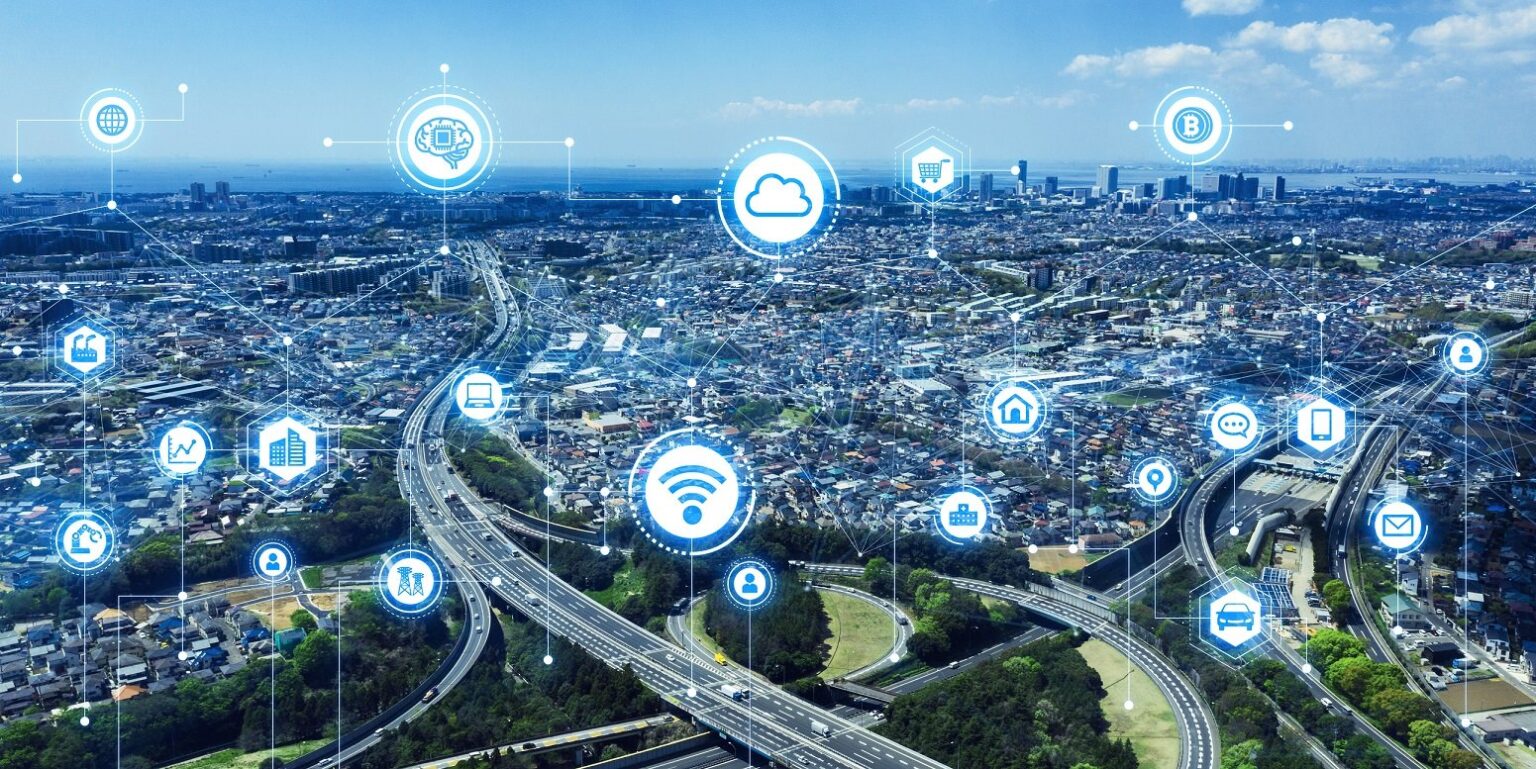
Introduction to Smart City Transformation
Gulf capitals are witnessing an extraordinary transformation as cities evolve into smart, connected ecosystems. The integration of Internet of Things (IoT) technology is at the heart of this revolution, enabling urban spaces to become more efficient, sustainable, and responsive to citizens’ needs. These modern infrastructures are designed not just to enhance convenience but also to create a harmonious environment where technology and daily life seamlessly intersect.
IoT is redefining how residents interact with their surroundings, from traffic management and public safety to energy consumption and healthcare services. With sensors, automated systems, and intelligent networks, Gulf cities are setting new benchmarks for urban living. The combination of advanced technology and strategic urban planning is propelling cities like Abu Dhabi, Dubai, Riyadh, and Doha into a new era of innovation.
IoT-Powered Urban Mobility
One of the most visible impacts of IoT in Gulf capitals is the transformation of urban mobility. Smart traffic management systems leverage sensors, cameras, and real-time analytics to monitor congestion, optimize traffic signals, and reduce commute times. Residents experience smoother travel, while the carbon footprint of vehicles diminishes as traffic efficiency improves.
Public transport networks are also evolving through IoT integration. Smart buses, metro lines, and taxis equipped with GPS tracking and connected ticketing systems offer real-time updates to commuters. This not only enhances convenience but also encourages residents to adopt public transportation, reducing road congestion and promoting a greener urban environment.
Autonomous vehicles are another emerging aspect. With IoT-enabled communication between vehicles and infrastructure, Gulf cities are preparing for a future where driverless cars can navigate safely and efficiently, transforming urban transport dynamics entirely.
Sustainable Energy Management
Energy consumption is a critical concern for rapidly growing cities in the Gulf. IoT provides a powerful solution for monitoring and optimizing energy use in buildings, street lighting, and public facilities. Smart meters and sensors track energy usage in real time, allowing authorities and residents to identify inefficiencies and reduce wastage.
Streetlights equipped with IoT sensors automatically adjust brightness based on activity levels, reducing unnecessary energy consumption. Buildings utilize connected HVAC systems and automated lighting, creating energy-efficient environments that respond dynamically to occupancy patterns.
Renewable energy sources, such as solar panels, are also integrated into IoT-enabled grids, ensuring that sustainable energy is efficiently distributed across the city. This approach not only reduces operational costs but also supports environmental sustainability, a growing priority for Gulf capitals striving to balance urban growth with ecological responsibility.
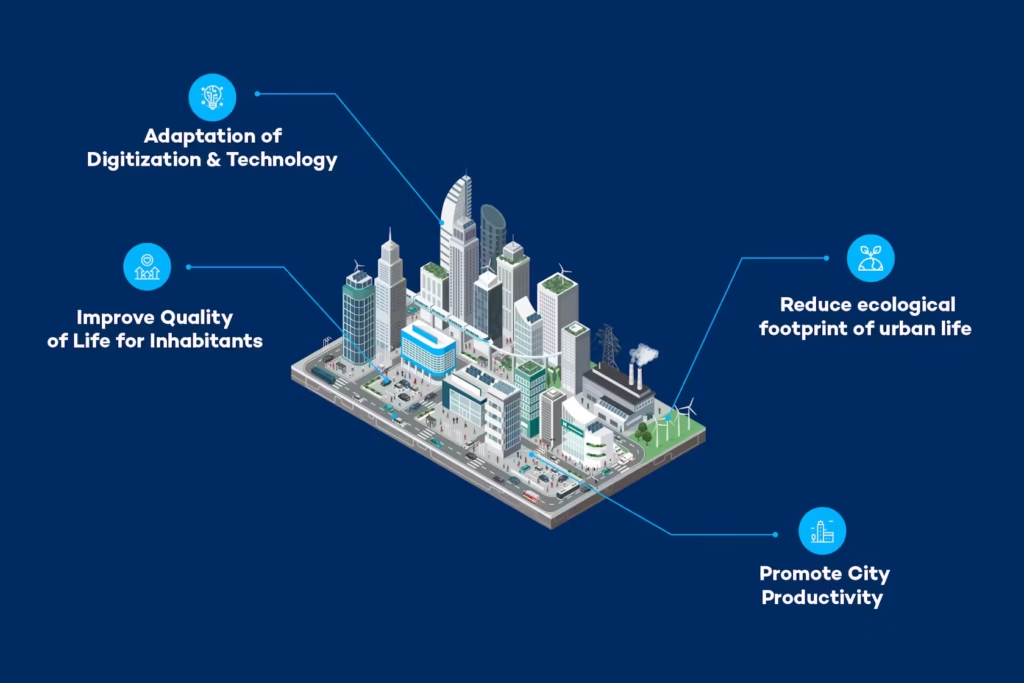
Intelligent Water and Waste Management
Water scarcity is a pressing challenge in the Gulf region, making efficient water management a priority for smart cities. IoT sensors installed in pipelines, water reservoirs, and irrigation systems provide continuous monitoring to detect leaks, optimize usage, and conserve precious resources. Real-time data helps authorities prevent water loss and plan distribution effectively, ensuring reliable access for residents.
Similarly, waste management is being revolutionized through IoT. Smart bins equipped with sensors communicate fill levels to waste collection teams, enabling optimized routes and timely disposal. This reduces unnecessary trips, lowers emissions, and maintains cleaner streets. Residents benefit from a healthier urban environment, while municipal operations become more streamlined and cost-effective.
Enhancing Public Safety and Security
Safety is a cornerstone of smart city infrastructure. IoT technologies contribute to urban security by connecting surveillance cameras, emergency response systems, and public alerts in real time. Intelligent monitoring systems detect unusual activity, trigger alerts, and allow rapid intervention by authorities.
Smart streetlights with integrated sensors can detect accidents or hazards, automatically notifying emergency services. In addition, IoT-enabled disaster management systems provide early warnings for extreme weather events, helping residents and authorities respond proactively. This interconnected approach fosters a safer, more resilient city environment where technology actively safeguards lives.
Healthcare Innovations in Smart Cities
The integration of IoT in healthcare is transforming the way Gulf capitals approach citizen well-being. Connected health devices monitor patient vitals remotely, enabling real-time consultations and reducing the need for hospital visits. Hospitals and clinics utilize IoT systems to manage patient flow, optimize resource allocation, and enhance overall healthcare delivery.
IoT also supports preventive healthcare. Wearable devices track physical activity, sleep patterns, and vital signs, allowing residents to proactively manage their health. The combination of connected healthcare infrastructure and citizen-focused monitoring ensures that smart cities not only improve convenience but also contribute to longer, healthier lives.
Smart Governance and Citizen Engagement
IoT is bridging the gap between authorities and residents by enabling smarter governance. City management systems collect and analyze vast amounts of data to optimize services, respond to issues quickly, and plan for future urban needs. From traffic patterns to energy consumption, these insights empower officials to make informed decisions that directly benefit citizens.
Digital platforms also enhance citizen engagement. Residents can report issues, access municipal services, and receive real-time updates through connected applications. This two-way communication strengthens trust between authorities and communities, fostering a more participatory and responsive urban environment.
Economic Growth and Innovation
Smart city infrastructure powered by IoT is a catalyst for economic development in Gulf capitals. Advanced urban systems attract global investment, support tech startups, and create high-skilled job opportunities. The integration of IoT encourages innovation across sectors, including transportation, energy, healthcare, and finance.
By positioning themselves as technology-driven hubs, Gulf capitals strengthen their global competitiveness. Businesses benefit from efficient logistics, reduced operational costs, and access to a digitally connected consumer base. The economic impact extends beyond city limits, supporting national growth and establishing these capitals as leaders in smart city development worldwide.
Cultural and Social Impacts
Beyond technology and economics, IoT-enabled smart cities enhance the social and cultural life of residents. Connected public spaces, parks, and recreational facilities offer interactive experiences and community engagement opportunities. Smart event management systems streamline cultural festivals, concerts, and public gatherings, ensuring safety and convenience.
These innovations foster a sense of community, encouraging citizens to participate actively in city life. The integration of technology into daily experiences enhances quality of life, allowing residents to enjoy safer, cleaner, and more vibrant urban environments.
Future Outlook of Smart Gulf Capital
The journey toward fully realized smart cities in the Gulf is ongoing, with continuous advancements in IoT technology shaping the urban landscape. Future developments will likely include more autonomous transport networks, AI-powered city management systems, and widespread adoption of renewable energy integration.
As these capitals continue to embrace innovation, residents can anticipate cities that are not only efficient and sustainable but also adaptive to the evolving needs of modern life. The vision of a smart, interconnected urban ecosystem is becoming a tangible reality, promising a future where technology enhances every aspect of city living.
Conclusion
IoT-powered smart city infrastructure is revolutionizing Gulf capitals, redefining how urban life functions. From efficient energy and water management to advanced healthcare, public safety, and citizen engagement, IoT integration is driving transformative improvements across every facet of city living.
These developments create urban spaces that are not only technologically advanced but also human-centered, sustainable, and resilient. By embracing smart city initiatives, Gulf capitals are setting new standards for modern urban living, positioning themselves as global leaders in innovation and smart governance. The future of these cities promises a harmonious blend of technology, sustainability, and quality of life, making them models for urban transformation worldwide.
Do follow Gulf Magazine on Instagram.
Also Read – Revolutionary Digital Banking Innovations Empowering Gulf’s Cashless Future

