

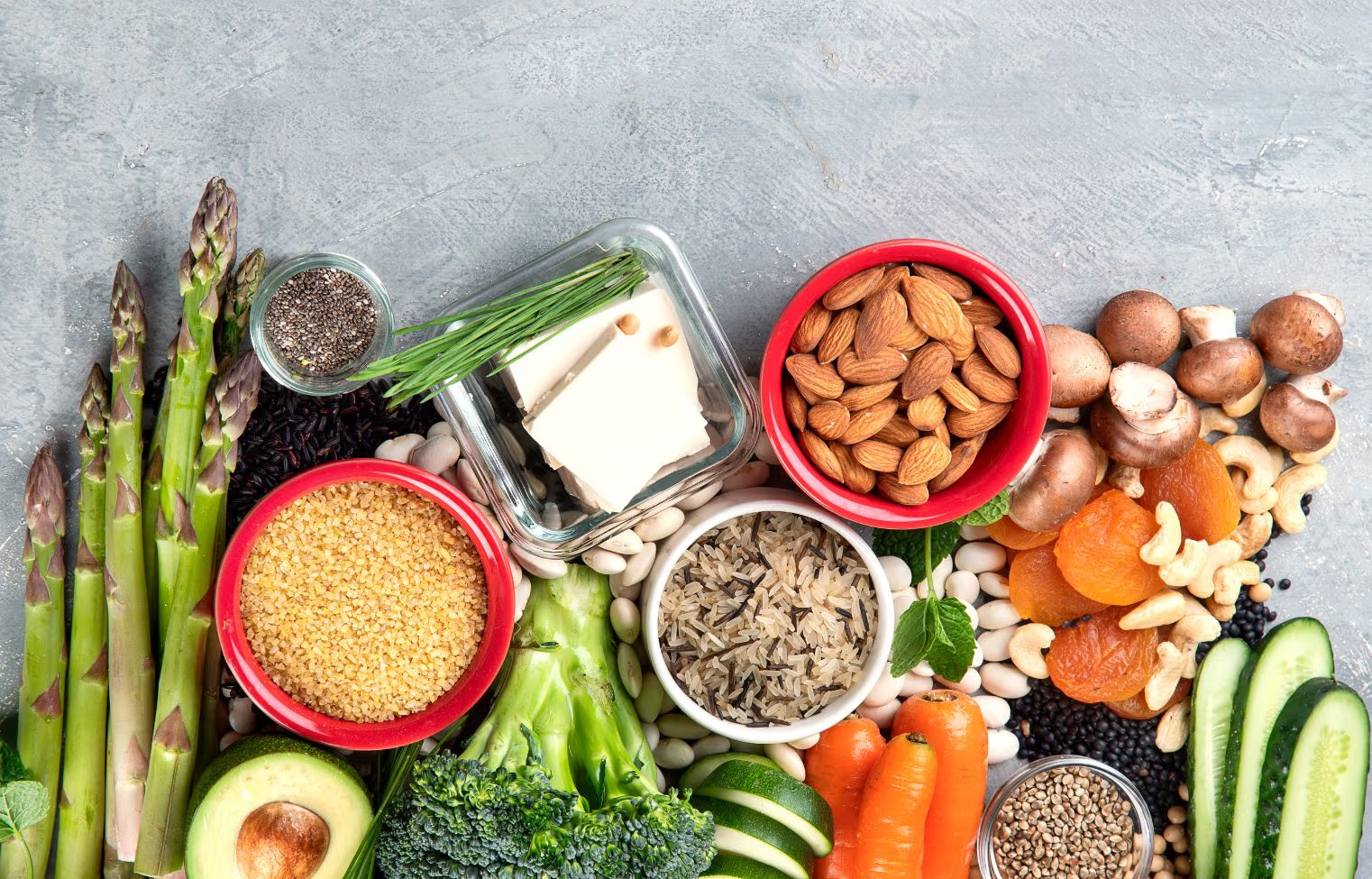
Rising Demand for Organic and Plant-Based Foods in GCC,In recent years, Gulf Cooperation Council (GCC) countries have witnessed a remarkable shift in food consumption patterns. Urban populations in cities like Dubai, Riyadh, Doha, and Muscat are increasingly opting for organic, plant-based, and functional foods. This trend reflects a growing awareness of wellness, nutrition, and lifestyle diseases, motivating residents to make conscious choices about what they eat.
Understanding Organic and Plant-Based Foods
Organic foods are grown without synthetic pesticides, fertilizers, or genetically modified organisms, ensuring a cleaner and more natural product. Plant-based foods, on the other hand, focus on ingredients derived from vegetables, fruits, grains, nuts, and legumes. These categories often overlap, as many consumers seek organic plant-based options to maximize both health benefits and environmental sustainability.
The appeal of these foods goes beyond nutrition. Many GCC residents are drawn to them for ethical reasons, including animal welfare and sustainable farming practices. This combination of health and ethics has created a strong market for organic and plant-based products across supermarkets, specialty stores, and online platforms.
Functional Foods: Nutrition with Purpose
Functional foods are designed to provide additional health benefits beyond basic nutrition. These include probiotics, fortified cereals, omega-3 enriched products, and antioxidant-rich snacks. In the GCC, consumers increasingly use these foods to prevent chronic illnesses such as diabetes, obesity, and heart disease, which are prevalent in urban environments.
The functional foods market in the GCC is growing rapidly due to a combination of rising disposable incomes, higher health consciousness, and exposure to global wellness trends. Local brands are now introducing innovative options, such as plant-based protein powders, fortified dairy alternatives, and ready-to-eat superfood meals tailored to regional tastes.
Urban Lifestyles and Diet Challenges
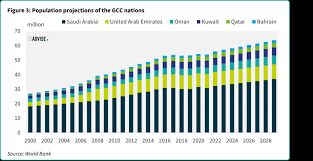
Urbanization in the Gulf has brought numerous conveniences, but it has also introduced dietary challenges. Busy work schedules, long commutes, and a high prevalence of fast-food outlets contribute to poor eating habits. Many residents rely on processed and high-calorie foods, which can lead to weight gain and chronic health issues.
Despite these challenges, there is an evident shift. Urban consumers are actively seeking convenient yet healthier options. Supermarkets now feature “grab-and-go” organic salads, plant-based meals, and functional snacks, allowing busy individuals to maintain wellness without sacrificing convenience.
Tips for Incorporating Healthier Choices
For those living in urban GCC cities, incorporating organic, plant-based, and functional foods into daily diets is achievable with small but consistent steps:
- Start Small: Introduce one or two organic or plant-based meals per week and gradually increase frequency.
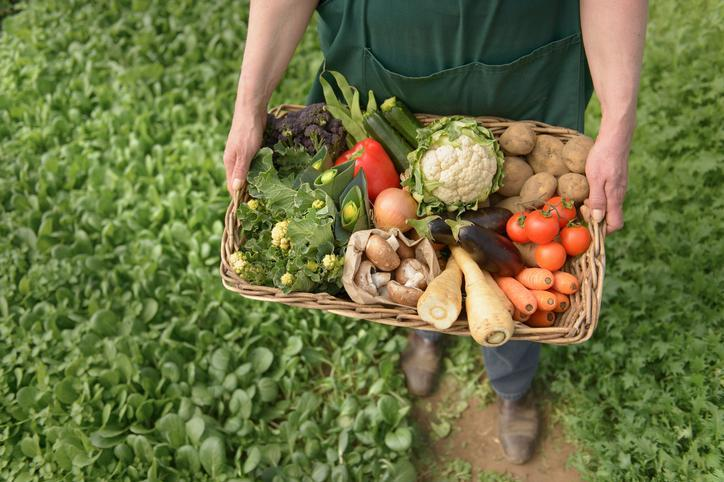
- Prioritize Fresh Produce: Incorporate seasonal fruits and vegetables into every meal. Local markets often offer high-quality, fresh options.
- Choose Functional Snacks: Replace processed snacks with nuts, seeds, or fortified bars to maintain energy levels.
- Experiment with Plant-Based Proteins: Incorporate legumes, lentils, tofu, and plant-based dairy alternatives to reduce reliance on animal protein.
- Read Labels Carefully: Focus on products with minimal additives, natural ingredients, and transparent sourcing practices.
- Meal Prep for Convenience: Prepare organic and plant-based meals in advance to avoid relying on fast food during busy days.
- Hydrate Mindfully: Opt for natural beverages like coconut water, herbal teas, or fortified plant-based drinks.
The Role of Retailers and Restaurants
Retailers and foodservice providers in the GCC are playing a crucial role in shaping healthy eating habits. Supermarkets are expanding organic sections, labeling plant-based products clearly, and offering promotions on healthier items. Restaurants are introducing menus that feature vegan, vegetarian, and functional food options.
This increased availability is helping urban consumers make informed choices. Restaurants that incorporate locally sourced, organic, and plant-based ingredients not only attract health-conscious customers but also contribute to a more sustainable food ecosystem.
Embracing Wellness Beyond Diet
Health-conscious consumers in the GCC understand that wellness is more than diet alone. Physical activity, stress management, and adequate sleep complement nutritious eating. Many urban dwellers integrate functional foods into a holistic lifestyle, using them as part of a balanced approach to health.
Yoga studios, wellness centers, and community programs are also promoting nutrition awareness, highlighting the importance of incorporating organic and plant-based foods for long-term benefits. These initiatives strengthen public understanding of food as medicine and empower individuals to make proactive health decisions.
Future Outlook for GCC Food Trends
The future of the GCC food market looks promising for organic, plant-based, and functional foods. Market analysts predict continued growth as younger generations, particularly millennials and Gen Z, prioritize health and sustainability in their food choices. Innovation in product development, such as plant-based meat alternatives, functional beverages, and fortified snacks, will likely expand consumer options further.
Governments in the region are also supporting healthier lifestyles by promoting awareness campaigns and encouraging local food production. Urban communities are witnessing a transformation where convenience, taste, and health coexist harmoniously.
Conclusion: A Healthier Future
The rising demand for organic, plant-based, and functional foods in GCC countries signals a positive shift toward health-conscious urban living. By making informed dietary choices, embracing local and sustainable products, and integrating wellness practices, residents can enhance their quality of life. Small steps, like choosing fresh produce, functional snacks, and plant-based proteins, can collectively lead to profound health improvements over time.
As the GCC continues to urbanize and modernize, this trend toward conscious eating is likely to strengthen, creating opportunities for individuals, businesses, and communities to thrive in a healthier, more sustainable environment.
Do follow Gulf Magazine on Instagram.
Also Read – GCC Economic Diversification: Tourism, Tech, Finance, Renewables

