

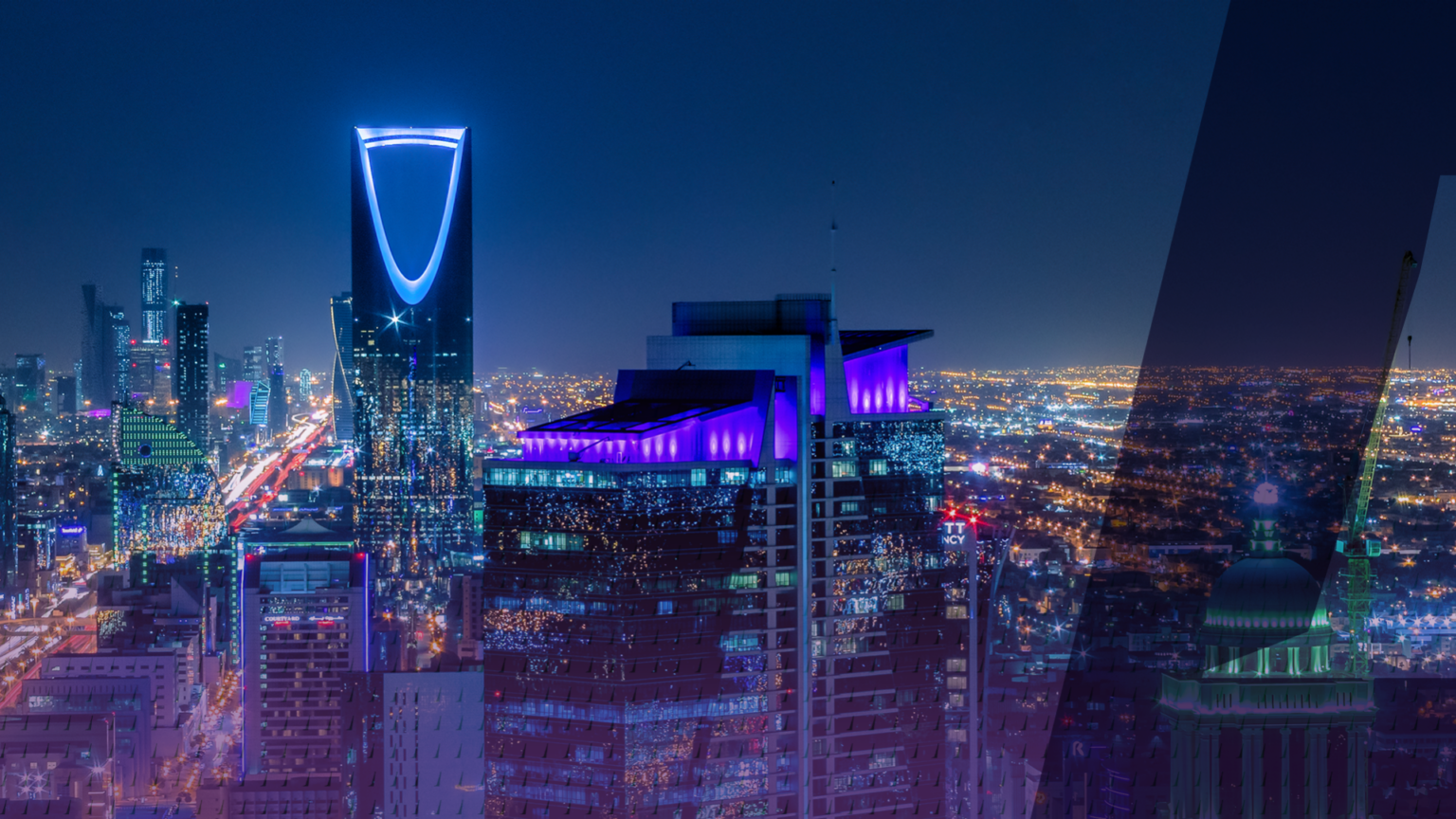
The aviation industry in Saudi Arabia is undergoing a remarkable transformation, with Riyadh emerging as a pivotal player in this dynamic landscape. As the capital city, Riyadh is not just the political heart of the country but is also establishing itself as a significant hub for aviation, propelling Saudi Arabia’s broader ambitions in the global aviation ecosystem. This article delves into how Riyadh is shaping the future of aviation in the Kingdom, its strategic initiatives, and the implications for both the local and international markets.
How Riyadh is Shaping Aviation Development in Saudi Arabia
Riyadh’s expanding role in Saudi Arabia’s aviation ecosystem is driven by strategic investments and visionary leadership. The government recognizes aviation as a vital sector for economic diversification and is committed to elevating its status as a world-class hub.
One of the most ambitious projects is the King Salman International Airport, which aims to transform Riyadh into a global aviation gateway. Planned to accommodate millions of passengers and cargo annually, this airport will not only enhance connectivity but also stimulate economic growth through job creation and tourism.
Moreover, Riyadh is at the center of the Saudi Vision 2030 initiative, which seeks to reduce the Kingdom’s dependence on oil and diversify its economy. This vision encompasses significant investments in infrastructure, including airports, airlines, and related services. The objective is to boost the aviation sector’s contribution to GDP and position Riyadh as a leading regional hub.
Infrastructure Developments Fueling Aviation Growth
A cornerstone of Riyadh’s expanding role in the aviation ecosystem is the robust infrastructure development underway. The government has allocated substantial resources to modernize existing airports and build new facilities that meet international standards.
The expansion of King Khalid International Airport is a prime example. This facility is undergoing significant upgrades to enhance passenger experience, increase capacity, and improve operational efficiency. Such enhancements are crucial for accommodating the anticipated surge in air traffic as Riyadh becomes a more attractive destination for international travelers.
Additionally, Riyadh is focusing on integrating advanced technologies into airport operations. The adoption of smart technologies, including biometric screening and automated check-ins, aims to streamline processes and elevate the overall travel experience.
Strategic Partnerships Enhancing Connectivity
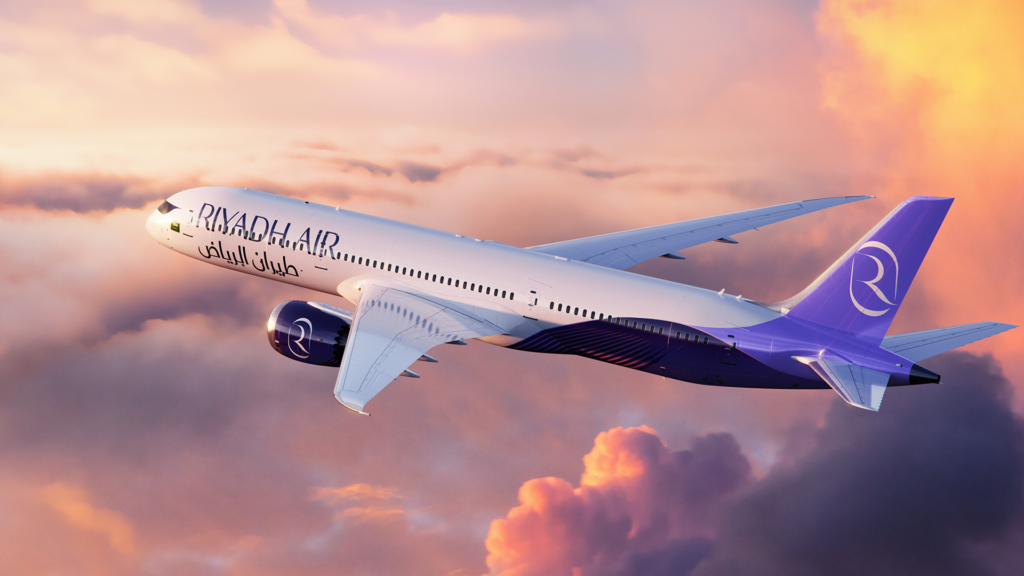
To solidify its position in the aviation landscape, Riyadh is actively forging strategic partnerships with global airlines and aviation stakeholders. These collaborations aim to enhance connectivity and expand route networks, making Riyadh a more accessible destination.
The establishment of new airlines and the expansion of existing carriers are pivotal in achieving this goal. National carrier Saudia is expanding its fleet and route offerings, connecting Riyadh to major cities around the world. Furthermore, partnerships with international airlines enable seamless travel options for passengers, enriching the travel experience while boosting tourism.
These strategic alliances also focus on improving cargo operations, crucial for Riyadh’s aspirations to become a logistics hub. Enhanced air freight services will facilitate trade and commerce, further integrating the Kingdom into the global supply chain.
Training and Workforce Development for Future Growth
Aviation is not just about infrastructure; it’s also about people. Riyadh is investing in training and workforce development to ensure that the aviation sector has the skilled professionals it needs to thrive.
Educational institutions and training centers are being established to equip the workforce with the necessary skills in aviation management, engineering, and customer service. This emphasis on education is essential for fostering a knowledgeable workforce that can support the burgeoning aviation industry.
Additionally, collaboration with international aviation bodies helps to bring best practices and standards to local training programs. This ensures that the workforce is not only competent but also competitive on a global scale.
Economic Impacts of Riyadh’s Aviation Expansion
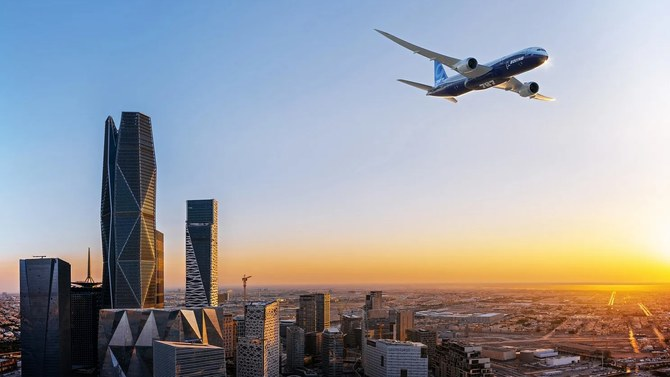
The expansion of Riyadh’s role in Saudi Arabia’s aviation ecosystem is set to have far-reaching economic impacts. As the aviation sector grows, it is expected to create thousands of jobs directly and indirectly, stimulating local economies in Riyadh and beyond.
Moreover, increased air travel will boost tourism, which is a significant focus of the Saudi Vision 2030 initiative. By attracting more international visitors, the city can enhance its cultural exchange and diversify its economy further.
Additionally, the aviation sector’s growth is likely to encourage investments in related industries, including hospitality, retail, and transportation, creating a ripple effect throughout the economy.
Challenges and Future Prospects
While the future looks promising for Riyadh’s role in the aviation ecosystem, challenges remain. Competition from neighboring countries with established aviation hubs poses a threat, necessitating continuous innovation and improvement.
Regulatory frameworks must also evolve to keep pace with the rapid advancements and growing demands of the aviation industry. Ensuring safety and security while enhancing efficiency will be critical as Riyadh expands its aviation offerings.
However, with strategic planning and investment, Riyadh is well-positioned to overcome these challenges. The commitment to enhancing infrastructure, fostering partnerships, and developing a skilled workforce will solidify its role in the global aviation ecosystem.
Conclusion: Riyadh’s Bright Aviation Future
Riyadh’s expanding role in Saudi Arabia’s aviation ecosystem signifies a new era of growth and opportunity. Through ambitious projects, strategic partnerships, and a focus on workforce development, the capital city is poised to become a major player in global aviation.
As Riyadh continues to evolve, it will not only enhance connectivity for travelers but also contribute significantly to the Kingdom’s economic diversification goals. The future of aviation in Riyadh looks bright, promising a seamless blend of innovation, efficiency, and exceptional service.
Do follow Gulf Magazine on Instagram.
Also Read – GCC Banks See Strong Corporate Profit Growth Across GCC

