

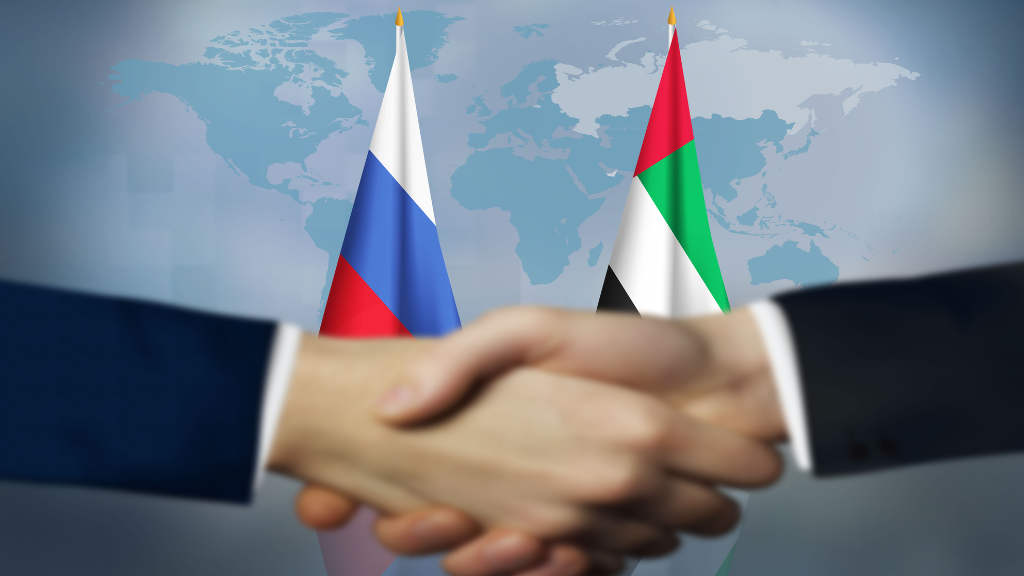
In recent years, the world has witnessed a remarkable shift in economic dynamics. Among the emerging opportunities, the growing partnership between Russia and the Gulf Cooperation Council (GCC) has captured global attention. Comprising six Gulf nations Saudi Arabia, United Arab Emirates, Qatar, Kuwait, Bahrain, and Oman, the GCC is renowned for its strategic economic clout and energy resources. Russia, with its vast natural resources, diversified industries, and geopolitical influence, presents a promising counterpart. Together, these regions are poised to unlock unprecedented trade and investment opportunities that could reshape global economic trends.
Historical Context: From Cautious Engagement to Strategic Partnerships
The economic interactions between Russia and GCC countries have historically been cautious, influenced by global geopolitical shifts. During the Soviet era, engagements were limited and largely political rather than commercial. Post-Cold War, Russia began to emerge as a viable trading partner, slowly building relationships in energy, infrastructure, and defense sectors. The GCC, driven by diversification strategies, started exploring collaborations beyond oil and gas. Over the past decade, bilateral discussions have evolved into strategic partnerships, emphasizing long-term investment, energy cooperation, and technological exchange.
Early Collaborations and Mutual Interests
Initial collaborations focused on energy markets, particularly oil and gas. Both regions share a deep understanding of global energy supply dynamics. Russia’s position as one of the world’s largest oil producers complements the GCC’s role in stabilizing global energy prices. Beyond energy, agriculture, technology, and finance have gradually emerged as areas of mutual interest. GCC nations, seeking to diversify their economies under visionary agendas such as Saudi Arabia’s Vision 2030, view Russia as a partner capable of offering innovative solutions and investment opportunities.
Expanding Trade Horizons: Opportunities Beyond Energy
While energy remains a core pillar of Russia GCC trade, the horizon extends far beyond hydrocarbons. Non-oil sectors are increasingly attracting attention, signaling a new frontier of economic cooperation.
Technology and Innovation
Russia boasts a robust technological sector, particularly in artificial intelligence, aerospace, and defense technologies. GCC nations, in their pursuit of digital transformation, have been actively investing in smart cities, cybersecurity, and digital infrastructure. Collaborations in these domains can accelerate technological development in the Gulf while opening lucrative markets for Russian tech firms.
Infrastructure and Real Estate
The Gulf’s ambitious infrastructure projects, ranging from skyscrapers to mega cities, present enormous opportunities for Russian construction and engineering firms. Joint ventures in urban development, transport networks, and sustainable housing can foster knowledge transfer and long-term investment benefits for both sides.
Agriculture and Food Security
Food security remains a critical concern for GCC countries due to arid climates. Russia, with its vast arable land and advanced agricultural techniques, can become a key partner in providing reliable food supply chains. Investments in farming technology, cold storage, and logistics solutions can create a sustainable ecosystem benefiting both regions.
Investment Strategies: Leveraging Strengths for Mutual Growth
Beyond trade, investment is at the heart of the Russia GCC economic agenda. Strategic investments can create a symbiotic relationship, blending capital, expertise, and market access.
Sovereign Wealth Funds as Catalysts
GCC sovereign wealth funds, among the largest globally, possess the financial muscle to drive large-scale projects. Partnering with Russian enterprises allows for diversification of portfolios while tapping into emerging sectors. Conversely, Russian investors can access the Gulf’s vibrant market and stable investment climate, creating win-win outcomes.
Joint Ventures and Public Private Partnerships
Collaborative ventures between public institutions and private firms from both regions can accelerate economic growth. Projects in renewable energy, logistics hubs, and technology parks exemplify the potential of joint initiatives. These partnerships not only attract global investors but also enhance regional competitiveness on the world stage.
Financial Services and Banking
Strengthening financial ties through banking collaborations, investment funds, and fintech solutions can underpin broader trade relationships. Financial institutions from both sides can facilitate cross-border investment, provide risk mitigation, and support innovative funding models for large-scale infrastructure and tech projects.
Challenges and Considerations: Navigating a Complex Landscape
Despite immense potential, Russia GCC economic collaboration faces challenges that must be addressed strategically.
Geopolitical Dynamics
Global geopolitical tensions can influence trade and investment decisions. Both Russia and GCC nations must navigate complex international relationships while safeguarding economic interests. Diplomatic agility and multilateral cooperation will be crucial in maintaining stable engagement.
Regulatory and Legal Frameworks
Harmonizing business regulations, investment laws, and taxation policies is essential to foster investor confidence. Transparent frameworks that protect foreign investments and encourage innovation are critical for long-term collaboration.
Cultural and Market Nuances
Understanding local business practices, cultural sensitivities, and consumer behavior is vital for success. Building trust through long-term engagement, knowledge sharing, and collaborative planning can bridge gaps and enhance mutual understanding.

Future Outlook: Pioneering a New Economic Frontier
Looking ahead, the Russia GCC partnership holds immense promise. Emerging sectors such as renewable energy, digital economy, and healthcare innovation can become the cornerstone of bilateral cooperation. By leveraging comparative advantages, both regions can create a robust, diversified trade ecosystem that enhances global competitiveness.
Renewable Energy and Sustainability
With global emphasis on sustainability, renewable energy investments are poised to grow exponentially. Russia’s expertise in nuclear and hydroelectric energy, combined with the GCC’s solar initiatives, can create innovative energy solutions that meet global demand.
Healthcare and Biotechnology
Healthcare infrastructure, medical research, and biotechnology represent high-potential sectors for collaboration. Joint investments in hospitals, medical technology, and research centers can enhance public health and generate economic returns.
Tourism and Cultural Exchange
Tourism and cultural initiatives offer soft power opportunities that complement economic collaboration. Promoting cultural exchange, tourism infrastructure, and joint events can strengthen people-to-people ties while boosting investment in hospitality, entertainment, and service sectors.
Conclusion: A Vision for Shared Prosperity
The evolving economic relationship between Russia and the GCC signifies a new frontier of trade and investment. By building on historical ties, embracing diversified opportunities, and addressing strategic challenges, both regions can unlock unprecedented growth. The potential extends beyond mere economic gain; it encompasses knowledge sharing, technological advancement, and sustainable development.
As Russia and the Gulf nations continue to explore and invest in collaborative ventures, they are not only redefining bilateral relations but also shaping the future of global trade. For investors, policymakers, and businesses, this partnership offers a roadmap for prosperity built on innovation, resilience, and strategic foresight.
Do follow Gulf Magazine on Instagram.
Also Read – Two Saudi Cybersecurity Firms Set Sights on Tadawul Listings Within Two Years

