

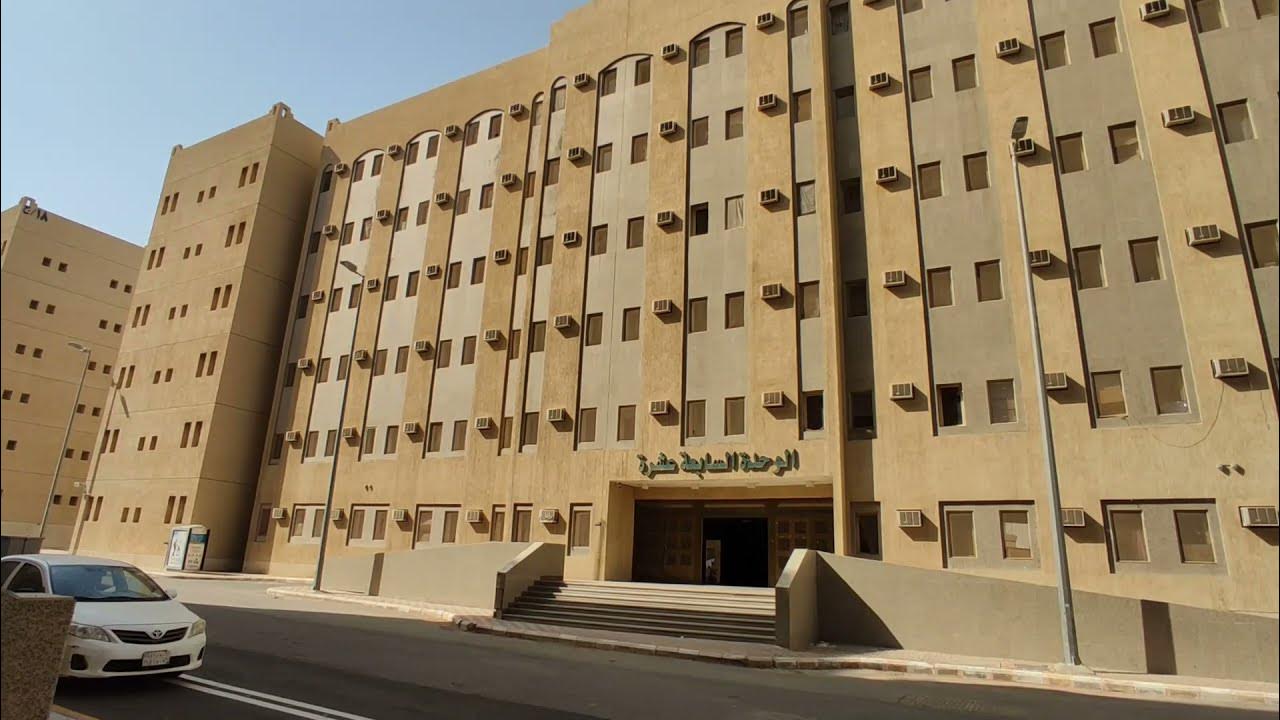
Saudi Arabia has taken a significant step forward in modernizing its educational landscape by permitting on campus housing for students in private educational institutions. This decision promises to reshape the student experience, providing a safe, supportive, and immersive environment that aligns with global educational standards. It is a move that acknowledges the growing demand for comprehensive student facilities and the importance of nurturing well rounded individuals beyond the classroom.
The introduction of on campus housing reflects the Kingdom’s broader vision to enhance private education and empower young learners to thrive academically and socially. By bridging gaps in student accommodation, Saudi Arabia is offering students an opportunity to fully embrace campus life while gaining independence and life skills that extend far beyond their studies.
The Significance of On Campus Housing
Supporting Academic Excellence
On campus housing plays a pivotal role in academic performance. Students living within educational facilities have immediate access to libraries, laboratories, and study centers, creating an environment that encourages focus and engagement. The proximity to classrooms eliminates long commutes, allowing students to dedicate more time to their studies and extracurricular activities.
Additionally, campus housing fosters collaboration among students. Living and studying together cultivates peer support networks, helping students exchange ideas, form study groups, and develop critical thinking skills in a more organic and interactive manner.
Enhancing Student Wellbeing
Living on campus also contributes significantly to student wellbeing. Private housing facilities under regulated standards ensure students have a safe and comfortable environment. Access to communal spaces, recreational areas, and wellness programs promotes mental and physical health, which is crucial for young adults navigating the pressures of academic life.
The sense of community offered by on campus living can reduce feelings of isolation and foster belonging. For many students, this environment becomes a supportive extension of their family, providing mentorship opportunities and connections that can last a lifetime.
Encouraging Social and Cultural Growth
Saudi Arabia’s initiative goes beyond academics and wellbeing; it also embraces the cultural and social dimensions of student life. On campus housing allows students from diverse backgrounds to live and learn together, promoting intercultural understanding and tolerance. Exposure to different perspectives and collaborative experiences helps students develop emotional intelligence, empathy, and leadership skills.
These experiences are invaluable in preparing students for the global stage. By encouraging social engagement, the Kingdom is nurturing future leaders who can navigate complexity, work collaboratively, and contribute meaningfully to society.
Impact on Private Education
Boosting Private Educational Institutions
Allowing on campus housing is a significant boost for private educational institutions. It enhances their appeal to prospective students by offering a more holistic educational experience. Facilities that include dormitories, study lounges, and recreational spaces make private institutions more competitive, attracting both local and international students.
This initiative also encourages private institutions to invest in high quality infrastructure and student services. The resulting improvements in facilities, resources, and campus culture create a virtuous cycle: better environments lead to higher student satisfaction, which, in turn, enhances the institution’s reputation and enrollment rates.
Aligning With Global Standards
The move aligns Saudi Arabia with international educational practices. Many leading universities worldwide provide on campus housing as a standard feature, recognizing its impact on academic success, student retention, and overall satisfaction. By adopting similar strategies, Saudi Arabia is signaling its commitment to providing world class educational experiences within the Kingdom.
This alignment also increases opportunities for international collaboration and exchange programs. Students residing on campus are more likely to participate in cultural, academic, and leadership programs, positioning Saudi Arabia as a hub for innovative and globally connected education.
Economic and Social Benefits
Stimulating Local Economies
The development of on campus housing in private institutions can have a ripple effect on local economies. Construction projects, maintenance, and operational staffing create jobs and stimulate business opportunities in surrounding communities. Cafeterias, bookstores, and recreational facilities also provide additional revenue streams and services, contributing to regional economic growth.
Promoting Independence and Life Skills
On campus housing encourages students to develop independence, responsibility, and essential life skills. Managing daily routines, budgeting, and collaborating with peers prepares students for life beyond education. These experiences are particularly valuable for young adults transitioning from home environments to professional careers.
Strengthening Community Ties
By fostering student engagement on campus, private institutions can create vibrant communities that extend beyond academic pursuits. Events, workshops, and volunteer opportunities within housing facilities help students contribute positively to local society, reinforcing social cohesion and instilling a sense of civic responsibility.

Implementation and Future Prospects
Regulatory Framework
The Saudi Ministry of Education is expected to provide clear regulations and guidelines to ensure that on campus housing meets safety, quality, and inclusivity standards. By enforcing robust oversight, the Kingdom can guarantee that students benefit from a secure, enriching, and equitable living environment.
Encouraging Innovation
Private institutions are likely to embrace innovative approaches in designing and managing student housing. Technology enabled solutions, smart living arrangements, and eco friendly infrastructure can enhance the student experience while promoting sustainability and efficiency.
Expanding Opportunities
As the policy matures, Saudi Arabia may see an expansion of on campus housing beyond major cities, allowing students in remote areas to access quality education without the burden of long commutes. This could further democratize education, ensuring that more young people benefit from enriched campus experiences.
Conclusion A New Era for Saudi Students
Saudi Arabia’s decision to allow on campus student housing in private educational institutions marks a transformative moment in the country’s educational journey. It signifies a commitment to student wellbeing, academic excellence, and global competitiveness.
By fostering vibrant, supportive, and inclusive campus communities, the Kingdom is equipping young learners with the tools, experiences, and confidence to thrive in an interconnected world. Students can now fully embrace their educational journeys, develop independence, and engage in social and cultural growth, all within safe and modern living spaces.
This bold step reaffirms Saudi Arabia’s vision for the future of education, one where students are not just recipients of knowledge but active participants in dynamic, nurturing, and globally connected learning communities.
Do follow Gulf Magazine on Instagram.
Also Read – Saudi Youth Lead Global WAICY Victory For A Third Consecutive Year

