

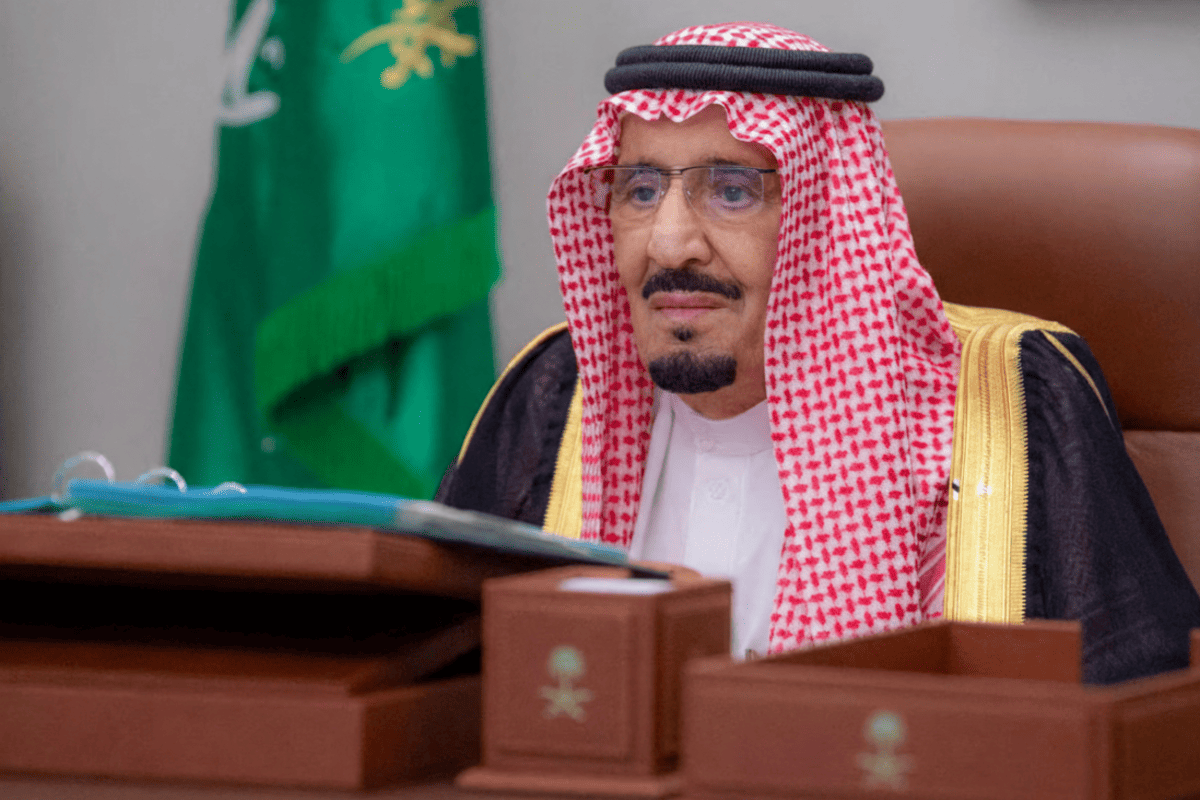
Saudi Arabia Appoints Powerful New Investment Minister by Royal Decree
Saudi Arabia has appointed a new investment minister under a Royal Decree, signaling a strategic step in the Kingdom’s ongoing economic transformation journey. The leadership change reflects the government’s continued focus on strengthening foreign direct investment (FDI), deepening global partnerships, and accelerating diversification efforts.
The appointment comes at a time when Saudi Arabia is intensifying efforts to position itself as one of the region’s most attractive destinations for international investors. With global competition for capital growing stronger, leadership at the investment ministry plays a crucial role in shaping policy, building investor confidence, and driving sustainable growth.
A Strategic Leadership Shift
The Royal Decree marks more than a routine cabinet reshuffle. It represents a calculated move to align investment leadership with the country’s evolving economic priorities. As Saudi Arabia advances its Vision 2030 objectives, attracting high-quality foreign investment remains central to achieving long-term economic resilience.
The newly appointed minister is expected to bring a fresh perspective, global experience, and a results-driven approach to the role. Investment leadership in Saudi Arabia involves navigating complex global markets, fostering regulatory reforms, and ensuring that policies remain competitive in attracting multinational corporations.
Strengthening the Foreign Direct Investment Push
Foreign direct investment is a cornerstone of Saudi Arabia’s diversification strategy. Beyond oil revenues, the Kingdom aims to expand into sectors such as technology, renewable energy, tourism, entertainment, logistics, and advanced manufacturing. Achieving these ambitions requires sustained inflows of capital and expertise.
The new investment minister will likely focus on simplifying business regulations, enhancing investor services, and building long-term partnerships with global corporations. Streamlined licensing procedures, improved transparency, and targeted incentives are expected to remain key pillars of the ministry’s agenda.
By reinforcing these frameworks, Saudi Arabia seeks to create a stable and predictable environment that appeals to both regional and international investors.
Aligning with Vision 2030
Vision 2030 is the blueprint guiding Saudi Arabia’s economic transformation. It outlines a shift from oil dependency toward a diversified, innovation-led economy supported by private sector growth. Investment plays a central role in unlocking new industries and generating employment opportunities.
The appointment of a new investment minister underscores the Kingdom’s determination to maintain momentum. Strong leadership is essential to ensuring that reform programs remain aligned with evolving global economic trends.
From giga-project developments to emerging tech ecosystems, the investment ministry’s policies influence how effectively these initiatives attract international collaboration.
Enhancing Global Economic Integration
Saudi Arabia has increasingly positioned itself as an active participant in global economic forums and investment summits. By strengthening ties with international investors, sovereign wealth funds, and multinational companies, the Kingdom aims to deepen its integration into global capital markets.
The new minister’s role will include promoting Saudi Arabia’s investment potential abroad, participating in strategic economic dialogues, and fostering partnerships that bring innovation and expertise into the domestic market.
Global investors look for clarity, consistency, and confidence when entering new markets. A well-defined investment strategy supported by decisive leadership can significantly enhance the country’s competitive edge.
Encouraging Private Sector Growth
Beyond attracting foreign capital, the ministry also plays a role in empowering domestic enterprises. Encouraging partnerships between local companies and international investors can drive knowledge transfer, innovation, and capacity building.
A thriving private sector is essential for sustainable economic growth. By facilitating joint ventures and cross-border collaborations, the investment ministry can help create an ecosystem where businesses expand, create jobs, and contribute to long-term prosperity.
The new leadership may also explore emerging sectors such as artificial intelligence, clean energy, and advanced manufacturing, ensuring that Saudi Arabia remains future-focused and adaptable.
Investor Confidence and Policy Stability
Leadership transitions often prompt questions from investors. However, Saudi Arabia’s consistent reform trajectory suggests continuity in its commitment to economic openness. The Royal Decree reflects structured governance rather than uncertainty, reinforcing institutional stability.
Maintaining investor confidence will remain a priority. Clear communication of policy direction, measurable reform outcomes, and transparent regulatory frameworks can further strengthen trust in the Saudi market.
With global economic conditions evolving, adaptive leadership becomes crucial. The new minister will need to balance domestic priorities with external market dynamics to sustain investment growth.
Looking Ahead
Saudi Arabia’s appointment of a new investment minister through Royal Decree signals ambition and determination. As the Kingdom advances its diversification journey, strong and strategic investment leadership will be central to achieving its economic goals.
The move reinforces the message that Saudi Arabia remains committed to fostering a dynamic investment climate, welcoming global partnerships, and driving long-term transformation. With focused leadership at the helm, the next chapter of the Kingdom’s investment story is set to unfold with renewed momentum and global engagement.
Do Follow Gulf Magazine on Instagram
Read More:- Non-Saudis Can Own Real Estate in Saudi Arabia – An Exclusive Opportunity from January 2026

