

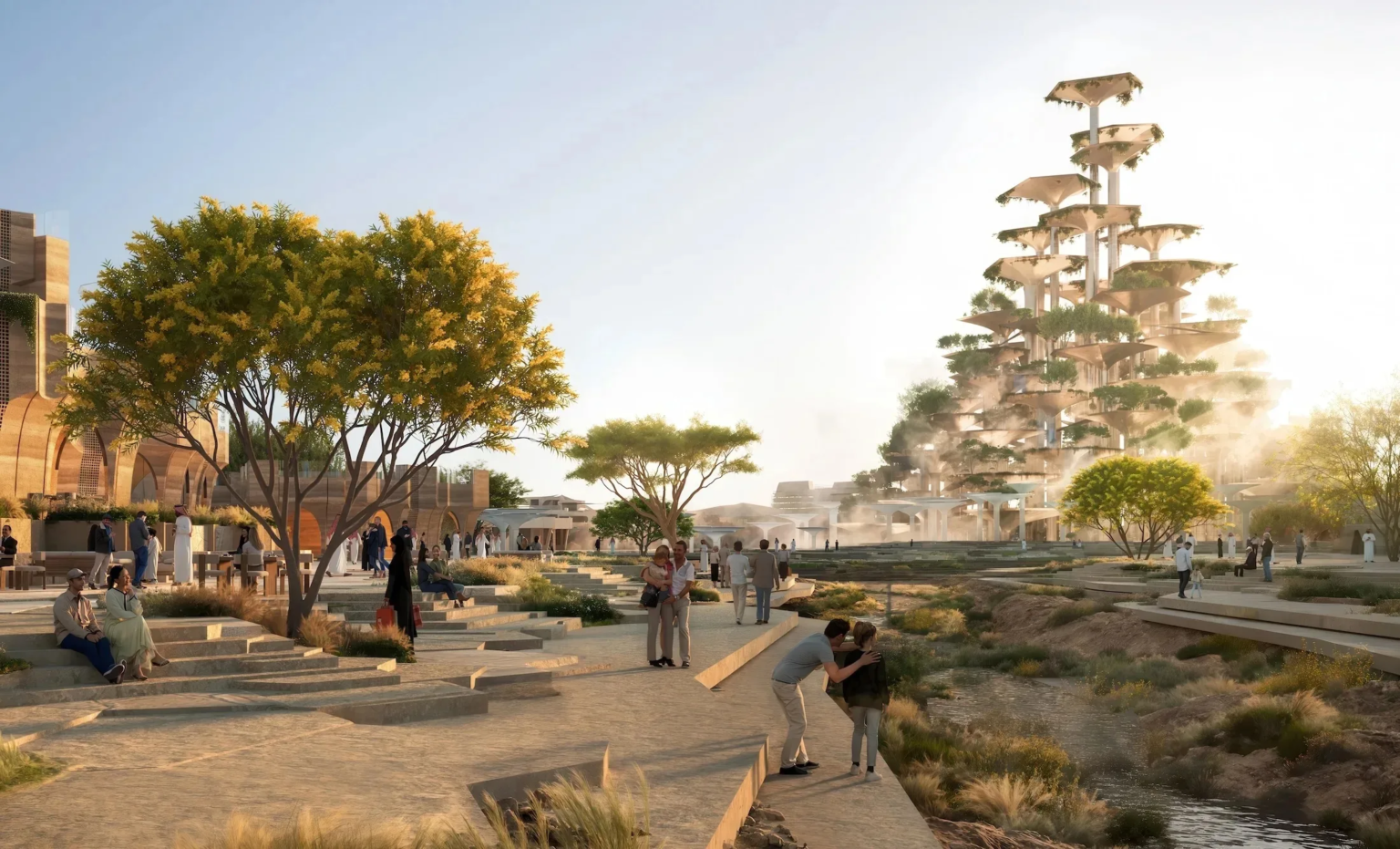
Saudi Arabia is entering a new phase of transformation. After years of announcing some of the world’s most ambitious giga-projects under Vision 2030, the Kingdom is now strategically recalibrating its priorities. The focus is clear: delivering a spectacular FIFA World Cup while ensuring economic stability and long-term impact.
This shift does not signal retreat. Instead, it reflects a practical, forward-looking approach. By temporarily scaling back certain large-scale developments, Saudi Arabia is concentrating its resources, energy, and infrastructure planning toward a single defining global event. The World Cup is not just a tournament it is an opportunity to reshape international perception, accelerate reforms, and showcase the Kingdom’s rapid evolution.
Why the Shift in Strategy Matters
Saudi Arabia’s giga-projects, including futuristic cities, luxury tourism destinations, and large-scale entertainment hubs, have captured worldwide attention. These projects symbolize Vision 2030’s ambition to diversify the economy beyond oil and position the Kingdom as a global business and tourism hub.
However, mega-developments require vast capital, workforce mobilization, and long timelines. As the World Cup approaches, policymakers are prioritizing what can deliver visible, immediate impact.
A Focused Investment Approach
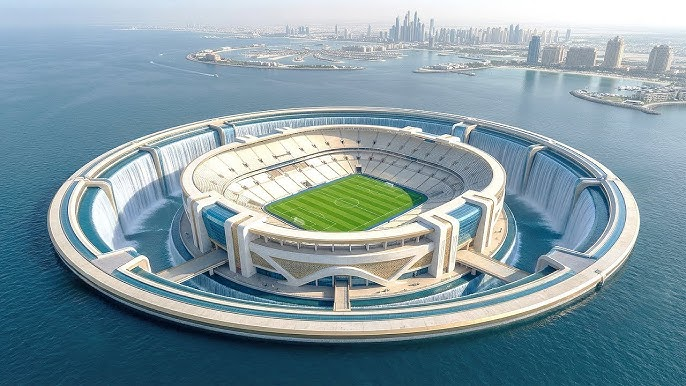
Rather than spreading investments across multiple massive undertakings, Saudi Arabia is channeling funding into infrastructure that directly supports the World Cup. This includes stadium construction, transportation networks, hospitality expansion, and urban upgrades.
This focused investment strategy ensures that projects tied to the event are completed on time and meet global standards. It also reduces financial pressure, allowing the government to manage spending responsibly amid global economic fluctuations.
Managing Economic Pressures
Large-scale national transformations come with financial challenges. Rising global construction costs, supply chain disruptions, and fluctuating oil revenues have made fiscal discipline more important than ever.
By phasing or resizing certain giga-project components, Saudi Arabia can better balance its budget while continuing to pursue Vision 2030 goals. This is not abandonment—it is smart sequencing.
The World Cup as a National Catalyst
Hosting the FIFA World Cup is a moment of immense national pride. For Saudi Arabia, it represents more than football. It is a global stage to demonstrate modernization, cultural openness, and economic ambition.
Infrastructure That Serves Beyond the Tournament
One of the key advantages of focusing on the World Cup is the long-term legacy. Stadiums, airports, public transport systems, and hospitality facilities built for the event will continue serving residents and visitors for decades.
Metro expansions, upgraded highways, and new rail links are designed not only for match days but also to strengthen connectivity across major cities. This infrastructure supports tourism growth, business travel, and domestic mobility long after the final whistle.
Tourism and Global Branding
Saudi Arabia has been aggressively promoting itself as a new tourism destination. From historic heritage sites to Red Sea resorts and cultural festivals, the Kingdom is reshaping its image.
The World Cup offers unmatched visibility. Billions of viewers will tune in, providing Saudi Arabia with a global marketing platform. By ensuring seamless organization and world-class facilities, the country aims to leave a lasting positive impression.
What Happens to the Giga-Projects?
The scaling back of giga-projects does not mean cancellation. Instead, timelines are being adjusted and certain elements re-evaluated.
Phased Development Instead of Immediate Expansion
Some projects will proceed in smaller phases, focusing first on commercially viable or high-demand components. For example, residential zones, hospitality segments, and key infrastructure may move ahead, while more experimental or futuristic aspects are postponed.
This phased approach reduces risk while maintaining long-term ambition.
Stronger Private Sector Participation
Another likely outcome is increased private sector involvement. By inviting global investors and local businesses to participate more actively, the government can share financial responsibility and bring additional expertise into project execution.
This aligns with Vision 2030’s broader goal of empowering the private sector and reducing reliance on state funding.
Balancing Ambition With Reality
Saudi Arabia’s transformation journey has always been bold. The announcement of futuristic cities and trillion-dollar developments sparked both admiration and skepticism worldwide.
Now, by recalibrating priorities, the Kingdom is showing flexibility. Large-scale visions require adaptability, especially in a rapidly changing global economy.
A More Sustainable Growth Model
Scaling back certain elements allows planners to reassess market demand, environmental impact, and financial sustainability. Instead of rushing to meet aggressive deadlines, projects can evolve based on realistic projections.
This measured approach may ultimately strengthen the credibility of Vision 2030.
Human Impact and Workforce Considerations
Mega-projects involve thousands of workers, engineers, designers, and contractors. By prioritizing World Cup-related developments, the government ensures steady employment and clear targets for the construction sector.
At the same time, workforce planning becomes more efficient. Resources can be allocated to critical projects without overstretching labor markets or supply chains.
Regional and Global Implications
Saudi Arabia’s decision carries broader implications for the Middle East. The region has increasingly positioned itself as a global hub for major sporting events, from Formula 1 to international boxing and football tournaments.
Strengthening Regional Leadership
By delivering a successful World Cup, Saudi Arabia reinforces its status as a leading regional power in sports, tourism, and infrastructure development. This can attract further international partnerships and events.
Investor Confidence
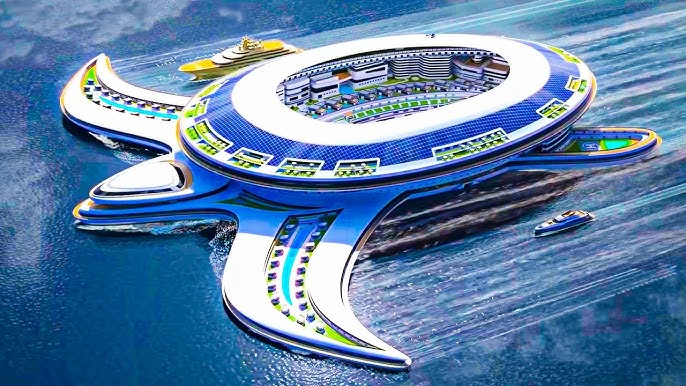
While some investors may initially interpret scaling back as a slowdown, many will likely view it as prudent management. Transparent prioritization can build confidence, demonstrating that Saudi Arabia is committed to sustainable, well-planned growth rather than unchecked expansion.
Public Sentiment and National Identity
For Saudi citizens, the World Cup represents unity and pride. The focus on delivering a flawless event resonates emotionally.
There is growing enthusiasm among young Saudis, who see the tournament as a symbol of opportunity and global engagement. Sports, entertainment, and cultural reforms have already transformed daily life in the Kingdom. The World Cup amplifies that transformation.
Looking Ahead: Beyond the Tournament
The real test lies in what comes after the World Cup. Infrastructure must remain active, tourism momentum must continue, and scaled-back projects must re-enter development cycles thoughtfully.
Saudi Arabia’s long-term goals remain intact: economic diversification, job creation, and global integration. The temporary recalibration reflects strategic timing, not a retreat from ambition.
Vision 2030 Still at the Core
Even as priorities shift, Vision 2030 continues to guide policy decisions. The Kingdom’s leadership has consistently emphasized flexibility within the broader reform framework.
By focusing on deliverables that offer immediate international impact, Saudi Arabia is strengthening the foundation for future phases of development.
A Strategic Pause, Not a Step Back
Saudi Arabia’s decision to scale back certain giga-projects to concentrate on the World Cup is a calculated move. It reflects maturity in planning and awareness of economic realities.
Mega-events require flawless execution. By aligning national resources toward this goal, the Kingdom is increasing its chances of delivering a historic tournament that leaves a lasting legacy.
Ambition remains strong. The skyline may evolve at a measured pace, but the vision continues forward strategic, focused, and determined.
Do Follow Gulf Magazine on Instagram
Read More:- Egypt Unveils Bold $1 Billion Red Sea Luxury Vision

