


The cold chain logistics market in Saudi Arabia is on the brink of an unprecedented growth phase. Expected to reach USD 8,279.3 million by 2034, the sector is projected to expand at a robust CAGR of 11.75%. This surge is fueled by a combination of rising consumer demand, increasing healthcare requirements, technological advancements, and the Kingdom’s strategic investments in infrastructure.
Cold chain logistics, which involves temperature-controlled storage and transportation of perishable goods, plays a crucial role in maintaining product quality. From food items to pharmaceuticals, this sector ensures that products reach their destinations in optimal condition, reducing waste and ensuring consumer safety.
Saudi Arabia’s growing economy, coupled with government initiatives to diversify the economy under Vision 2030, has made the logistics sector, particularly cold chain logistics, a key area of focus. The country’s strategic location as a logistics hub between Asia, Europe, and Africa adds another layer of opportunity for market expansion.
Key Drivers Fueling Market Growth
Rising Demand for Food and Beverages
One of the main drivers of the cold chain logistics market in Saudi Arabia is the increasing demand for fresh and frozen food products. With urbanization and changing lifestyles, consumers are seeking high-quality, ready-to-eat, and perishable food products, creating a demand for efficient cold chain systems.
The Kingdom’s retail and e-commerce sectors are expanding rapidly, requiring cold chain solutions to transport products from farms or factories to consumers without compromising quality. Frozen foods, dairy products, and seafood are some of the segments experiencing significant growth, directly boosting the need for advanced cold chain logistics.
Pharmaceutical and Healthcare Sector Expansion
The pharmaceutical and healthcare sectors are another significant contributor to market growth. Temperature-sensitive vaccines, biologics, and other pharmaceutical products require stringent cold chain management. With the Kingdom’s healthcare sector growing and increasing investments in medical infrastructure, the demand for specialized cold storage facilities and refrigerated transport has soared.
Moreover, global healthcare trends, such as vaccine distribution and personalized medicine, require reliable cold chain logistics. Saudi Arabia’s commitment to enhancing healthcare access aligns with the growth of this sector.
Technological Advancements in Logistics
Modern technology has transformed cold chain logistics, making it more efficient and reliable. Real-time monitoring, IoT-enabled tracking, AI-based route optimization, and automated storage systems are revolutionizing the sector. Companies are adopting advanced solutions to ensure product integrity, reduce spoilage, and improve operational efficiency.
The integration of technology also allows logistics providers to offer end-to-end visibility, which is particularly important for pharmaceutical and food industries. These innovations not only enhance efficiency but also improve customer satisfaction and trust.

Challenges and Opportunities
Infrastructure and Investment Requirements
While the market is booming, infrastructure and investment challenges persist. Establishing state-of-the-art cold storage facilities and refrigerated transport fleets requires substantial capital. The availability of skilled personnel and adherence to international standards are additional considerations.
However, these challenges also present opportunities for foreign investors and technology providers to enter the Saudi market. Public-private partnerships and government incentives are increasingly supporting investments in cold chain infrastructure, ensuring steady growth.
Regulatory Landscape and Compliance
The cold chain logistics market is highly regulated to ensure safety and quality standards. Regulatory compliance, particularly for pharmaceuticals and food, is critical. The Saudi Food and Drug Authority (SFDA) and other regulatory bodies enforce strict guidelines, requiring companies to maintain high operational standards.
Adherence to international standards, including HACCP (Hazard Analysis and Critical Control Points) and GDP (Good Distribution Practices), ensures that Saudi Arabia remains a reliable hub for cold chain logistics. While compliance can be challenging, it strengthens the market’s credibility and opens avenues for global partnerships.
Sustainability and Green Logistics
Environmental concerns are increasingly influencing the cold chain market. Energy consumption, refrigerant management, and carbon emissions are key considerations. Companies investing in green logistics solutions, such as solar-powered cold storage or electric refrigerated vehicles, not only reduce environmental impact but also gain a competitive edge.
Saudi Arabia’s focus on sustainability under Vision 2030 aligns with the growing demand for eco-friendly logistics solutions, creating opportunities for innovation and long-term growth.
Market Segmentation and Trends
By Type of Service
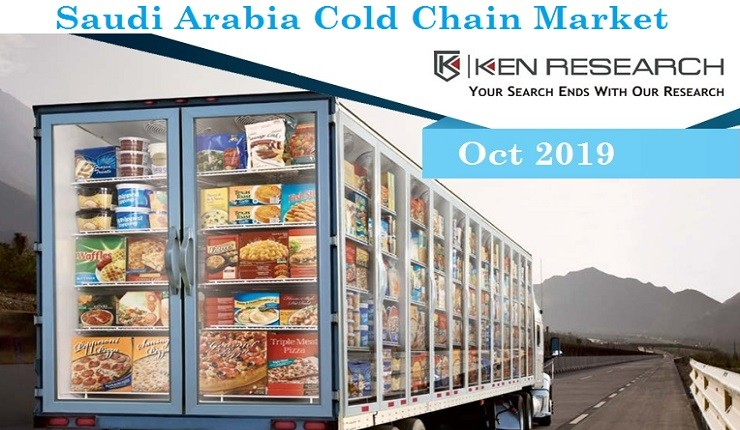
The cold chain logistics market can be segmented by service type, including transportation, warehousing, and packaging solutions. Transportation dominates the market, with refrigerated trucks, air cargo, and shipping solutions ensuring the safe delivery of perishable products.
Warehousing and storage facilities are also expanding, with modern cold storage centers offering temperature-controlled environments for various industries. Packaging solutions, particularly for pharmaceutical and food items, are evolving with advanced materials and insulation techniques.
By Industry Vertical
The food and beverage sector accounts for the largest share of the market, driven by rising consumer demand for fresh and frozen products. The pharmaceutical and healthcare sectors are witnessing rapid growth, fueled by vaccine distribution and biologics storage requirements.
Other sectors, such as chemicals, agriculture, and cosmetics, also contribute to the demand for cold chain logistics. Each industry has unique temperature and storage requirements, prompting service providers to offer customized solutions.
Emerging Market Trends
Several trends are shaping the cold chain logistics market in Saudi Arabia:
- Digitalization: Adoption of IoT, AI, and blockchain for real-time tracking and supply chain transparency.
- Outsourcing: Companies are increasingly outsourcing cold chain logistics to third-party providers for cost efficiency.
- Regional Expansion: Investments in new cold storage facilities in urban and semi-urban areas to cater to growing demand.
- Food Safety Focus: Enhanced focus on reducing spoilage and maintaining product integrity from production to consumption.
Future Outlook and Market Forecast
Saudi Arabia’s cold chain logistics market is poised for remarkable growth over the next decade. By 2034, it is expected to reach USD 8,279.3 million, growing at a CAGR of 11.75%. This growth will be driven by continued investment in infrastructure, adoption of advanced technologies, and increasing demand across multiple sectors.
The government’s initiatives, including Vision 2030, emphasize the importance of efficient logistics networks, both for domestic consumption and export potential. The Kingdom’s strategic location further enhances opportunities for regional and global partnerships in cold chain logistics.
Emerging trends such as sustainable logistics, AI-enabled monitoring, and blockchain-driven supply chain transparency will redefine the market landscape. Companies that innovate and adapt to these trends will have a significant competitive advantage.
Conclusion
The cold chain logistics market in Saudi Arabia is entering an era of transformative growth. With projected market size exceeding USD 8 billion by 2034, it presents significant opportunities for investors, businesses, and technology providers.
Rising demand in the food, beverage, and pharmaceutical sectors, combined with government support and technological advancements, positions Saudi Arabia as a regional leader in cold chain logistics. While challenges such as infrastructure investment, regulatory compliance, and sustainability remain, they also pave the way for innovation and long-term growth.
As the Kingdom continues to invest in modern logistics networks and embraces digital transformation, the cold chain logistics market is set to play a pivotal role in ensuring food safety, healthcare efficiency, and economic diversification. Companies that strategically align with these trends are likely to reap substantial rewards, contributing to a more resilient and sustainable supply chain ecosystem.
Saudi Arabia’s cold chain sector is not just a market; it is a reflection of the Kingdom’s broader ambitions modernization, innovation, and a commitment to global standards. The journey ahead promises exciting developments, and stakeholders have a unique opportunity to be part of this transformative growth story.
Do follow Gulf Magazine on Instagram.
Also Read – Egypt’s Food Industry Exports Surge 11% to Exceed $5.8 Billion

