

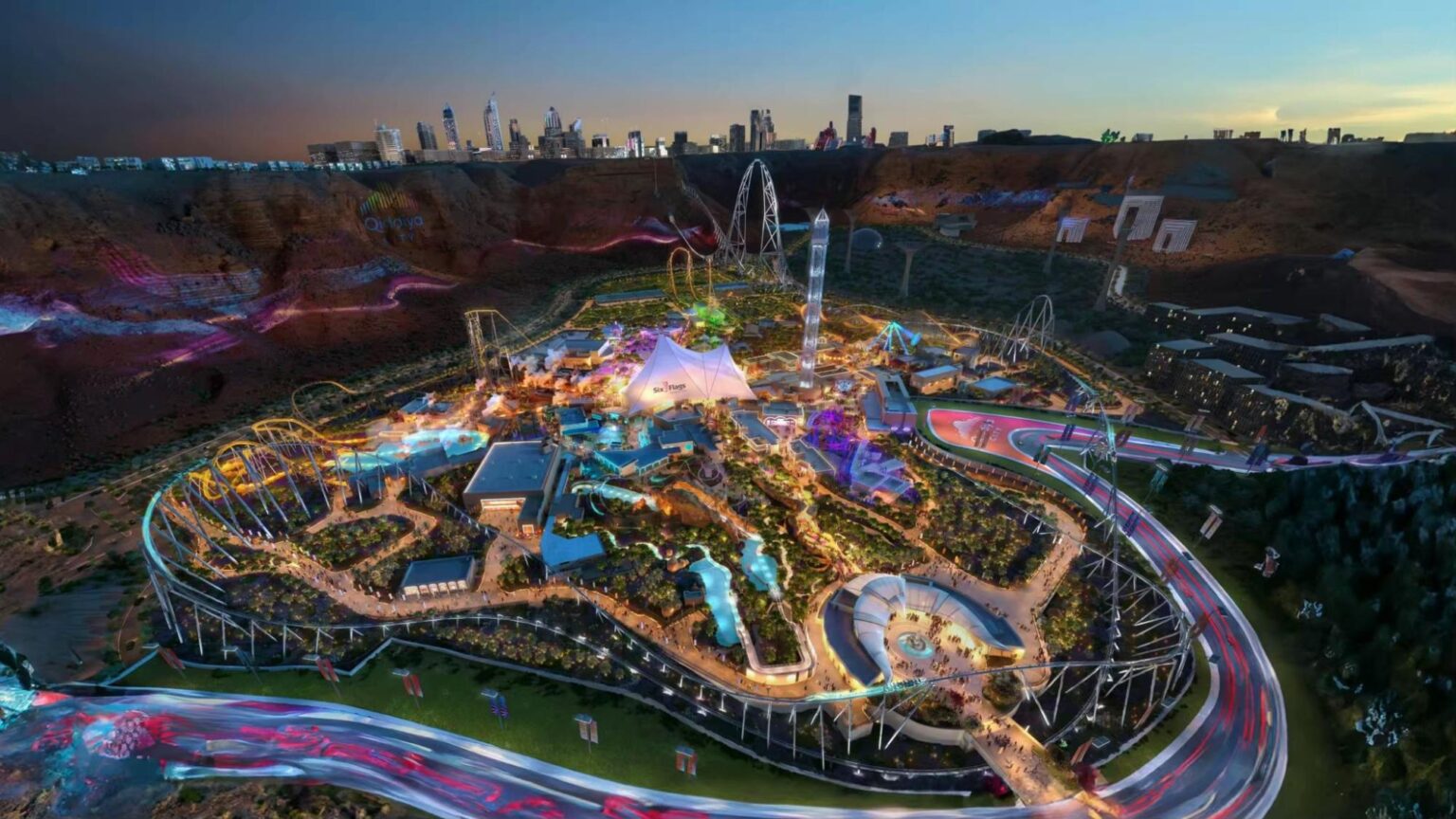
Saudi Arabia entertainment zones are becoming a central feature of the Kingdom’s ambitious mega-projects, most notably NEOM. These futuristic destinations are being designed not only as places to live and work but also as global hubs for leisure, culture, and world-class attractions. As part of Vision 2030, Saudi Arabia is focusing on transforming its tourism and entertainment landscape, creating experiences that will attract millions of visitors from around the world.
Vision 2030 and the Entertainment Revolution
Saudi Arabia’s Vision 2030 has set the stage for unprecedented changes in the Kingdom’s cultural and economic identity. For decades, Saudi Arabia was known more for its energy sector and religious significance, but with Vision 2030, diversification has become the driving force.
Entertainment zones are at the heart of this strategy. They aim to create a vibrant social fabric, provide residents with modern lifestyle experiences, and position Saudi Arabia as a premier global destination. The expansion of these zones in projects like NEOM, Qiddiya, and the Red Sea Development is already reshaping the Kingdom’s image.
NEOM: The Crown Jewel of Future Entertainment
NEOM, the $500 billion mega-city under construction in northwestern Saudi Arabia, is one of the most ambitious projects in the world. Envisioned as a futuristic smart city, NEOM is being developed with multiple regions, each catering to specific industries and lifestyles.
Within NEOM, entertainment zones are a major focus. The Line, Trojena, Sindalah, and Oxagon will all feature unique cultural and entertainment offerings.
- The Line will integrate futuristic living with leisure activities, offering cultural centers, green spaces, and high-tech recreational hubs.
- Trojena, the mountain tourism destination, will host adventure sports, winter activities, and global sporting events, including the 2029 Asian Winter Games.
- Sindalah, NEOM’s luxury island in the Red Sea, will be a hotspot for yachting, nightlife, fine dining, and cultural festivals.
- Oxagon, the industrial hub, will also feature recreational spaces to ensure work-life balance for its residents.
NEOM’s entertainment zones are not just attractions—they are lifestyle ecosystems designed for both residents and international tourists.
Qiddiya: The Capital of Entertainment
Alongside NEOM, Qiddiya near Riyadh is another centerpiece of Saudi Arabia’s entertainment vision. Marketed as the Kingdom’s “Capital of Entertainment, Sports and the Arts,” Qiddiya is set to include theme parks, concert venues, racing tracks, and cultural districts.
Some of its highlights include:
- A Six Flags theme park, the largest outside the United States.
- Motorsport arenas designed to host Formula 1-level races.
- A vast performing arts center for concerts, theater, and festivals.
- Residential and retail areas integrated with leisure facilities.
The focus on Qiddiya shows how entertainment zones will not just be visitor attractions but key lifestyle hubs for Saudi residents.
Red Sea and AMAALA: Luxury Meets Leisure
On the Kingdom’s western coast, the Red Sea Project and AMAALA are redefining luxury tourism. Entertainment zones here will be rooted in eco-tourism, wellness, and ultra-luxury experiences.
Visitors can expect:
- Exclusive beach clubs and cultural festivals.
- Luxury marinas for international yachting events.
- Art exhibitions, wellness retreats, and nature-driven entertainment.
These developments will position Saudi Arabia’s Red Sea coast as a competitor to global luxury destinations such as the Maldives or French Riviera.
Why Entertainment Zones Matter for Saudi Arabia
Expanding entertainment zones across mega-projects is not only about leisure—it’s an economic and cultural transformation.
1. Tourism Growth
Saudi Arabia aims to attract 150 million visitors annually by 2030. Entertainment zones provide the attractions and infrastructure necessary to sustain this goal.
2. Job Creation
From construction to event management, the entertainment industry creates thousands of jobs. These projects are providing opportunities for Saudi youth in diverse fields.
3. Cultural Exchange
Entertainment zones will host international concerts, sports, and festivals, making Saudi Arabia a hub for global cultural exchange.
4. Quality of Life
For residents, these zones offer new lifestyle opportunities, reducing the need to travel abroad for leisure and entertainment.
5. Economic Diversification
Moving away from oil dependency, entertainment is becoming a pillar of Saudi Arabia’s non-oil economy.
Technology and Sustainability in Entertainment
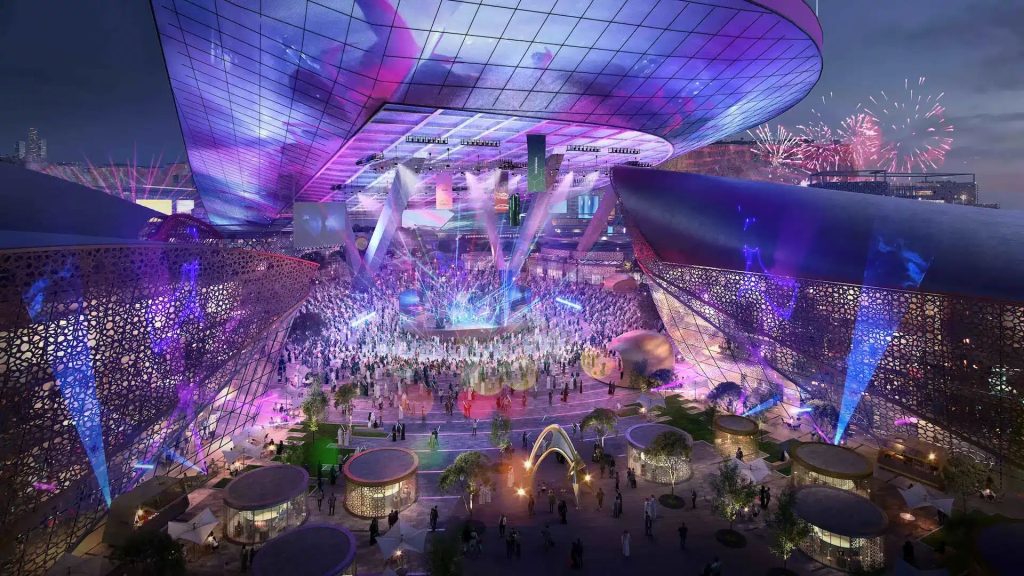
A unique feature of Saudi Arabia’s entertainment expansion is the integration of technology and sustainability. Projects like NEOM are designed with smart infrastructure, renewable energy, and eco-friendly construction. Entertainment zones will benefit from:
- AI-driven smart city planning.
- Renewable energy-powered venues.
- Advanced transportation like flying taxis and high-speed trains.
- Eco-friendly tourism models.
This futuristic approach makes Saudi Arabia stand out in the global entertainment industry.
Global Partnerships and International Brands
Saudi Arabia’s entertainment projects have attracted partnerships with leading global brands. For example, Six Flags is partnering in Qiddiya, while major hotel chains and luxury brands are investing in Sindalah and AMAALA.
International artists and event organizers are also being brought in, ensuring that Saudi Arabia’s entertainment offerings match global standards. This collaboration accelerates the Kingdom’s integration into the global leisure and tourism market.
Public Response and Changing Perceptions
The expansion of entertainment zones has received mixed reactions within Saudi society. While many citizens welcome the opportunities and lifestyle changes, some remain cautious about rapid cultural shifts.
However, public acceptance has grown steadily as Saudis enjoy more concerts, sports events, and cultural festivals at home. Younger generations, in particular, see these changes as a positive step toward a modern and globally connected Saudi Arabia.
Challenges Along the Way
Despite its successes, Saudi Arabia faces challenges in expanding entertainment zones:
- Cost and Scale: Mega-projects like NEOM require massive investment and long timelines.
- Cultural Balance: The Kingdom must balance modernization with traditional values.
- Global Competition: Competing with established entertainment hubs like Dubai, Singapore, or Las Vegas requires constant innovation.
Still, with strong government support and Vision 2030 as a guiding framework, Saudi Arabia is pushing forward with confidence.
Looking Ahead: The Future of Saudi Entertainment
By 2030, Saudi Arabia’s entertainment zones in NEOM, Qiddiya, and the Red Sea will likely be fully operational and welcoming millions of visitors. These projects are more than just leisure spots—they represent a reimagining of Saudi Arabia’s role in the world.
The Kingdom is shifting from a largely energy-dependent economy to a diversified, globally competitive one where culture, lifestyle, and entertainment play a leading role.
Entertainment zones will be the face of this transformation, showcasing Saudi Arabia’s ability to blend tradition with modernity, sustainability with luxury, and local culture with global experiences.
Conclusion
Saudi Arabia entertainment zones are reshaping the Kingdom’s future. From NEOM’s futuristic hubs to Qiddiya’s theme parks and the Red Sea’s luxury escapes, these developments are more than attractions—they are engines of social, cultural, and economic change.
As Vision 2030 progresses, Saudi Arabia is proving that its future lies not just in oil, but in the experiences it offers to its people and the world. Entertainment zones will remain at the heart of this journey, transforming Saudi Arabia into a global hub of leisure, innovation, and culture.
Also read: Kuwait Airport Achieves Top ICAO Security Rating Amid Global Standards

